
What is the Met Gala?
The Met Gala is one of the most prestigious events in global fashion. It serves as a charity fundraiser for the Metropolitan Museum of Art Costume Institute in New York and marks the opening of its annual spring exhibition. Over the years, the gala has evolved into a cultural moment where fashion, art, and celebrity intersect. It consistently raises massive funds, and in 2025, it recorded its highest-ever total reportedly around $31 million highlighting its growing global influence. Each year revolves around a specific theme, guiding how attendees interpret fashion on the red carpet. For 2026, the dress code is “Fashion Is Art,” encouraging looks that blur the line between couture and artistic expression.
Who All Attended the Met Gala 2026 from India ?
The Met Gala 2026 wasn’t just about fashion this year. It was about turning clothing into art. And while global celebrities leaned into the theme “Fashion Is Art,” Indian attendees didn’t just follow it; they brought their own language of culture, craft, and identity to the carpet. From Isha Ambani and Karan Johar to Natasha Poonawalla, Sudha Reddy, Ananya Birla, and designers like Manish Malhotra alongside royal figures Sawai Padmanabh Singh and Gauravi Kumari. India’s presence wasn’t subtle. It was loud, intentional, and impossible to ignore.
Also read: What Would Our Desi Influencers Wear to Met Gala 2024?
Isha Ambani

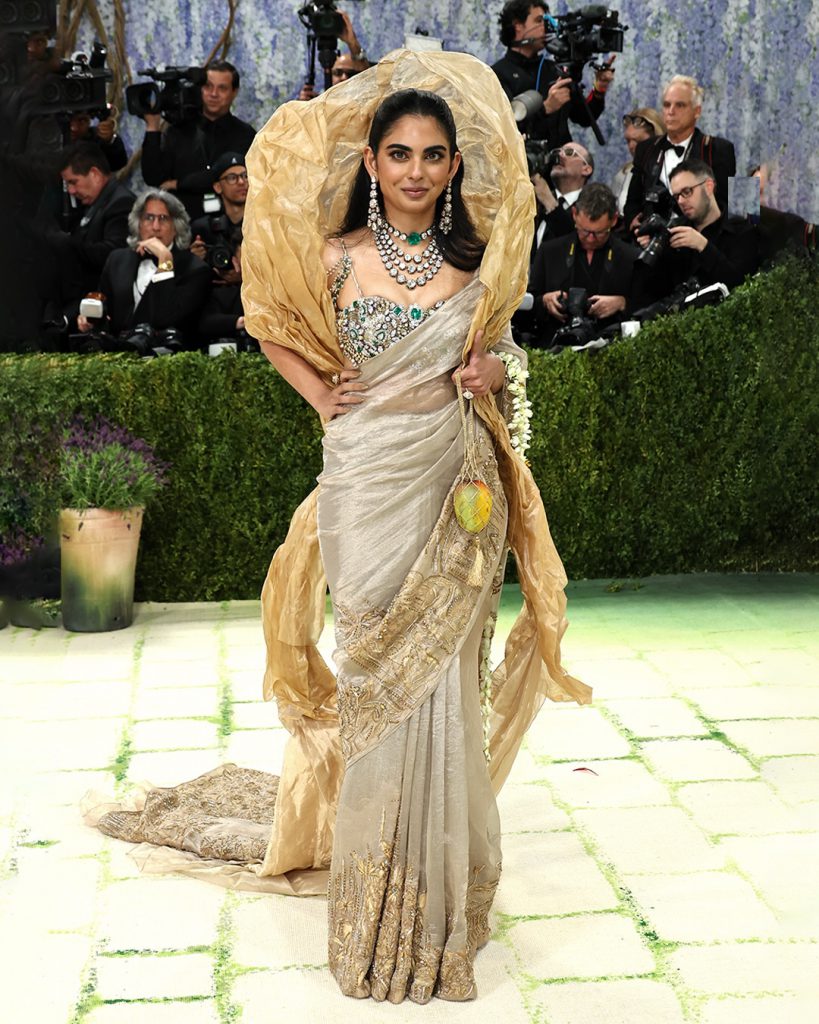
If there was one look that truly captured the spirit of the night, it was Isha Ambani.
Draped in a custom Gaurav Gupta saree, her outfit wasn’t just couture, it was heritage in motion.
Handcrafted over 1,200 hours by artisans, the look featured fresco-style detailing, sculptural draping, and over 1,800 carats of diamonds and gemstones. But what made it unforgettable?
A small, almost playful detail, mango carried in a sheer bag. In a room full of global luxury, Isha brought something deeper: India’s cultural memory, reimagined as high fashion.
Karan Johar

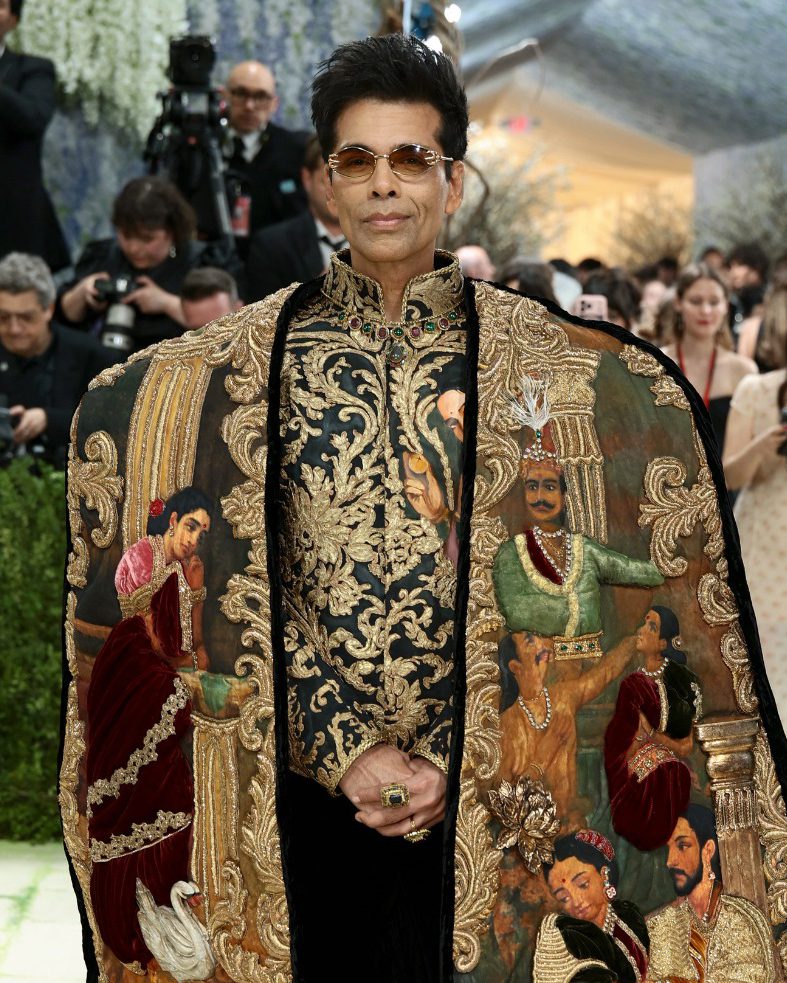
For Karan Johar, this wasn’t just a red carpet, it was a statement. Making his Met Gala debut in a Manish Malhotra creation, Johar’s look drew inspiration from the works of Raja Ravi Varma, blending cinema, heritage, and couture. It wasn’t loud. It was layered. A reminder that Indian storytelling doesn’t need spectacle, it thrives in detail and depth.
Manish Malhotra

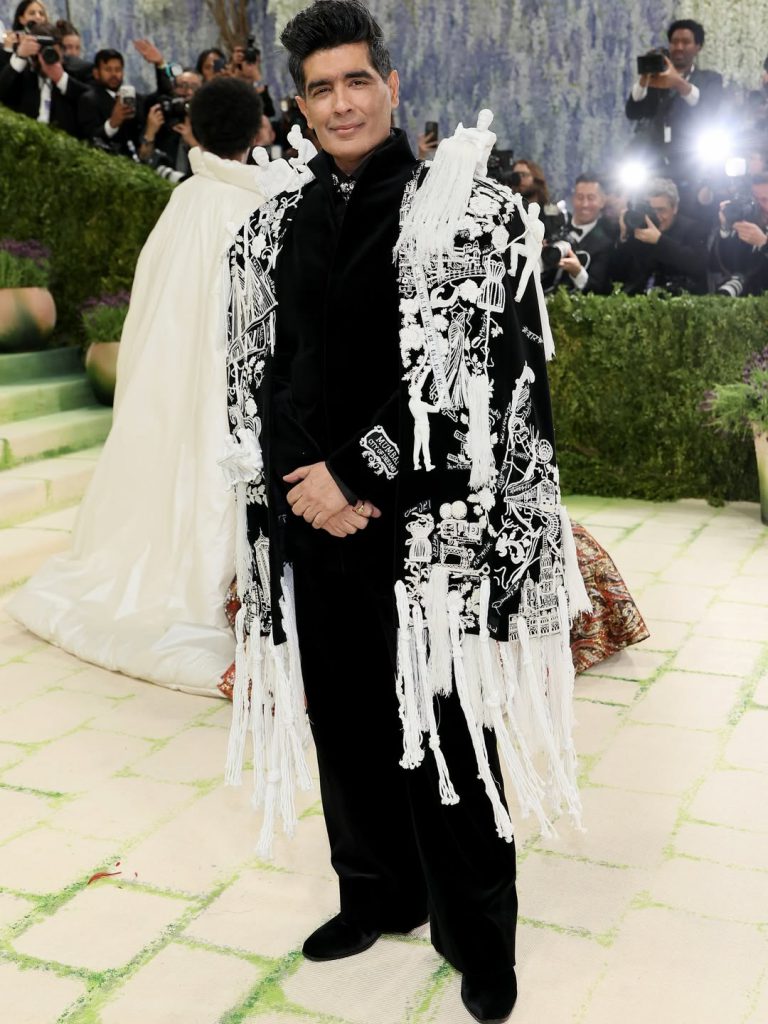
While others wore fashion, Manish Malhotra brought the process of fashion itself. His ensemble featured a cape embroidered with the names and signatures of his artisans, alongside intricate Indian techniques like zardozi, chikankari, and kasab work. This wasn’t just design. It was a tribute. To the hands behind the glamour, the ones the world rarely sees.
Natasha Poonawalla
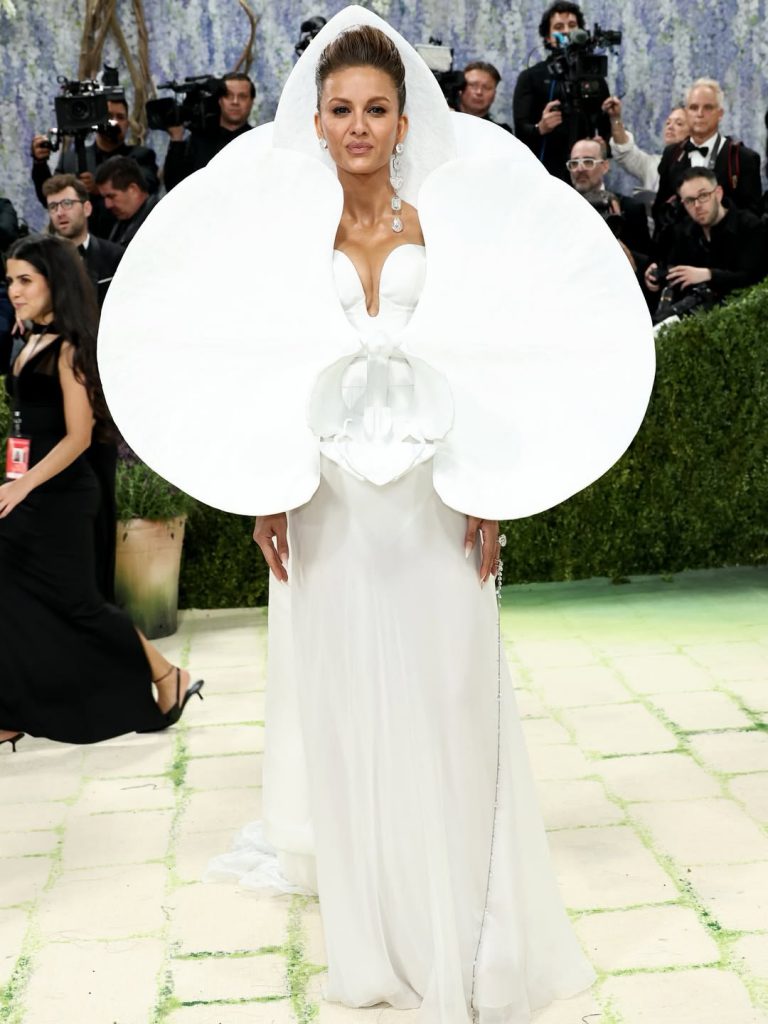
Known for her dramatic Met Gala appearances, Natasha Poonawalla didn’t hold back. Her look combined Dolce & Gabbana couture with a sculptural floral installation by Marc Quinn, an oversized petal-like structure that quite literally turned her into a living artwork. Where others wore outfits, Natasha wore concepts.
Sudha Reddy

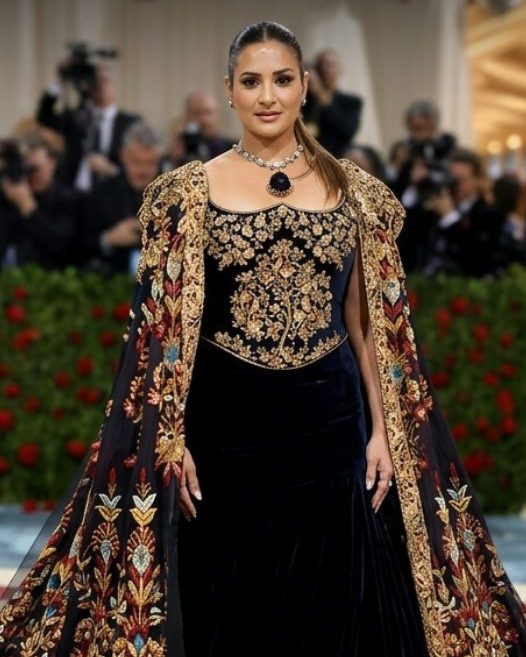
Her custom Manish Malhotra look, inspired by kalamkari traditions, was elevated by a 550-carat tanzanite necklace worth $15 million, one of the most talked-about pieces of the night. It wasn’t just opulence. It was power dressing at a global scale.
Ananya Birla
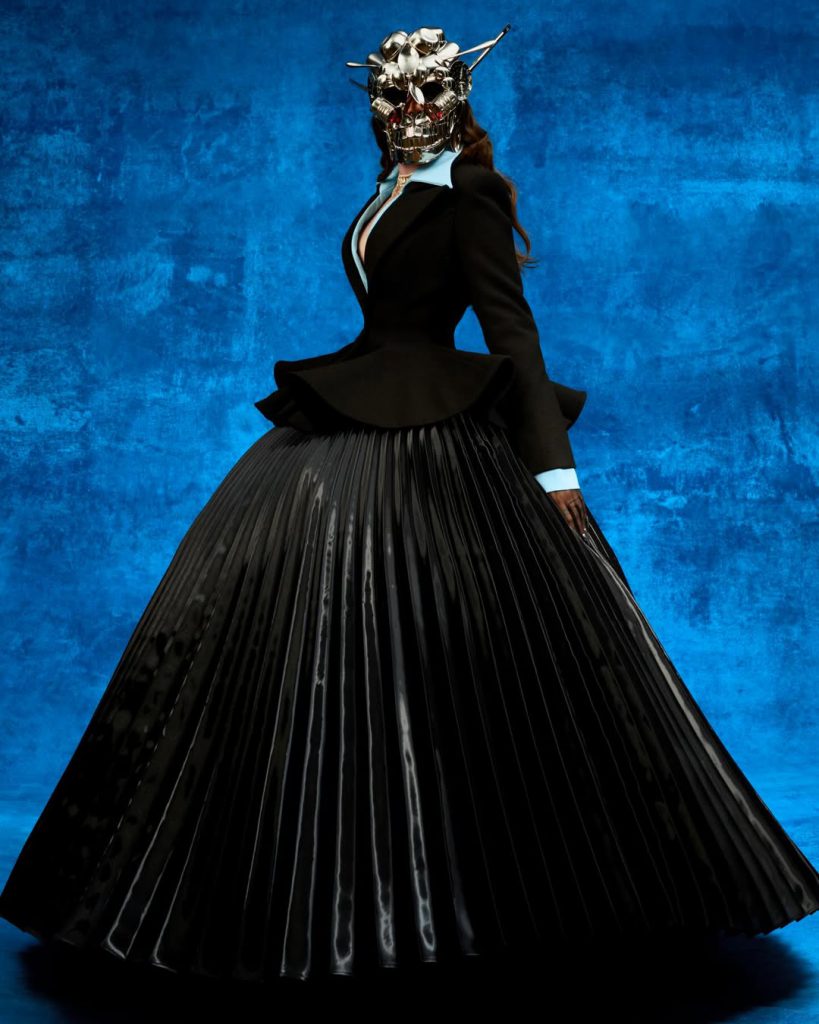
Ananya Birla took a different route. In a sharply tailored Robert Wun ensemble, paired with a sculptural mask, her look leaned into modern, almost dystopian art.
Less traditional.
More experimental.
Proof that Indian representation at the Met isn’t one-dimensional anymore.
Sawai Padmanabh Singh and Gauravi Kumari

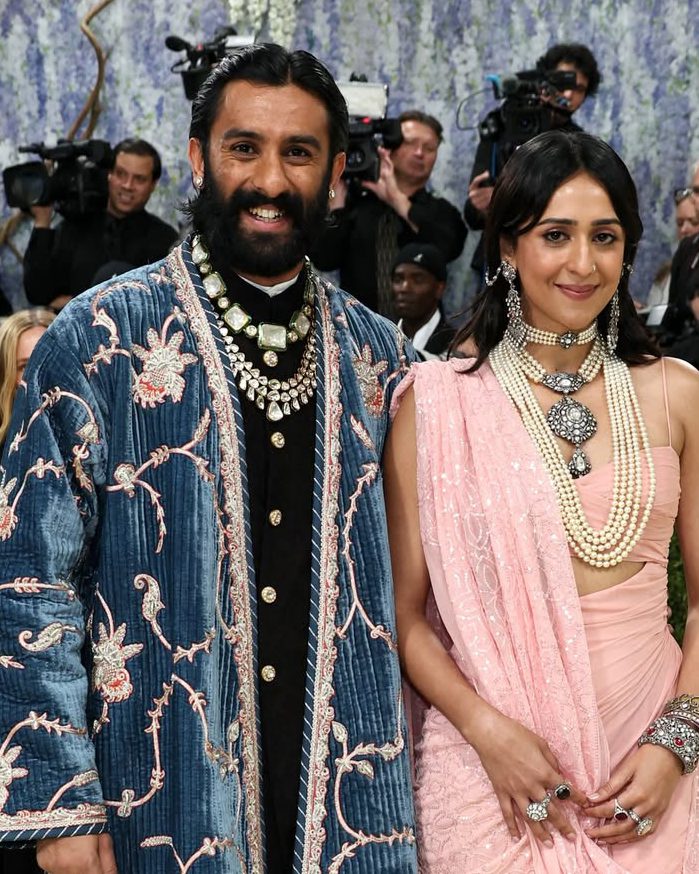
The presence of Sawai Padmanabh Singh and Gauravi Kumari brought regal elegance to the evening. Wearing Prabal Gurung, their looks reinterpreted royal dressing for a global audience, a balance of legacy and modernity.
Simone Ashley

British-Indian actor Simone Ashley represented the diaspora in a Stella McCartney chain dress; sleek, metallic, and rooted in the theme’s artistic interpretation. Her presence highlighted something important: Indian influence at the Met isn’t just geographical anymore.
It’s global and evolving.