
Entertainment
How Nomad Shubham Put a Small Village in Bihar on the Global Travel Map
From Bihar to the world, Nomad Shubham became India’s youngest global traveller through hitchhiking, courage and curiosity.

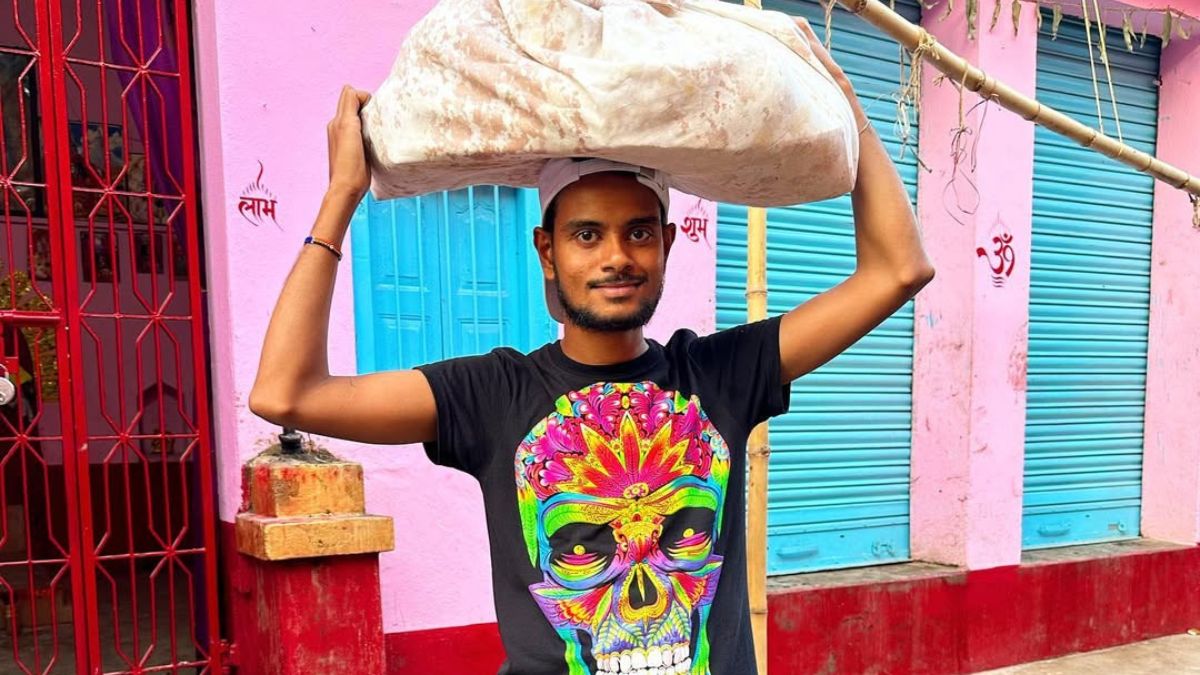
Nomad Shubham, whose real name is Shubham Kumar Panjyara, is a 22-year-old Indian travel creator and extreme traveller from the Munger district in Bihar. Widely known as the King of Hitchhiking, he is recognised as the youngest Indian to have visited every country in the world, largely by land, lifts, walking and human trust rather than flights or luxury travel. With over 3.9 million subscribers on YouTube, Shubham’s work stands apart for its raw, human storytelling. His videos are not about hotels, aesthetics or curated itineraries. They are about people, uncertainty, language barriers, kindness from strangers and learning cultures the hard way.
Early Life: Growing Up in Rural Bihar
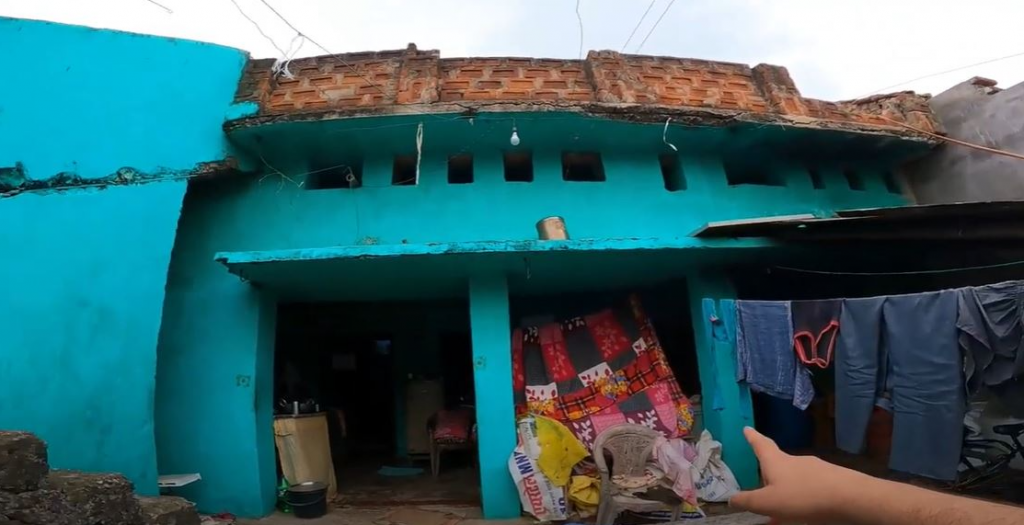
Born on 2 December 2002 in Makwa village, Munger, Shubham grew up in a financially modest household. His father, Satish Kumar Satti, is a retired teacher and farmer. The family also cultivates mangoes and tobacco, and life revolves around the land, seasons, and limited resources.
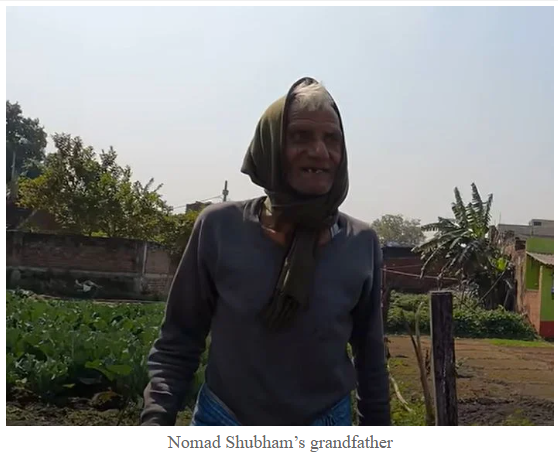
A strong influence on Shubham’s worldview was his grandfather, a freedom fighter, whose stories of resilience and sacrifice shaped his independent spirit early on.
He studied at KM Academy, Asarganj, and performed well academically, scoring in the 9.2th percentile in Class 10. Like many middle-class Indian students, he followed the expected route after Class 12 and moved to Kota to prepare for the IIT-JEE, chasing stability and security.
Also read: The Fearless Life of Amrutha Jayachandran includes Romancing the Waves & Conquering the Peaks
The Turning Point: Kota, YouTube and a TEDx Video
Life in Kota was intense and mechanical. During breaks, Shubham began watching random travel videos on YouTube. One TEDx talk, “How to Travel the World With Almost No Money” by Tomislav Perko, changed everything. He watched it repeatedly and became fascinated by hitchhiking and Couchsurfing.
The idea that travel did not require money, only courage and adaptability, stayed with him. He began travelling within India quietly, often without informing his parents.
Just six months into coaching, Shubham dropped out of IIT preparation altogether. It was a decisive break from predictability. He chose uncertainty.
First International Leap: Russia at 16
In August 2018, at just 16 years old, Shubham made his first international trip to Russia. He travelled to Moscow, visited Red Square, stayed near the largest ISKON temple, camped overnight by the Barents Sea, and tried horse meat for the first time.

From Russia, he travelled through Kazakhstan and parts of Central Asia. That journey changed his understanding of borders, people and survival.
In September 2019, he officially launched his YouTube channel, Nomad Shubham, recording his first vlog in China and uploading it from Mongolia. He chose to speak mostly in Hindi, keeping his tone simple, conversational and honest.
Life on the Road: Extreme Travel by Choice
Shubham does not travel as a tourist. He travels as a participant in daily life.
Over the years, he has:
- Hitchhiked 50,000+ kms
- Visited over 170+ countries
- Travelled on an average budget of Rs 500 a day
- Slept on roadsides, gas stations, fire stations and police stations
- Camped in the Arctic Circle
- Walked across parts of the Gobi Desert with limited water
- Hitchhiked across Siberia and the Pamir Highway in temperatures as low as -43°C
- Reached Oymyakon, the coldest inhabited place on Earth, where temperatures fell below -60°C
In Oymyakon, he recalls being dropped by a trucker at 2 am, cold, confused and numb, calling out for help until a stranger let him in for the night.
Dangerous Encounters and Survival
Shubham’s journey has been physically and mentally risky.
- He was detained multiple times in China for being “suspicious”
- He spent nights at police stations across countries.
- He was detained for eight hours by Afghan military forces in Taliban-controlled areas and asked to leave the country.
- He narrowly escaped frostbite while changing a tyre in sub-zero Yakutia.
- He openly acknowledged harassment in Thailand and stated that being a man gives him safety privileges that many women travellers do not have.
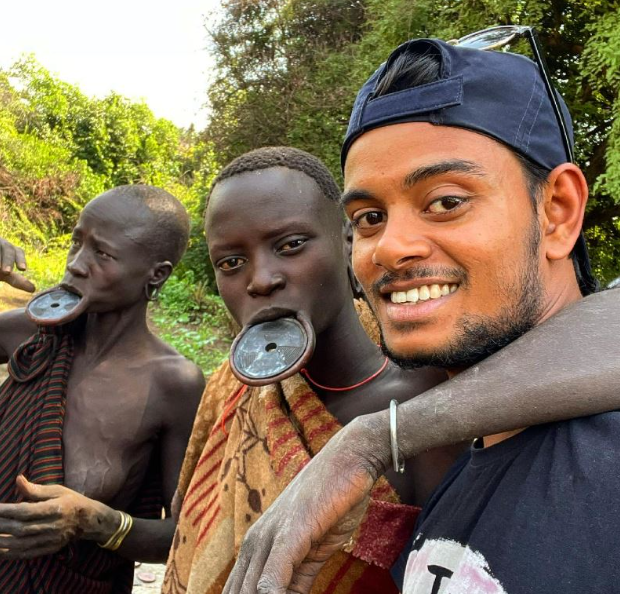
Despite repeated warnings, he continued choosing offbeat, lesser-known routes.
Languages, Cultures and Human Connection
Shubham is fluent in Hindi, English, Bhojpuri, Maithili, Urdu, Arabic, German, Persian (Farsi), Russian and Tajik. Most of these languages were learnt organically on the road.
His videos focus on people rather than places. He regularly interacts with vendors, truck drivers, fellow travellers, villagers, policemen and strangers, often using Google Translate, gestures and patience.
One of his widely shared videos compared general class train travel in India and China, sparking conversations around infrastructure, dignity and public transport culture.
How He TravelLed on ₹500 a Day
Shubham’s travels are not funded by luxury sponsorships. Over the years, he has supported himself through:
- Online tuition and Skype classes
- Hostel reviews
- Volunteering via Worldpackers
- Couchsurfing
- Booking referrals
- YouTube monetisation
- Part-time work while stranded during COVID
In one year, his total travel expense was approximately Rs 1.6 lakh, including visas, food and transport.
He cuts costs by:
- Hitchhiking instead of flying
- Staying with locals
- Camping and self-cooking
- Avoiding tourist-heavy attractions
Content Style and Influence
Shubham avoids cinematic edits and polished storytelling. His videos are handheld, spontaneous and conversational, often filmed on basic equipment.
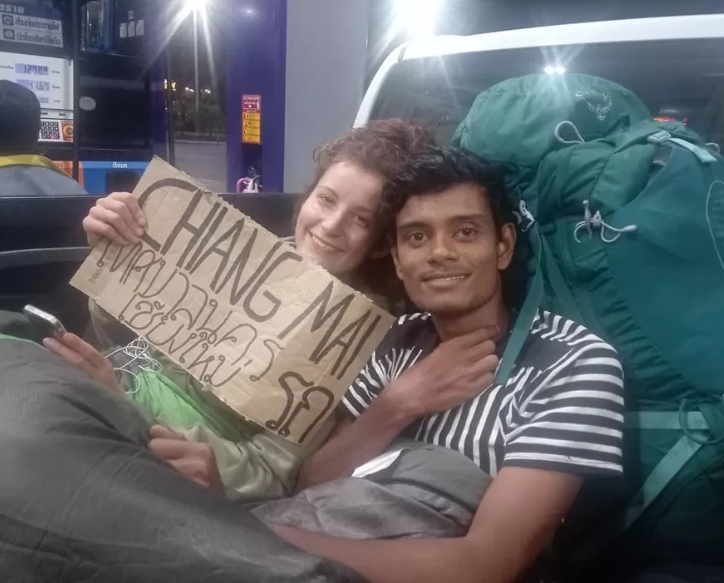
By speaking in Hindi and regional languages, he has connected deeply with Indian audiences, especially young viewers from small towns. His work has been followed and appreciated by global platforms and even senior Indian public figures.
For many Indians without privilege, he represents the idea that the world is still accessible.
Personal Life and Values
Despite global recognition, Shubham continues to live with his family in a small house in his village in Bihar. He remains unmarried and deeply attached to his roots.
He enjoys:
- Bollywood and Bhojpuri music
- Reading Munshi Premchand
- Cooking, chess and spending time with animals
He once planned to pursue higher studies in Germany, but dropped the idea due to financial constraints.
Why Nomad Shubham’s Story is Worth Knowing?
From sleeping on frozen Russian highways to staying with truck drivers, soldiers, mayors and villagers, Shubham’s journey challenges the idea that global travel is reserved for the privileged.
From Munger to the world, his story demonstrates that curiosity, trust and courage can take an Indian teenager farther than money ever could.
His life remains raw, risky and refreshingly real.

Ankush Bahuguna Brings His Signature Style to Lakmē Fashion Week Grand Finale

Madhuri Dixit Hosts Marathi KBC: Why Regional Content Is a Growth Opportunity for Brands

How Swiggy Instamart Turned a Viral Influencer’s COD Nightmare Into a Marketing Win

Meet Nishant Kerketta: The Jharkhand Farmer Turning His Village Into a Fashion Runway

Who Is Yung DSA? The Pune Rapper Who Went From a BPO Job to Bigg Boss 20

Niharika Tiwari Takes Charge in Rise & Fall 2, Eliminates Shehzad Poonawalla and Irina Rudakova

Sania Mistry Deepfake Case: Maharashtra Cyber Acts Against AI-Manipulated Images

YouTube’s Gunjan Soni Says India’s Creator Economy Is Evolving Into a Global Media Powerhouse

Navratri Outfit Inspiration: Creators Who Understood the Festive Assignment

Rowhi Rai Buys Her Own House: How Northeast India’s Creators Are Building Their Own Success Stories

Food Pharmer’s Cannes Look That Never Walked

Parul Gulati Wears Nish Hair on the Cannes 2025 Red Carpet

Nancy Tyagi’s 700-Hour DIY Gown Turns Heads at Cannes 2025

Navya Nanda’s IIM Ahmedabad Triumph: From Controversy to Campus Joy

Influencer Kareema’s Heartwarming Journey with Suki

Prajakta Koli and Vrishank Khanal’s Wedding

Prajakta Koli’s Haldi and Cocktail Celebrations

Prajakta Koli and Vrishank Khanal’s Pre-Wedding Celebrations

Prajakta Koli x Vrishank Khanal Magical Mehendi

Milind Soman & Ankita’s Maha Kumbh 2025 Experience

YouTube Shorts Changes Repost Rules: What Creators Need To Know About Original Content

YouTube Is Letting Creators See What Works for Their Competitors

Adam Mosseri Reveals Instagram Trial Reels Rule That Could Limit Your Reach

What Is Meta’s New “Muse” AI And Why Are Users Seeing It?

Roopali Agrawal aka Rockonroops Turning Family Life Into Conversations On Fashion, Freedom And Safety

Technical Guruji’s iPhone 18 Pro Max Giveaway: Nearly 100 Phones And A Big Question About The Cost

Eloelo Launches Dolphin AI: Will AI Video Tools Change The Future Of Creators And Filmmakers?

Is Orry Getting Married? Close Friends Story Sparks Questions As His Past Wedding Rumours Resurface

Why Is MrBeast Back in India? Is His India Connect Getting Bigger in 2026?
