

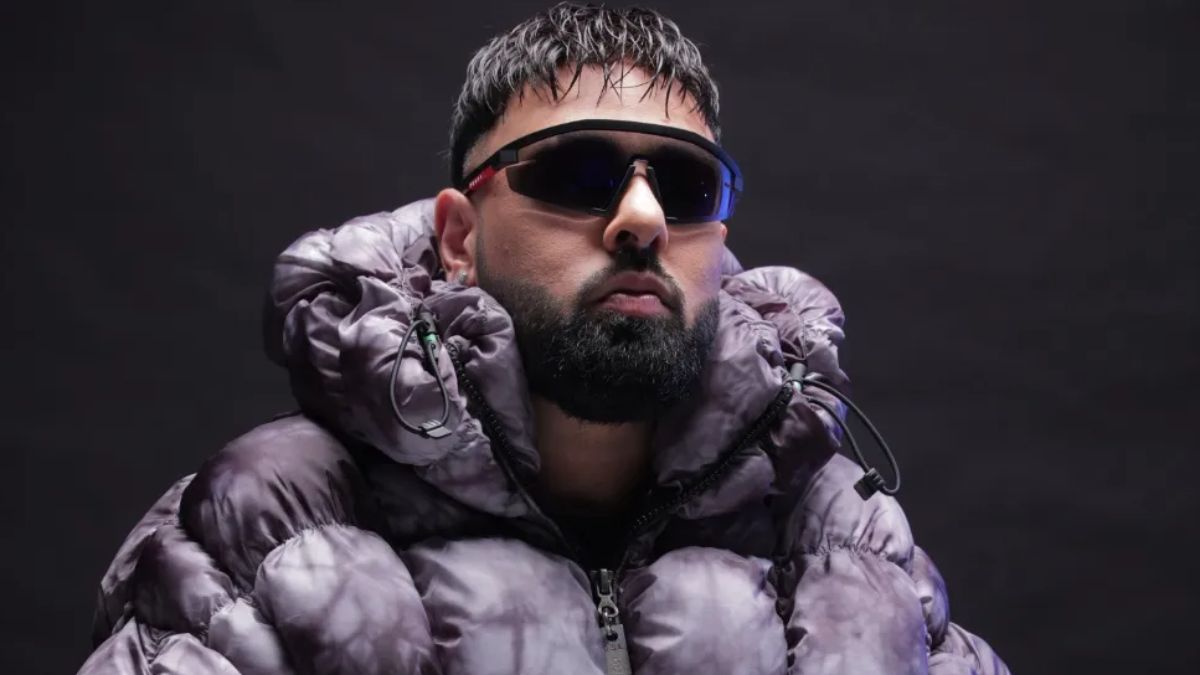
There was a time when rap in India meant imitating the West. Then came Badshah, originally Aditya Prateek Singh Sisodia and suddenly the beat had a desi spine. The Delhi-born rapper did not just chase global sounds. He folded India into them. His songs speak to Gen-Z in metros and still feel familiar in tier-2 towns and gaon ki galiyan.
Is this accidental or designed?
1. “Paani Paani” – Rajasthan in a Pop-Rap Frame
When “Paani Paani” was released in 2021 with Aastha Gill and Jacqueline Fernandez, it did not just top charts. It reshaped how commercial pop could borrow from folklore.
The track features the traditional Rajasthani string instrument rawanhatta, a sound rarely heard in mainstream pop. The music video, shot in Jaisalmer’s golden dunes, highlighted Kalbeliya folk dance, known for its fluid, snake-like movements.
This was not surface-level costume folklore. The instrumentation itself carried the desert’s texture.
Badshah blended:
- Rawanhatta strings
- Kalbeliya visual language
- Rajasthani attire and desert setting
- A modern pop-rap structure
The result was a pan-India anthem. It dominated YouTube, topped digital charts and crossed hundreds of millions of views, becoming a summer staple across metros and small towns alike.
What made it click with Gen-Z?
It felt aspirational yet rooted. Instagram reels loved the hook. Villages recognised the sound. Urban audiences embraced the aesthetic.
2. “Baawla” – Haryana Swagger, Commercial Firepower
“Baawla” (2021), featuring Uchana Amit and Samreen Kaur, leaned into Haryanvi pop-rap energy. It was not traditional folklore, but it carried regional slang and swagger.
Lines like:
“Are kyu pade ho chakkar mein, koi nahi hai takkar mein!”
echoed across wedding playlists, DJ nights and local melas.
The track fused:
- Haryanvi phrasing
- Desi rhythm patterns
- Commercial hip-hop production
- Boastful, mafia-style confidence
This was Haryana packaged for the national stage.
While it celebrated private jets and larger-than-life confidence, it never abandoned its regional cadence. For tier-2 and tier-3 audiences, it felt like representation. For metros, it felt edgy and authentic.
That duality is where Badshah thrived.
3. “Genda Phool” – Bengali Baul Meets Urban Pop
If “Paani Paani” was aesthetic, “Genda Phool” was cultural thunder.
The chorus of the 2020 hit borrowed from the Bengali folk song “Boroloker Biti Lo”, originally penned in 1972 by Ratan Kahar from West Bengal’s Bhadu folk tradition.
Musically, how the experiment worked.
He took:
- Baul-inspired melody
- Rural Bengali lyrics
- Traditional rhythmic structure
And layered it over:
- Urban pop beats
- High-production visuals
- Jacqueline Fernandez-led glamour
“Genda Phool” became one of the biggest Indian songs of its year, breaking streaming records and earning the tag “Anthem of the Year.”
For Gen-Z, it was cool. For Bengal, it was familiar. For the rest of India, it was catchy. That’s reach right there.
4. “Delhi Se Manali” – Mountains, Modern Mood
“Delhi Se Manali” is not a typical Himachali folklore. It is modern commercial rap. But it carries pahadi vibes deliberately. With references to Rajma-Chawal, mountain lifestyle and hill culture, Badshah positioned himself alongside pahadi artists and openly celebrated mountain sound. Rather than appropriating, he framed it as pride. As standing with regional voices. The track did not pretend to be an ancient tradition. It was a contemporary tribute, blending travel, hills and lifestyle with mainstream rap energy.
Gen-Z Meets Regional Pride
India’s youngest audience hasn’t rejected culture. They’ve rejected boring packaging. Gen-Z doesn’t want lectures about tradition. They want to feel it. Own it. Remix it. Flaunt it. Badshah understood that early and his music gives young listeners identity without sounding outdated. A global beat without losing the local tongue. One moment you’re hearing the rawanhatta from Rajasthan, the next second trap drums kick in. It feels seamless, not forced. That’s why his songs don’t stay inside cities.
They move from Tier-1 nightclubs to Tier-2 wedding lawns to Tier-3 DJ setups to village festival stages.
The same track that trends on Instagram reels is blasting from a baraat speaker in a small town. That hybrid sound, desi heart with international polish, is India’s new pop language, designed by Badshah.
The Numbers, The Scale, The Machine
Badshah isn’t just a rapper riding waves. He built an empire.
Born Aditya Prateek Singh Sisodia in Delhi, he studied civil engineering at Punjab Engineering College before choosing music over a conventional career. He adopted the name “Badshah” from Shah Rukh Khan’s 1999 film Baadshah and the title stuck because he built the throne himself.
“DJ Waley Babu” shot to number one on iTunes within 24 hours. Bollywood hits followed across Kapoor & Sons, Humpty Sharma Ki Dulhania and Ae Dil Hai Mushkil. Tracks like “Genda Phool,” “Paani Paani,” “Baawla,” and “Paagal” dominated charts and streaming platforms, crossing hundreds of millions of views.
Badshah’s positioning globally.
He is set to participate in the 2026 NBA All-Star Celebrity Game in Los Angeles. If he carries Rajasthani strings or Bengali folk, they hook onto international platforms, it can multiply.
Folklore in the Age of Reels
There is always a fear that traditional sounds will fade. That the rawanhatta will be forgotten, that Baul melodies will remain locked in archives, that Haryanvi slang will never cross state lines. In an industry obsessed with fast beats and global templates, regional instruments often get treated like museum pieces.
Badshah does the opposite. He digitises them. He does not frame folklore behind glass; he streams it. On YouTube. On Spotify. On reels. On massive stages. He merges it with trap drums, club basslines and polished visuals that Gen-Z instantly connects with, without stripping away its regional core.


