
Entertainment
Raj Shamani Takes Gen-Z’s Case to the World: Why He Told Global Leaders the System, Not Youth, Is Failing
At Dubai’s World Government Summit, Raj Shamani challenged world leaders to rethink how Gen-Z works, trusts and leads.

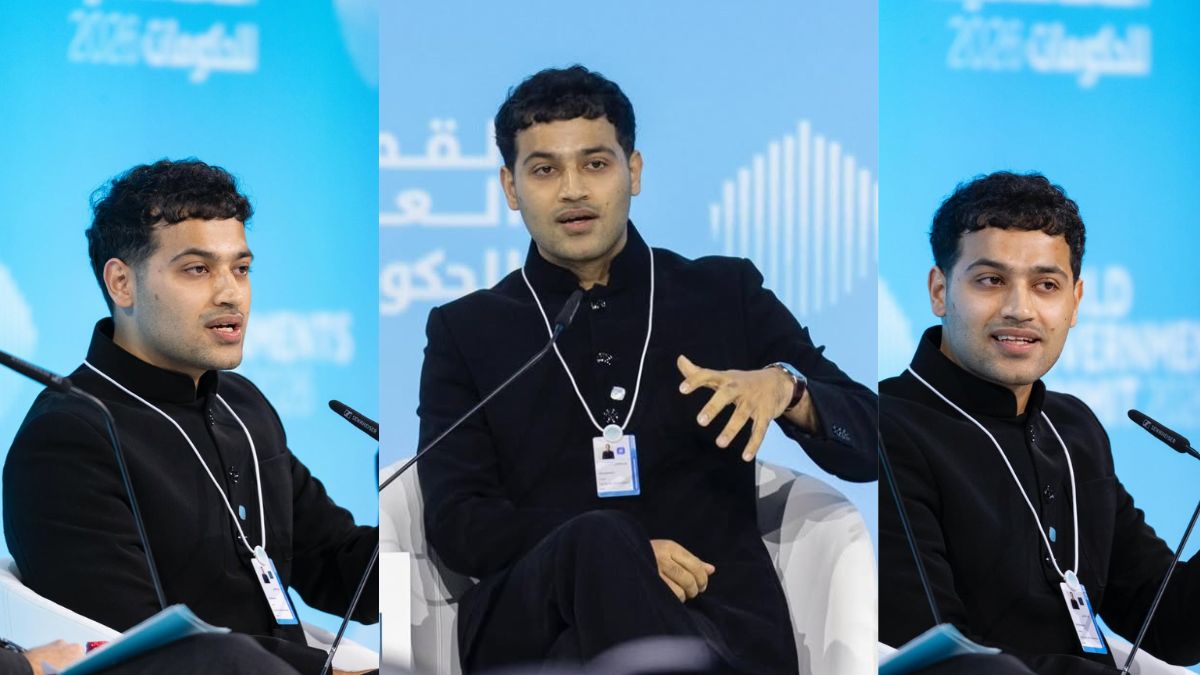
When Raj Shamani walked into the halls of the World Government Summit in Dubai on Feb 3, 2026, he knew the room carried weight. Prime ministers, presidents, policymakers, and decision-makers from 46 countries were present. These were people who shape laws, economies, and futures. But instead of choosing safe applause lines, Shamani chose honesty. Representing India on a global stage, he spoke about a growing disconnect that many young people feel but rarely get to articulate in rooms of power. His message was direct and emotionally grounded: global leadership is failing to understand Gen-Z.
“Gen-Z Isn’t Lazy. We’re Allergic to Meaningless Work”
Raj Shamani pushed back against one of the most common labels attached to young people today. He said Gen-Z is not lazy, distracted, or entitled. What they reject is work that demands obedience without purpose.
According to him, this generation does not fear effort. It fears stagnation. Gen-Z has grown up watching burnout become normal, loyalty go unrewarded, and hierarchy valued more than real progress. In that environment, questioning outdated systems is not rebellion; it is survival.
He told the audience that young people want to build big things, just not in old ways. Flexibility, honesty, ownership, and meaning matter more than titles. When institutions fail to offer that, trust erodes quietly.
Also read: Ashish Chanchlani Unfiltered: Everything He Revealed About Fame, Failure, Heartbreak and Bollywood
Calling Out the Trust Gap
One of the strongest ideas Shamani raised was the presence of a “trust gap” between institutions and young professionals. He said organisations are evolving far more slowly than Gen-Z itself.
Middle-management roles, he explained, often come with mounting responsibility but shrinking rewards and fragile job security. This discourages young professionals from aspiring to leadership, not because they lack ambition, but because the risk feels disproportionate to the return.
He also challenged stereotypes around job-hopping. According to Shamani, people have always changed jobs. What has changed is visibility. Social media and digital platforms have simply made these transitions more public.
Beyond Money and Job Titles
Contrary to popular belief, Shamani said many young people today care less about money than previous generations. What they value instead is learning, skill-building, and autonomy. Many invest time in educating themselves beyond formal roles, often without recognition from employers.
He argued that Gen-Z is deeply engaged, not disengaged. They care too much to settle for systems that feel hollow.
Speaking Truth to Power
Disagreeing in rooms filled with authority is not easy, and Shamani acknowledged that. It takes courage to look at people with power and suggest that the problem may not be the next generation, but the structures built by earlier ones that have failed to evolve.
For him, the moment was not about personal visibility. It was about responsibility. Representing India, he felt it was important that young voices were not just discussed, but actually heard.
A Global Stage, A Shared Conversation
The summit featured global figures including Hamdan bin Mohammed bin Rashid Al Maktoum, investor Ray Dalio, and venture capitalist Chamath Palihapitiya, underscoring the scale and seriousness of the platform.
Raj Shamani thanked the summit for creating space to discuss the future of better societies, noting that if the future belongs to the young, the present must start listening.
The Signal, Not the Problem
His closing thought carried emotional weight. Gen-Z, he said, is not the problem global leadership needs to fix. It is the signal leaders need to pay attention to.
In rooms where young people are often spoken about but rarely spoken to, Raj Shamani ensured that India’s youth were heard clearly. And his message was simple yet uncomfortable: the future is already here, and leadership must evolve to meet it.

India’s ‘New TV’: How YouTube Is Quietly Rewriting the Rules of Premium Content

MrBeast Buys Teen Finance App Step: Why This Is a Big Bet on Gen-Z’s Money Future

Samay Raina, Archana Puran Singh and the Family Reels That Are Rocking the Internet

Vaibhav Sooryavanshi: India’s 14-Year-Old Batting Prodigy the World Can’t Stop Watching

Raj Shamani Takes Gen-Z’s Case to the World: Why He Told Global Leaders the System, Not Youth, Is Failing

How Indian Creators Are Quietly Taking Over Netflix Originals

Should you be worried about Moltbook, The Social Network Built Only for AI Agents?

Women Fitness Creators: India’s True Game-Changers

Ashish Chanchlani Unfiltered: Everything He Revealed About Fame, Failure, Heartbreak and Bollywood

Did Elvish Yadav Really Get Engaged to Jiya Shankar? Or is it a Promo Stunt?

Food Pharmer’s Cannes Look That Never Walked

Parul Gulati Wears Nish Hair on the Cannes 2025 Red Carpet

Nancy Tyagi’s 700-Hour DIY Gown Turns Heads at Cannes 2025

Navya Nanda’s IIM Ahmedabad Triumph: From Controversy to Campus Joy

Influencer Kareema’s Heartwarming Journey with Suki

Prajakta Koli and Vrishank Khanal’s Wedding

Prajakta Koli’s Haldi and Cocktail Celebrations

Prajakta Koli and Vrishank Khanal’s Pre-Wedding Celebrations

Prajakta Koli x Vrishank Khanal Magical Mehendi

Milind Soman & Ankita’s Maha Kumbh 2025 Experience

Top Indian Creators Who Turned Content into Companies

Deeksha Gulati’s Viral Live: Breakup Claims, Backlash And Apology

Ekaki Hits 100 Mn Views: Ashish Chanchlani’s Directorial Debut Is A Digital Blockbuster

TahirFuego, The Shotgun King of Indian Free Fire, Dies at 24

Meta Expands AI Reel Translations in Indian Languages: Regional Creators Rejoice

Prathamesh Kadam Dies at 26: Comedy Creator’s Sudden Passing Shocks Creator Community

Fauji Wives 2.0: How Army Spouses Are Turning Sarkari Ghar Life Into Digital Careers

6 Indian Micro Couple Creators Making Everyday Life Watchable

Indian Army Day Special: 6 Creators Taking Military Stories Beyond the Barracks
