
Health
Archana Puran Singh Opens Up About Her Battle With Depression: “Don’t Give Up On Yourself”

Can Successful People Also Struggle With Depression?
Actor and television personality Archana Puran Singh recently spoke candidly about her past struggles with depression, revealing that even during one of the most successful phases of her career, she was quietly battling emotional challenges.
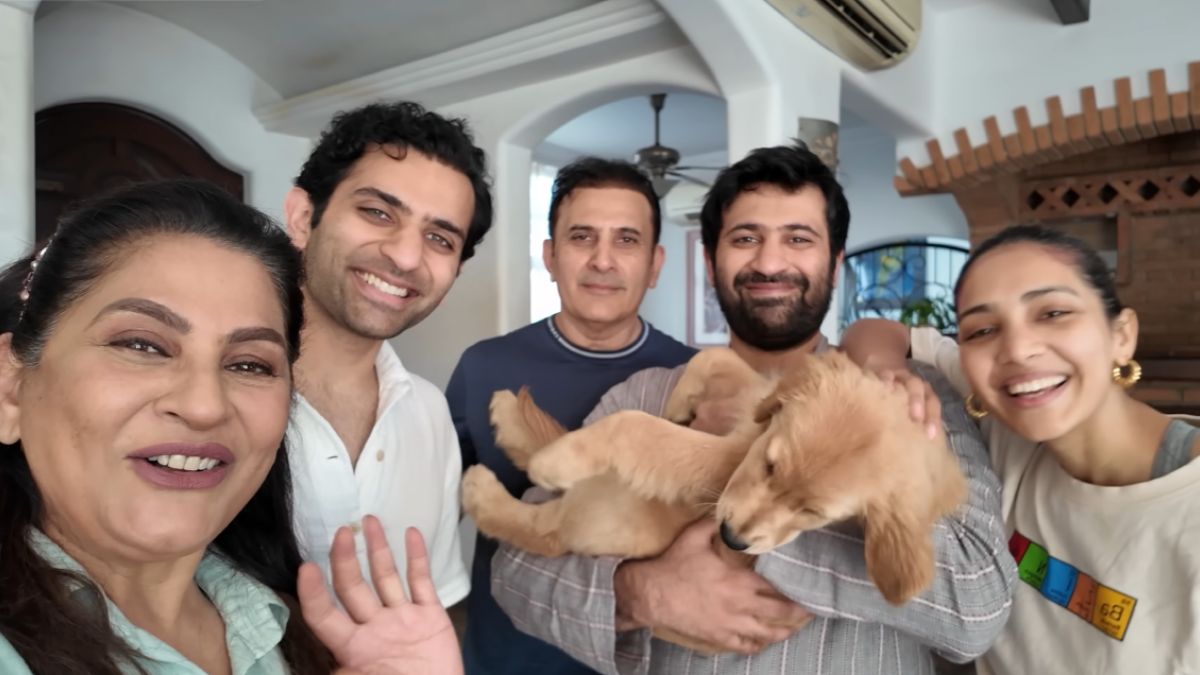
The revelation came during a vlog conversation with her sons, Aaryamann and Ayushmaan, where the family discussed life experiences, mental health struggles, and the pressures people often hide behind a smiling face.
During the conversation, Archana opened up about a deeply difficult phase she experienced during the time she was working on the popular comedy show Comedy Circus.
What Did Archana Puran Singh Reveal in Her Conversation With Her Sons?
The vlog featured an honest discussion about Aaryamann’s journey and personal challenges, which gradually led to a broader conversation about mental health.
As the conversation unfolded, Archana shared that she could relate to the emotional struggles being discussed because she herself had faced a period where she felt completely hopeless.
She explained that people often assume that financial success or fame automatically brings happiness. According to her, that assumption is far from reality.
How Did Archana Cope With Depression During Her Comedy Circus Days?
Archana revealed that while she was appearing on Comedy Circus, a show known for its laughter and entertainment, she was personally going through a difficult mental phase.
Despite sitting on the judge’s chair and laughing along with the performers, she admitted that internally she felt deeply troubled.
She recalled a time when she felt there was no point in living and believed she might never be able to smile again.
Her experience highlights the contrast many people face between public appearances and private emotional battles.
What Did Archana Mean When She Said “I Have Also Gone Through Such Times”?
While reflecting on that period, Archana shared that the feeling of hopelessness was intense.
She described how people often think celebrities live perfect lives, but emotional struggles do not spare anyone.
According to Archana, the important thing she eventually realised was that bad phases do pass with time, even if it does not feel that way in the moment.
Her message to viewers was clear: difficult periods may feel endless, but they are not permanent.
Why Does Archana Say ‘Don’t Give Up On Yourself’?
One of the most powerful parts of the conversation came when Archana offered a heartfelt message to those dealing with emotional struggles.
She urged people not to give up on themselves, even if the world around them seems to lose faith.
According to her, self-belief is the most important anchor during difficult moments.
She explained that while people may experience rejection, criticism or loneliness, holding onto hope and self-worth can eventually help them move forward.
Is Happiness Really Connected to Money and Success?
Archana’s son Aaryamann also shared his perspective during the discussion, expanding on the misconception that wealth automatically guarantees happiness.
He pointed out that every person carries struggles that are not visible from the outside.
Even individuals who appear successful, powerful or wealthy may be dealing with emotional challenges privately.
To illustrate his point, he referenced global figures such as Elon Musk, suggesting that financial success does not necessarily translate into emotional fulfilment.
Why Do People With Fame and Wealth Still Struggle With Mental Health?
Aaryamann also mentioned examples from Hollywood relationships, noting that even some of the richest and most famous couples face divorces and personal struggles.
According to him, these examples show that happiness cannot be measured purely through money or public success.
While financial stability can solve practical problems and provide comfort, it cannot guarantee emotional peace.
His reflections added another layer to the conversation, reinforcing the idea that mental health challenges can affect anyone, regardless of status or wealth.

ICC Men’s T20 World Cup 2026: How Brands and Creators Rewrote the Playbook for Digital Dominance

Archana Puran Singh Opens Up About Her Battle With Depression: “Don’t Give Up On Yourself”

YouTuber Anurag Dobhal Battles Pneumonia After Health Decline During Ambulance Transfer

Neel Salekar, Yashashree Rao Team Up for Marathi Music Video ‘Ved Lavla’

Nancy Tyagi Launches ‘Nancy Tyagi Custom’: New Series Designing Dream Outfits for Followers

Facebook Introduces New Tools to Help Creators Report Impersonators and Protect Original Content

Sahiba Bali’s YouTube series ‘Journey to Jersey’ Brings Untold Stories Behind India’s Sporting Heroes

How Danny Pandit Turned Desi Characters Into a Social Media Phenomenon

Neha Thakur – India’s Viral ‘Truck Girl’

The Real Story of Arun Kumar, India’s Internet ‘Laughing Meme Boy’

Food Pharmer’s Cannes Look That Never Walked

Parul Gulati Wears Nish Hair on the Cannes 2025 Red Carpet

Nancy Tyagi’s 700-Hour DIY Gown Turns Heads at Cannes 2025

Navya Nanda’s IIM Ahmedabad Triumph: From Controversy to Campus Joy

Influencer Kareema’s Heartwarming Journey with Suki

Prajakta Koli and Vrishank Khanal’s Wedding

Prajakta Koli’s Haldi and Cocktail Celebrations

Prajakta Koli and Vrishank Khanal’s Pre-Wedding Celebrations

Prajakta Koli x Vrishank Khanal Magical Mehendi

Milind Soman & Ankita’s Maha Kumbh 2025 Experience

Update: UK07 Rider Breaks Silence in an Emotional ‘Last Vlog’, Blames Family Conflict for Mental Distress

Holi Around the World: How 5 Creators Turned Tradition into Viral Colour Stories

Anurag Dobhal Says He Is Facing Mental Harassment: Shares Concerning Note With Followers

Maharashtra Influencer Arun Tupe Found Dead on March 10 at Home in Chhatrapati Sambhajinagar

How Niranjan Mondal Is Turning Bengali Reels into Mainstream Storytelling

Vividh, The Kurta Guy Gets Hitched

India’s DJ Creators Turning Drops, Mashups and Reels Into Mainstage Moments and Content

One Internet Demand: Dhruv Rathee Goes Unfiltered on Learn by KK Create with Kavya

Creators Who Turned IND vs PAK Match Moments Into Viral Entertainment
