
Travel
Indian Vlogger Tamil Trekker Shares Strange 4-Day Experience in North Korea: ‘No Locals Spoke’
Tamil Trekker Bhuvani Dharan visited North Korea post-pandemic as part of a rare tourist group, uncovering silent streets, staged smiles, and eerie routines.

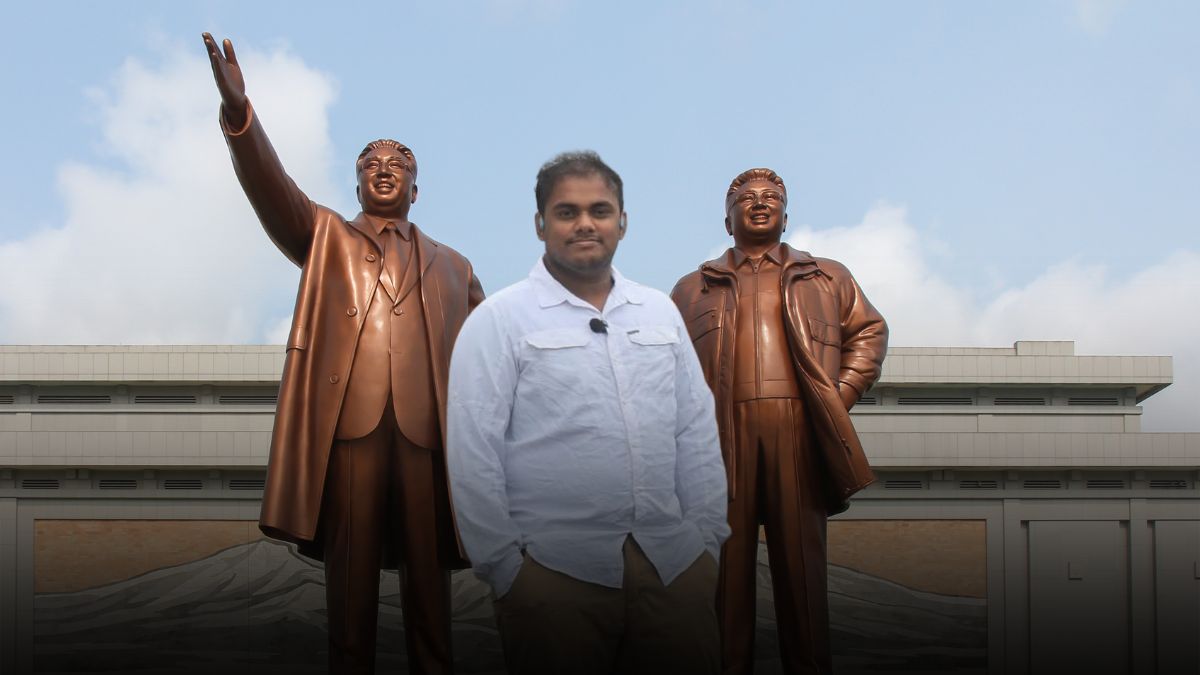
Thanjavur-based travel vlogger Bhuvani Dharan, popularly known as @TamilTrekkerOfficial, stepped into North Korea; he knew it wasn’t going to be a normal holiday. What he didn’t expect was to feel like a part of a scripted film set, where every smile, every conversation, and every sight felt rehearsed. Dharan was among 22 tourists and influencers who entered the Democratic People’s Republic of Korea (DPRK). The four-day visit made history as it brought in the first group of foreigners after a five-year tourism ban triggered by the COVID-19 pandemic. Just a few days after the visit, North Korea shut its borders again, making Dharan one of the first and last outsiders to visit in years.
Strict Rules Even Before Entering
Officials gave Dharan and the group a list of dos and don’ts before they entered. Here are a few chilling examples:
- Don’t go anywhere alone.
- Don’t film anyone working hard.
- Always refer to Kim Jong Un as ‘Captain’ or ‘Marshall’.
Even calling the country “North Korea” was frowned upon; they were instructed to use the full name: Democratic People’s Republic of Korea.
Indian to China to North Korea
Due to the lack of commercial airports in DPRK, the group had to first fly into Yanji, China, with multi-entry Chinese visas in hand. From there, they underwent a two-hour security check before boarding a bus that took them to Rason, a northeastern city in North Korea, where they would spend the next four days.
Total Surveillance, Zero Freedom
As soon as they entered, the group was placed under constant watch.
Military personnel checked every item, particularly electronic devices. GPS units, religious books, and adult content were strictly banned. Dharan recalled, “We had to list every gadget we were carrying. They checked twice.”
They were accompanied by two government-approved guides who spoke fluent English and were always present.
Also Read: Neighbour Nepal’s Social Media Bill: Free Speech or Government Control?
Curated Stops, Staged Smiles
Their first stop wasn’t even the hotel—it was a mineral water plant. Dharan found the place unusually quiet. “It looked operational, but we only saw two people. It felt staged,” he said.
Over the next few days, the group was taken to schools, factories, museums, courtrooms, and even a local brewery. But every visit felt scripted.
At a school, Tamil Trekker tried to converse with a student who claimed to speak Russian. “The kid froze when I actually spoke in Russian. It was clearly rehearsed,” he shared on the blog.
In another incident, children were playing basketball as the group arrived, but they disappeared the moment they left. “It was like someone said ‘cut’,” he recalled.
Cultural Performances Without Joy
The group attended student performances, but even these seemed devoid of emotion. “Their dancing was good, but the kids had no expressions. Blank faces. No joy,” shared Dharan.
Paying Homage to the “Marshall”
One of the most tense moments came on Day 2, when the group was taken to a grand statue of Kim Jong Un. The rules:
- Buy a plastic flower.
- Place it at the base of the statue.
- Bow deeply.
“Anyone who couldn’t do this was told to stay in the bus,” Dharan said. The ritual felt more like a religious ceremony than a respectful visit.
A City That Wakes and Sleeps on Cue
Dharan described Rason as eerily quiet and strangely perfect.
- Taxis ran at 5 am.
- Locals wore traditional dress and posed for pictures.
- No one ever spoke to them.
At night, the streets were completely empty. But at dawn, the same people appeared again, watering plants and sweeping courtyards.
When asked about India, everyone gave the same response: “Baahubali.” Tamil Trekker believes this was a rehearsed answer to appear culturally aware.
Food and Strange Drinks
The hotel served meals in clean, comfortable rooms. While guides and drivers ate local dishes, tourists got mostly Western food that felt pre-prepared and reheated.
One thing that stood out to Dharan was the local alcohol, brewed from shocking ingredients like tiger bones, bear bones, and even snakes. Dharan avoided drinking it in DPRK but tried one sip back in China. “I threw it out instantly. I didn’t want to risk my life,” he laughed.
The Cost of the Trip
Dharan spent INR 4–5 lakh in total:
- INR 1–1.5 lakh on the base package.
- The rest is on local purchases, food, and memorabilia.
He also:
- Sent 4 postcards to friends and family (each cost around $100). None have been received yet.
- Paid for a local ATM card, which never arrived. “There were no working ATMs anyway,” he added.
The Exit: A Close Call
During a short visit to the China-Russia-DPRK border, Tamil Trekker briefly got a mobile signal and saw the news: North Korea was shutting its borders again.
“I panicked. I thought we were stuck,” Dharan said. Fortunately, the group already had its exit scheduled.
No Return, No Freedom to Speak
“They told us clearly, if we post anything negative, we won’t be allowed back. So no, I don’t think I’ll ever return. I won’t be allowed.”
Who is Bhuvani Dharan, aka Tamil Trekker?

- A travel influencer from Thanjavur, Tamil Nadu.
- Known as @TamilTrekker on Instagram with nearly 4 lakh followers.
- Over 1.7 million subscribers on YouTube.
- Known for travel vlogs, country guides, and cinematic storytelling.
- Has visited over 10+ countries.
- He was featured on platforms like the BBC for his global adventures.
Dharan, aka Tamil Trekker, called the trip “eerily staged and unforgettable.” From robotic smiles to curated tourist spots, the visit revealed how North Korea manages perception with perfection. Even though he couldn’t return, the four days he spent behind one of the world’s most secretive curtains gave him (and now us) a rare peek into a nation that rarely lets anyone in.
Keep reading The Reelstars for more such interesting and insightful stories from around the world.

How Danny Pandit Turned Desi Characters Into a Social Media Phenomenon

Neha Thakur – India’s Viral ‘Truck Girl’

The Real Story of Arun Kumar, India’s Internet ‘Laughing Meme Boy’

Prajakta Koli on The Ranveer Show: The 2-Hour Podcast in 2 Minutes

Meta Acquires Moltbook, the Viral ‘Reddit for AI Agents’ That Let Bots Talk to Each Other

The Rise of an F1 Creator ft. @aleeshaarora | Creator on the Grid Ep. 1

Farah Khan and Dilip Spread Awareness on Kidney Health in Zydus’ #LifeKaFilter Campaign

Singer Aksh Baghla Marries Creator Swati Chauhan in a Dreamy Ceremony, Shares Wedding Moments Online

Mysore Fashion Week Season 8 to Light Up the City with Fashion, Celebrities and Influencers

Sunny Chopra Welcomes His First Child: Shares Family Photo With Wife Kaushiki

Food Pharmer’s Cannes Look That Never Walked

Parul Gulati Wears Nish Hair on the Cannes 2025 Red Carpet

Nancy Tyagi’s 700-Hour DIY Gown Turns Heads at Cannes 2025

Navya Nanda’s IIM Ahmedabad Triumph: From Controversy to Campus Joy

Influencer Kareema’s Heartwarming Journey with Suki

Prajakta Koli and Vrishank Khanal’s Wedding

Prajakta Koli’s Haldi and Cocktail Celebrations

Prajakta Koli and Vrishank Khanal’s Pre-Wedding Celebrations

Prajakta Koli x Vrishank Khanal Magical Mehendi

Milind Soman & Ankita’s Maha Kumbh 2025 Experience

Update: UK07 Rider Breaks Silence in an Emotional ‘Last Vlog’, Blames Family Conflict for Mental Distress

Holi Around the World: How 5 Creators Turned Tradition into Viral Colour Stories

Anurag Dobhal Says He Is Facing Mental Harassment: Shares Concerning Note With Followers

The Reelstars’ Valentine’s Special: Indian Nano Couple Creators Turning Love Into Content

How Niranjan Mondal Is Turning Bengali Reels into Mainstream Storytelling

Maharashtra Influencer Arun Tupe Found Dead on March 10 at Home in Chhatrapati Sambhajinagar

Vividh, The Kurta Guy Gets Hitched

India’s DJ Creators Turning Drops, Mashups and Reels Into Mainstage Moments and Content

One Internet Demand: Dhruv Rathee Goes Unfiltered on Learn by KK Create with Kavya
