
Lifestyle
When the Earth Breathed Back: 7 Indians Healing Land, Water and Air
From forests and rivers to village water systems and urban greens, these seven changemakers restored India’s ecosystems in 2025.

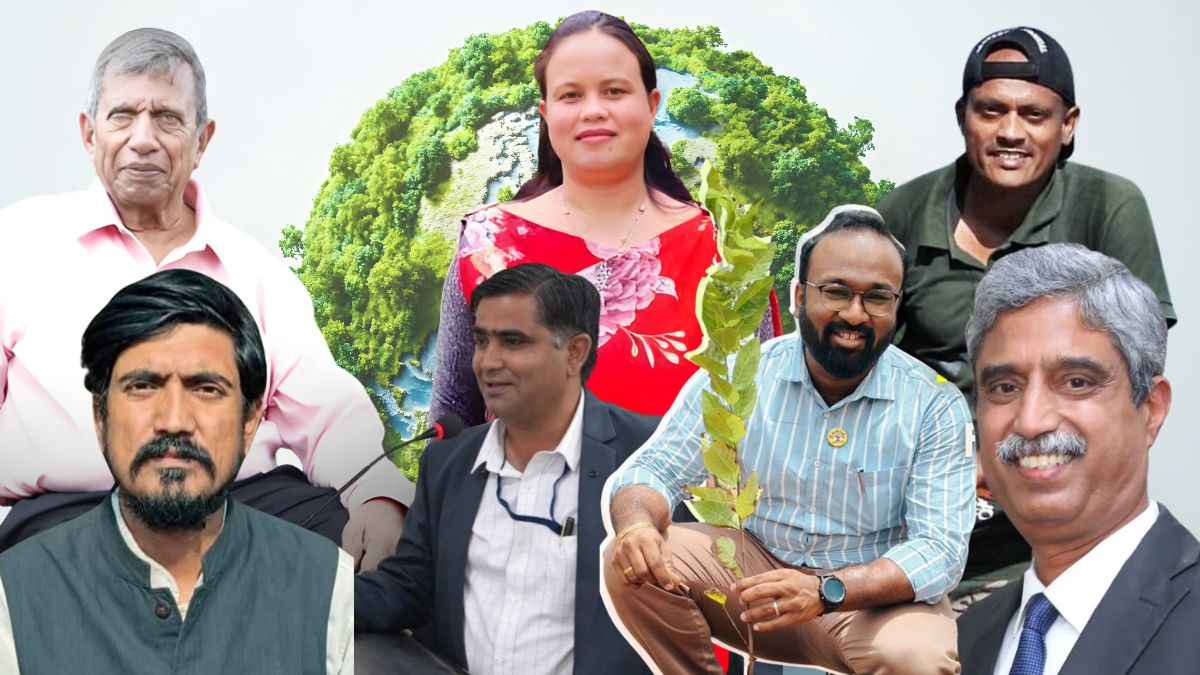
Environmental change in India did not arrive wrapped in announcements or policy documents alone. It unfolded quietly on scorched hillsides, beside polluted rivers, inside dry villages and within overheated city neighbourhoods. Across the country, a few individuals stepped in where ecosystems were failing, responding with patience and labour for the land they lived on. They worked with natural systems, involving local communities and volunteers. These are 7 individuals who helped forests return, rivers slow down, water flow again and cities breathe easier, proving that care for the Earth still begins at the grassroots.
Dr Shankar Lal Garg
Location: Indore, Madhya Pradesh
A retired professor, Dr Shankar Lal Garg transformed a once-barren hill into Keshar Parvat, a thriving 22-acre forest with over 40,000 trees. His work began years ago with steady planting and protection, guided by patience rather than speed.
In 2019, a devastating fire destroyed nearly 1,000 of his trees, a moment that could have ended the project. Instead, he rebuilt with renewed determination. Today, the forest supports wildlife, improves local air and soil quality and stands as a living example of what long-term commitment to nature can achieve.
Pankaj Kumar
Initiative: Earth Warriors
Location: Delhi (work across 12 states)
Once a corporate professional, Pankaj Kumar left his job after witnessing the Yamuna overwhelmed with plastic and sewage. He founded Earth Warriors, a volunteer-driven initiative focused on river clean-ups and accountability.
Every Sunday, he leads waste removal drives at Kalindi Kunj Ghat, physically clearing tonnes of trash. Beyond clean-ups, his team inspects sewage treatment plants and pressures civic authorities to act. Their work has stopped significant amounts of waste from entering rivers, restoring dignity and access to cleaner waterways for communities downstream.
DC Sekhar
Location: Bengaluru
After 26 years at sea, Captain DC Sekhar returned home carrying first-hand knowledge of how plastic chokes rivers before reaching oceans. He channelled that experience into innovation, designing a fuel-free floating waste barrier that uses natural river currents to trap trash.
The device is passive, affordable and locally adaptable, costing nearly 30 times less than imported alternatives. Installed in Chennai’s Cooum and Adyar rivers, it has already captured over 20,000 tonnes of waste. His work shows how engineering aligned with nature can prevent damage before it spreads.
Also read: 5 Indian Changemaker Creators Using Service, Storytelling and Social Action to Build Lasting Impact
Ramesh Kharmale
Location: Junnar, Pune district
An ex-Army man, Ramesh Kharmale leads a family-driven effort to revive barren hills in Junnar. Beginning in 2021, he spent over 300 hours carving 70 contour trenches on Dhamankhel Hill to trap rainwater and reduce runoff.
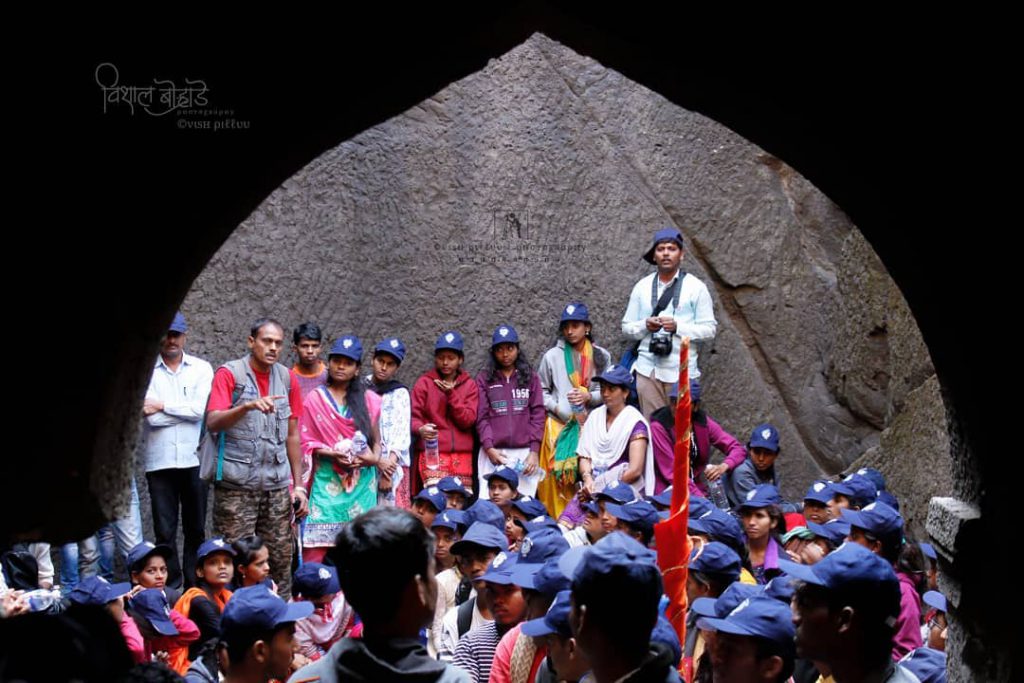
Every weekend, Kharmale, along with his wife and children, treks the hills to dig trenches and plant native trees. The trenches now store nearly 8 lakh litres of rainwater each season, strengthening groundwater reserves. Their work has turned dry slopes green and inspired neighbouring villages to follow suit.
Dr Lal Singh
Role: Principal Scientist, CSIR-NEERI
Location: Vidarbha, Maharashtra
Dr Lal Singh took on one of India’s most difficult environmental challenges: reclaiming land poisoned by fly ash from thermal power plants. Using bamboo’s natural resilience, he developed Eco-Rejuvenation Technology, restoring polluted soil in regions like Koradi, Khaparkheda and Chandrapur.
What began as a scientific assignment became a mission as grey wastelands turned green. The bamboo forests improved air quality, stabilised soil and enhanced water safety, while also providing livelihoods to local farmers and women employed on-site. His work demonstrates how science can heal land once considered beyond recovery.
Lakmen Mary Nongkhlaw
Location: Kyrdemkhla village, Meghalaya
A long-serving assistant teacher, Lakmen Mary Nongkhlaw transformed her village’s daily struggle for water into collective action. Having personally endured exhausting uphill walks for water, she mobilised her community to build lasting solutions.
Under her leadership, villagers constructed four check dams, five water storage tanks and renovated six spring chambers. They also planted 16,000 saplings. Today, six village taps supply water even during dry months, freeing women from daily hardship and reshaping how time, education and work are distributed in the village.
Krishnakumar S
Initiative: Thuvakkam
Location: Chennai and Hyderabad
Krishnakumar S began with a simple college tree-planting drive. That effort grew into Thuvakkam, an initiative that has planted over 65,000 native trees across Chennai and Hyderabad using the Miyawaki method.
With volunteers, he has created more than 40 dense urban forests that cool neighbourhoods, recharge groundwater, improve air quality and invite birds back into city spaces. His work reconnects residents with nature and proves that even small urban patches can become powerful ecological lungs.
These sustainability heroes remind us that restoration is not instant, glamorous or easy. It is built through daily labour, local trust and respect for natural systems. By healing hills, rivers, villages and cities, they helped India breathe a little easier. Their journeys show that when individuals commit deeply, landscapes can change and so can futures.

These Indian Women Runners Show Life Doesn’t Stop And Neither Do They

Siddhesh Lokare’s Workshop Is Teaching Creators What Actually Matters Beyond Virality

Ranveer Allahbadia and Kunal Kamra Clash Again

Aakanksha Monga Launches ‘Creator Takeoff’ to Help Aspiring Travel Creators

Varsha Shekhawat: From 55 Stitches to Self-Made Strength, A Story That Refuses Sympathy

What Actually Drives Reels’ Engagement? New Data Reveals What Works in 2026

Should Social Media Be Banned for Kids Under 16? Pinterest CEO Sparks Global Debate

Why Social Media Is the Biggest Growth Engine for Small Businesses in 2026

India’s Creator Economy Is Booming But Broken Payments Are Becoming Its Biggest Bottleneck

Creators Decoding Eid Fits and Relatable Content You Can’t Afford To Miss

Food Pharmer’s Cannes Look That Never Walked

Parul Gulati Wears Nish Hair on the Cannes 2025 Red Carpet

Nancy Tyagi’s 700-Hour DIY Gown Turns Heads at Cannes 2025

Navya Nanda’s IIM Ahmedabad Triumph: From Controversy to Campus Joy

Influencer Kareema’s Heartwarming Journey with Suki

Prajakta Koli and Vrishank Khanal’s Wedding

Prajakta Koli’s Haldi and Cocktail Celebrations

Prajakta Koli and Vrishank Khanal’s Pre-Wedding Celebrations

Prajakta Koli x Vrishank Khanal Magical Mehendi

Milind Soman & Ankita’s Maha Kumbh 2025 Experience

Update: UK07 Rider Breaks Silence in an Emotional ‘Last Vlog’, Blames Family Conflict for Mental Distress
These Indian Women Runners Show Life Doesn’t Stop And Neither Do They

Holi Around the World: How 5 Creators Turned Tradition into Viral Colour Stories

Maharashtra Influencer Arun Tupe Found Dead on March 10 at Home in Chhatrapati Sambhajinagar

Anurag Dobhal Says He Is Facing Mental Harassment: Shares Concerning Note With Followers

How Niranjan Mondal Is Turning Bengali Reels into Mainstream Storytelling

The Real Story of Arun Kumar, India’s Internet ‘Laughing Meme Boy’
Creators Decoding Eid Fits and Relatable Content You Can’t Afford To Miss

Ugadi & Gudi Padwa 2026: Creators Bring Festive Vibes to Life
