
Tech
Deepinder Goyal’s ‘Temple’ Sparks Debates and Memes After Raj Shamani Podcast
A mysterious gadget on Deepinder Goyal’s temple has triggered a health-tech debate, expert pushback and viral memes after a podcast appearance.

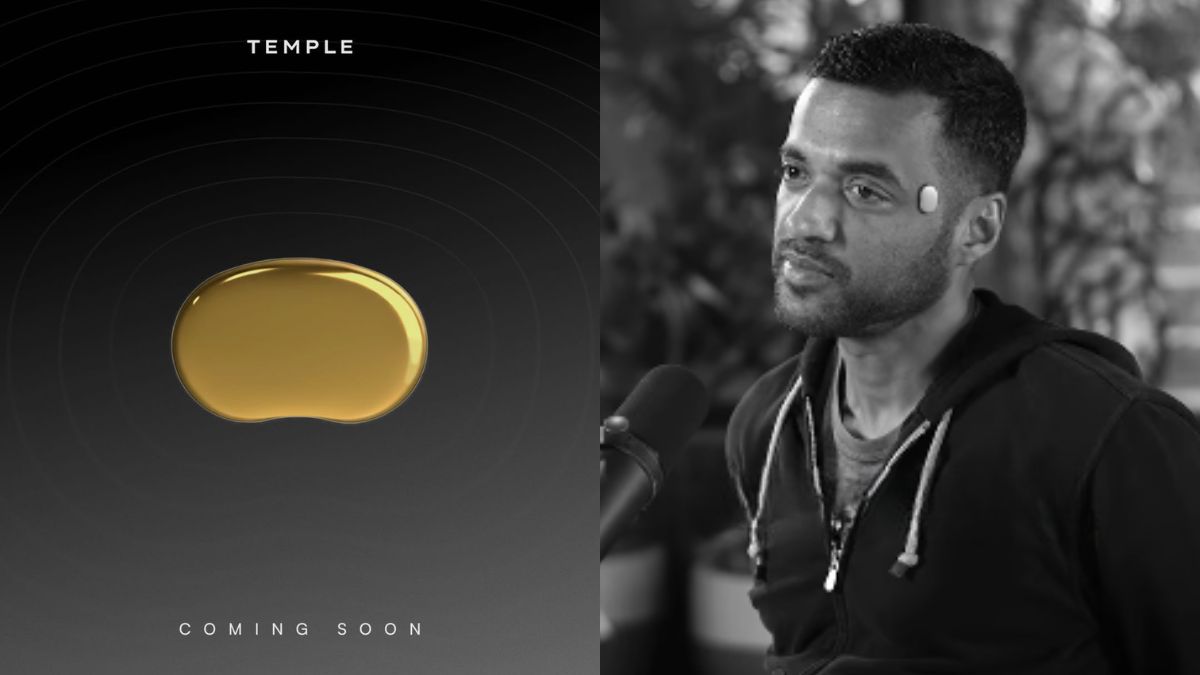
When Deepinder Goyal, co-founder and CEO of Zomato, appeared on Figuring Out with Raj Shamani, viewers noticed something unusual. Clipped near his right temple was a small metallic device. Within hours, clips from the podcast spread across Instagram, X and YouTube, shifting the conversation away from food delivery, markets or leadership to one question: what exactly is that gadget?
Goyal Responds on LinkedIn, Pushes Back at Critics
As debate around the Temple device intensified, Deepinder Goyal addressed the criticism directly in a LinkedIn post, calling out what he described as premature backlash from doctors and influencers.
Goyal clarified that Temple has not been commercially launched, is not available for purchase or pre-order, and that no official benchmarking or validation data has been released yet. He pointed out that advising people against buying an “unvalidated” device that is not even on the market was misplaced.
In his post, Goyal stressed that Temple is still a work in progress and that the team is months away from even preview devices, if they decide to make them public at all. He added that all scientific data and validation would be shared transparently if and when the product is offered commercially.
While acknowledging that skepticism is important, Goyal framed the current criticism as mistimed, urging observers to remain curious and supportive of Indian research and startups until formal data is released.
What Is the ‘Temple’ Device?
Temple is an experimental wearable health-tech prototype, not a consumer gadget. Unlike smartwatches or rings that track steps, sleep or heart rate, Temple is designed to monitor cerebral blood flow in real time.
Goyal has repeatedly described it as a personal research project, not a finished product. The device is worn on the temple region of the head and continuously collects data related to blood circulation to the brain.
The idea is based on what Goyal calls the Gravity Ageing Hypothesis. According to this theory, humans spend most of their lives upright, causing gravity to constantly pull blood downward. Over time, this forces the heart to work harder to supply blood to the brain, which may contribute to cognitive ageing.
Temple aims to measure this effect so that correlations between posture, rest, activity and brain blood flow can be studied. However, the concept remains experimental and has not yet undergone public clinical validation.
Who Is Building It and How Far Along Is It?
Temple is being developed under Continue Research, a research division within Eternal, Zomato’s parent company. Goyal has reportedly invested around 25 million dollars of his personal wealth into the project.
He has said he has been testing the device on himself for over a year. At present, it remains experimental, with no public commercial launch, regulatory approval or clinical certification in India or elsewhere.
Simply put, you cannot buy the Temple device in India right now.
Innovation or Marketing Moment?
The podcast appearance triggered a larger debate. Some saw the move as classic curiosity-led visibility.
By wearing the device without a formal announcement, Goyal created a mystery that drove millions of organic impressions. Blogs, reels, memes and explainers followed, making Temple one of the most discussed tech curiosities of the week.
Others, however, raised serious questions about scientific credibility.
Doctors Push Back on the Claims
Medical professionals were quick to weigh in. Dr Suvrankar Datta, an AI researcher and radiologist from AIIMS Delhi, publicly stated that the device currently has “zero scientific standing” as a medical tool.
Experts pointed out that accurately measuring cerebral blood flow usually requires hospital-grade equipment like MRIs or Doppler scans. A surface-level wearable, they argue, cannot yet replace validated medical diagnostics.
The broader concern raised was that such devices could blur the line between experimental research and consumer health promises.
Internet Reacts With Memes and Comedy
As the debate unfolded, the internet did what it does best.
Memes flooded timelines. Screenshots of Goyal wearing Temple were paired with sci-fi jokes, Iron Man comparisons and satire.
Creator Rohit Raghav went viral after posting a reel using a homemade version of the device, shaped from everyday materials and stuck near his temple. The caption read, “Sab riders khush hain toh complain kaun kar raha hai?” The reel crossed 5 million views, becoming one of the most shared takes on the episode.
Other creators and meme pages followed, turning Temple into a pop culture moment rather than just a tech experiment.
A Small Device That Stole the Spotlight
Beyond humour and hype, the Temple episode highlights a larger shift. Founders are no longer just business leaders. Their experiments, curiosities and side projects now unfold in public, instantly judged by experts, creators and audiences alike.
Temple currently sits in a grey zone, somewhere between bold health-tech exploration and an unproven prototype. Whether it evolves into a validated product or remains a personal research project is yet to be seen.
For now, one thing is clear. A tiny device, worn quietly on a podcast, managed to spark a nationwide conversation across health, science, tech and internet culture, all at once.

Snapchat India Partners With Qoruz To Make Creator Discovery Easier For Brands

The Traitors 2 Reunion Was Full Of Kalesh, Confrontations And Long-Pending Answers

Swatantra Bhardwaj Sent to 14-Day Judicial Custody in Jantar Mantar Assault Case

Hardik Arora Teams Up With Meta for a Micro-Drama Series

Amazon Launches Creator Connections in India to Connect Creators With Brand Campaigns

Telugu YouTuber Ramana Nandana Detained at Hyderabad Airport Over Alleged UK Job Fraud

Snoop Dogg Has the Job We All Secretly Want: ₹10 Lakh A Month to Eat Ice Cream

Is Saurav Joshi Really Entering GTA VI? Here’s What We Found

Missing Mahi Review: When Missing Someone Starts Playing Tricks on Your Mind

Wimbledon Draws a Line on Influencer Access After US Open Disruptions

Food Pharmer’s Cannes Look That Never Walked

Parul Gulati Wears Nish Hair on the Cannes 2025 Red Carpet

Nancy Tyagi’s 700-Hour DIY Gown Turns Heads at Cannes 2025

Navya Nanda’s IIM Ahmedabad Triumph: From Controversy to Campus Joy

Influencer Kareema’s Heartwarming Journey with Suki

Prajakta Koli and Vrishank Khanal’s Wedding

Prajakta Koli’s Haldi and Cocktail Celebrations

Prajakta Koli and Vrishank Khanal’s Pre-Wedding Celebrations

Prajakta Koli x Vrishank Khanal Magical Mehendi

Milind Soman & Ankita’s Maha Kumbh 2025 Experience

Could Bilibili Be the Next Creator Opportunity for Indians?

Rohit Sukheja and Kanupriya Gupta Hit 5 Billion YouTube Views

China’s Bilibili Goes Global, Taking Aim at YouTube and Gen Z

R Udhay Is Helping Creators Level Up Their Content With Editing, AI & Instagram Tips

Rebel Kid Taking Her Journey From Social Media To Columbia University

A YouTuber Begged For A Day And Earned ₹4000. Here’s What Happened

Meet RJ Parima Jain, The Former Radio Mirchi Host Building Her Own Digital Creator Journey

AI Content Creator Platform Creedom Raises ₹4.1 Crore in Seed Funding

Want to Be an Influencer? There’s Now a College Degree for It
