
Tech
Delhi High Court Steps In on Bhuvan Bam Deepfake Row: Platforms Told to Act Within 36 Hours
Court orders quick removal of deepfake content using Bhuvan Bam’s identity amid rising online misuse concerns.

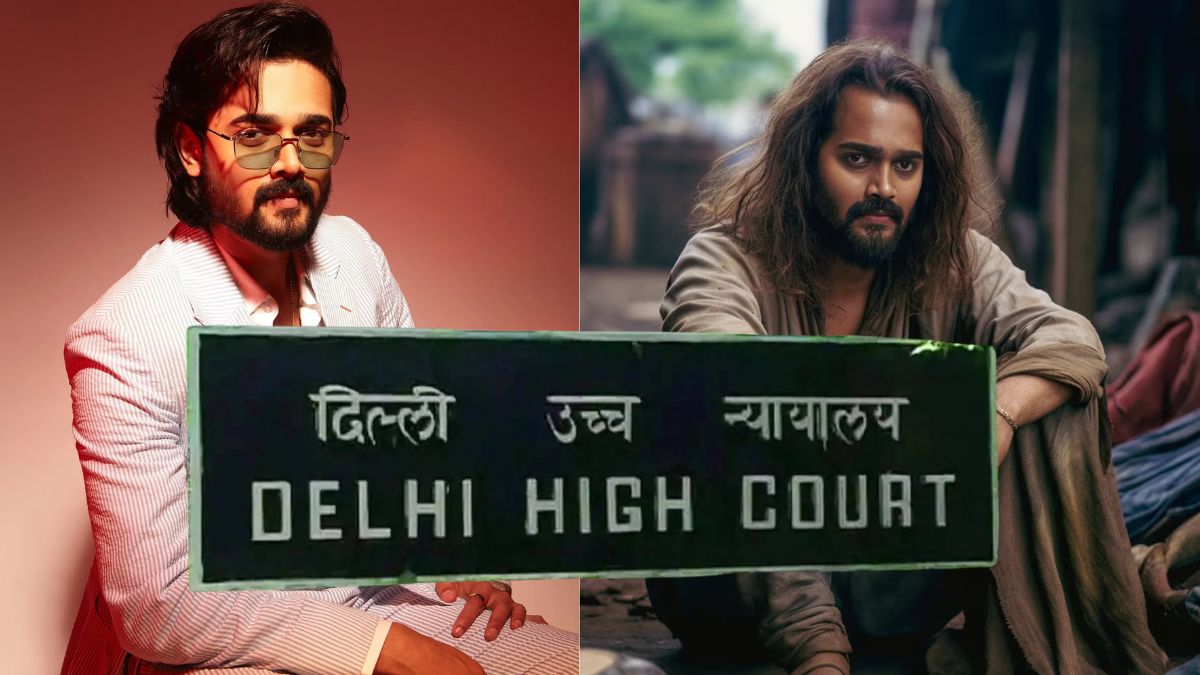
What did the Delhi High Court say about Bhuvan Bam’s deepfake content?
In a significant move, the Delhi High Court granted interim relief to Bhuvan Bam, directing immediate action against the misuse of his identity through deepfake content.
The order was passed on April 28, 2026, by Justice Jyoti Singh, following increasing instances of misleading digital content using Bam’s face, voice, and even characters from BB Ki Vines.
The Court observed that there is clear initial evidence of misuse and warned that such content could cause serious harm, not just to the creator but also to the public consuming it.
Why was this case filed and what kind of content was involved?
The case was triggered by the rapid spread of deepfake content that falsely used Bhuvan Bam’s identity across platforms.
This included:
- fake advertisements
- Telegram promotions
- betting-related content
These videos and posts were designed in a way that made them appear authentic, leading to confusion among viewers and raising concerns about online scams.
The Court took note of how quickly such content was circulating and the potential risk it posed in misleading audiences.
What action has the Court ordered for platforms?
The Court has issued strict directions to major digital platforms, including:
- Google LLC
- Meta Platforms Inc.
- Flipkart
- Spotify India
These platforms have been instructed to remove identified URLs and content within 36 hours.
This tight deadline underlines the urgency of controlling harmful and misleading digital material before it spreads further.
What did the Court say about parody and fair use?
While arguments around parody and fair use were raised during the proceedings, the Court clarified that those aspects will be examined later.
At this stage, the priority is clear: stopping misuse and protecting public interest.
The focus remains on preventing damage caused by deceptive content rather than debating creative freedoms.
Why is this case important for creators and users?
This case highlights a growing issue in the digital ecosystem.
Deepfake technology is increasingly being used to:
- impersonate creators
- spread misinformation
- promote scams
Bhuvan Bam’s legal action brings attention to how such misuse affects both personal identity and audience trust.
It also signals that platforms may now be expected to act faster and more responsibly when such cases arise.
What’s next for Bhuvan Bam professionally?
Even as he takes a stand on digital safety, Bhuvan Bam continues to expand his presence in mainstream entertainment. He is set to appear in Kuku Ki Kundali, a project under Dharma Productions, alongside Wamiqa Gabbi. He is also part of the series The Revolutionaries on Amazon Prime Video.
What does this mean for the future of online content?
The Court’s intervention sends a clear message.
Digital platforms are not just hosting content anymore; they are responsible for how quickly harmful content is addressed.
For creators, it reinforces the importance of protecting identity.
For users, it serves as a reminder to question what they see online.
And for the ecosystem as a whole, it marks another step in defining accountability in the age of AI-driven content.

Niharika Tiwari Takes Charge in Rise & Fall 2, Eliminates Shehzad Poonawalla and Irina Rudakova

Sania Mistry Deepfake Case: Maharashtra Cyber Acts Against AI-Manipulated Images

YouTube’s Gunjan Soni Says India’s Creator Economy Is Evolving Into a Global Media Powerhouse

Navratri Outfit Inspiration: Creators Who Understood the Festive Assignment

Rowhi Rai Buys Her Own House: How Northeast India’s Creators Are Building Their Own Success Stories

Ashish Chanchlani’s Perfume Business: Can Creator Brands Smell Like Success?

Lilly Singh Is Back to Sketch Comedy, and Her Characters Have Become Creators of Their Own

Anubhav Singh Bassi’s ‘Cheating’ Crossed 100 Million YouTube Views

Meet Saurav Haldar, the Indian Cricket Creator Featured at the ICC Men’s World Cup 2027 Schedule Launch

15–25% of Brand Marketing Budgets Are Moving Towards the Creator Economy

Food Pharmer’s Cannes Look That Never Walked

Parul Gulati Wears Nish Hair on the Cannes 2025 Red Carpet

Nancy Tyagi’s 700-Hour DIY Gown Turns Heads at Cannes 2025

Navya Nanda’s IIM Ahmedabad Triumph: From Controversy to Campus Joy

Influencer Kareema’s Heartwarming Journey with Suki

Prajakta Koli and Vrishank Khanal’s Wedding

Prajakta Koli’s Haldi and Cocktail Celebrations

Prajakta Koli and Vrishank Khanal’s Pre-Wedding Celebrations

Prajakta Koli x Vrishank Khanal Magical Mehendi

Milind Soman & Ankita’s Maha Kumbh 2025 Experience

Meta One Launches With Paid AI, Creator Tools And New Features Across Instagram, Facebook And WhatsApp

YouTube Shorts Changes Repost Rules: What Creators Need To Know About Original Content

YouTube Is Letting Creators See What Works for Their Competitors

Adam Mosseri Reveals Instagram Trial Reels Rule That Could Limit Your Reach

What Is Meta’s New “Muse” AI And Why Are Users Seeing It?

Roopali Agrawal aka Rockonroops Turning Family Life Into Conversations On Fashion, Freedom And Safety

Technical Guruji’s iPhone 18 Pro Max Giveaway: Nearly 100 Phones And A Big Question About The Cost

Eloelo Launches Dolphin AI: Will AI Video Tools Change The Future Of Creators And Filmmakers?

Is Orry Getting Married? Close Friends Story Sparks Questions As His Past Wedding Rumours Resurface
