
Entertainment
Ashish Chanchlani Unfiltered: Everything He Revealed About Fame, Failure, Heartbreak and Bollywood
From rejected auditions and a 15-month emotional collapse to loneliness, therapy and truth bombs in the creator industry

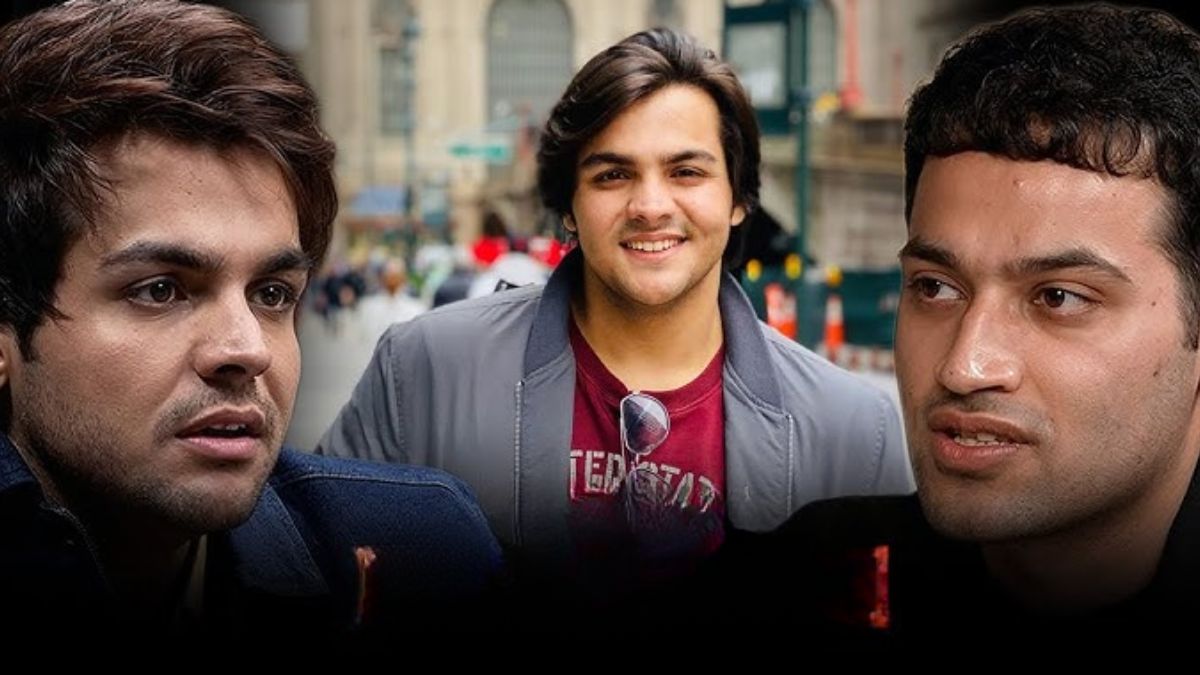
Ashish Chanchlani is known to millions for laughter, timing and viral sketches. But in a long, unfiltered conversation on the Figuring Out with Raj Shamani podcast, he peeled back the performance and spoke about the cost of success, the weight of expectations and the emotional aftermath that fame rarely prepares you for. What emerged was not a motivational speech, but a deeply human account of insecurity, rejection, privilege, heartbreak and survival. Here is everything you need to know from the conversation, without filters.
Why People Hate Successful People
Ashish believes success makes other people uncomfortable because it mirrors their own unfulfilled desires. When someone grows too fast or too visibly, the narrative quickly shifts from admiration to suspicion. He explains that rich or successful people are often painted as “evil” because it is easier than accepting that luck, timing, privilege and hard work can coexist.
He openly admits his privilege. He comes from a wealthy family and has never hidden it. What bothers him is the assumption that privilege automatically means laziness. According to Ashish, resources are meaningless unless you use them to build something real.
His Relationship With His Parents and Insecurities
Despite fame, his deepest insecurities trace back to personal expectations and family dynamics. He spoke about guilt, stubbornness and moments where his emotional walls pushed away the very people who cared for him most. One of his biggest regrets is how he treated his brother during his lowest phase, lashing out even when support was unconditional.
Weight Loss and How Life Changed After It
Ashish was brutally honest about how his weight shaped both his self-worth and his professional opportunities. He revealed that he auditioned for Stree and Dangal and lost both roles to Aparshakti Khurana. He is “100% sure” that weight was the deciding factor.
Casting rooms, he said, judged him before he spoke. One person directly told him that unless he got thinner, he would only be offered “rotten roles” like a comic sidekick or a brother.
After weight loss, the perception changed. Opportunities widened. But the emotional damage of those early rejections stayed.
Bollywood, Rejection and the Influencer Label
Ashish rejected a role in JugJugg Jeeyo because it felt like a token funny character with no depth. He joked that while he likes Kiara Advani, he did not want to be cast as her brother just to fill space.
He also revealed being offered a South Indian film as a ruthless bodybuilder villain. The producer liked the contrast between his “soft face” and tall frame. He turned it down because he was writing Ekaki at the time.
His blunt take: mainstream actors feel threatened by creators. Influencers are still seen as people who chase views, not craft. Producers, he says, are stuck in an “infinite loop” of casting creators for clout, which leads to hollow films that fail.
On a hopeful note, he said he is manifesting success for Bhuvan Bam’s Bollywood journey, believing Bhuvan is opening doors for creators who want to be taken seriously.
Heartbreak That Broke Him for 15 Months
This was the most raw section of the conversation.
Ashish spoke about a breakup that sent him into what he described as a “Kabir Singh type phase.” For 15 months, he stopped grooming, stopped bathing for days, and spent hours staring at ceilings and walls. He coined the term “mental erectile dysfunction” to describe how his mind went numb. He could not write jokes. He could not think creatively.
He isolated himself from friends and parents. Food and alcohol became coping mechanisms. His health collapsed. He was pre-diabetic, pre-thyroid, had severe pigmentation, hair loss and a bloated face. He cried, looking at himself in the mirror.
Even now, he admits to feeling lonely. He misses companionship, touch, and emotional safety, but also fears trusting or loving again. He blames himself for choosing the wrong person and carries that weight quietly.
Loneliness, Masculinity and Emotional Suppression
Ashish strongly criticised the idea that men must never cry or show vulnerability. He said emotional expression is unfairly linked to weakness or irresponsibility. According to him, sensitivity does not mean fragility. It means awareness.He believes many men suffer silently because society allows them no language for pain.
The Elli AvRam Controversy
Addressing the viral post that suggested a relationship with Elli AvRam, Ashish admitted it was a mistake. The post was meant as a promotional tease for a song using the hashtag #finally, but it spiralled far beyond expectations.
He defended himself by saying faking a relationship is not comparable to faking death, but accepted responsibility for the confusion. He said he would never repeat it.
The unexpected outcome was a genuine friendship. After arguments and chaos, he and Elli bonded deeply, and the situation introduced her to his massive YouTube audience.
Read Full Story here: Elli AvrRam Slams Trolls Over ‘Body Count’ Remarks: Calls Them Misogynistic and Nasty
God Complex, Fame and Reality Checks
In 2018, when his channel gained eight million subscribers in a single year, Ashish felt invincible. Untouchable. He calls it a “God complex.”
In hindsight, he is grateful it happened early. The crash that followed taught him humility before life could do it more brutally later.
Hypocrisy in the Creator Industry
Ashish Chanchlani did not hold back while calling out hypocrisy. He finds it ironic that people who preach kindness and anti-bullying online are often the worst bullies offline. He specifically criticised creators who refuse to take photos with fans or treat them badly. For him, a fan asking for a picture is the best part of his day. Fame, he believes, should never erase gratitude.
Being “Too Sweet” and Learning Ruthlessness
Ashish Chanchlani attributes his excessive kindness to his mother. Being overly sweet, especially in college, led to people exploiting him emotionally and financially.
His conclusion is sharp: sensitive people are kind until they hit a threshold. After that, they become ruthless not out of cruelty, but survival.
This conversation was not about image correction or branding. It was about a man confronting his own contradictions: privilege and pain, fame and loneliness, strength and emotional collapse.
Ashish Chanchlani did not offer solutions. He offered honesty. And in an industry obsessed with appearances, that might be the most uncomfortable and necessary truth of all.

Ashish Chanchlani Unfiltered: Everything He Revealed About Fame, Failure, Heartbreak and Bollywood

Did Elvish Yadav Really Get Engaged to Jiya Shankar? Or is it a Promo Stunt?

Uorfi Javed Breaks Silence on ‘Expelled From Islam’ Claims: “I Am an Atheist, I Left Long Ago”

Ankush Bahuguna – Only Indian Creator at Estée Lauder’s Global Beauty Launch in Los Angeles

The 50: India’s Biggest Creator-Led Reality Show

Inside India’s Long Road To Becoming An Investor Nation. Only on the Simple Hai! Show

Apoorva Mukhija’s Love Life in the Spotlight: Rumours, Reality Shows & Online Buzz

Raj Shamani Joins ICC T20 World Cup 2026, Signalling A Turning Point For India’s Creator Economy

TahirFuego, The Shotgun King of Indian Free Fire, Dies at 24

48 YouTubers, One Champion: Free Fire MAX Telugu Championship Signals Rise Of Regional Esports

Food Pharmer’s Cannes Look That Never Walked

Parul Gulati Wears Nish Hair on the Cannes 2025 Red Carpet

Nancy Tyagi’s 700-Hour DIY Gown Turns Heads at Cannes 2025

Navya Nanda’s IIM Ahmedabad Triumph: From Controversy to Campus Joy

Influencer Kareema’s Heartwarming Journey with Suki

Prajakta Koli and Vrishank Khanal’s Wedding

Prajakta Koli’s Haldi and Cocktail Celebrations

Prajakta Koli and Vrishank Khanal’s Pre-Wedding Celebrations

Prajakta Koli x Vrishank Khanal Magical Mehendi

Milind Soman & Ankita’s Maha Kumbh 2025 Experience

Top Indian Creators Who Turned Content into Companies

Deeksha Gulati’s Viral Live: Breakup Claims, Backlash And Apology

Ekaki Hits 100 Mn Views: Ashish Chanchlani’s Directorial Debut Is A Digital Blockbuster

Meta Expands AI Reel Translations in Indian Languages: Regional Creators Rejoice
TahirFuego, The Shotgun King of Indian Free Fire, Dies at 24

Prathamesh Kadam Dies at 26: Comedy Creator’s Sudden Passing Shocks Creator Community

Fauji Wives 2.0: How Army Spouses Are Turning Sarkari Ghar Life Into Digital Careers

6 Indian Micro Couple Creators Making Everyday Life Watchable

Indian Army Day Special: 6 Creators Taking Military Stories Beyond the Barracks
