
Lifestyle
David Attenborough, Earth’s Original Storyteller Turns 100
David Attenborough has spent over 8 decades watching Earth change and became the voice that made the world care for it.

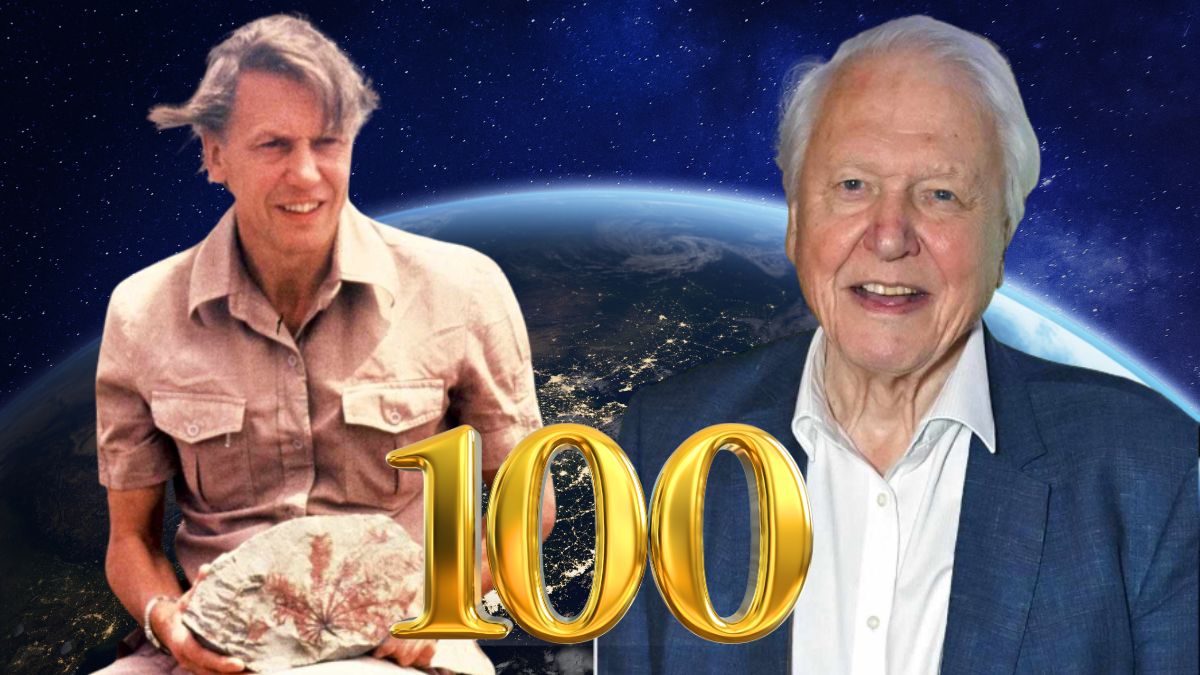
For generations raised on reels, wildlife clips, cinematic documentaries, and travel creators, storytelling about nature feels normal today. But long before YouTube creators flew drones over forests, before Netflix turned nature into prestige entertainment, and before “content creation” even existed as a career, there was one man quietly changing how the world saw Earth. David Attenborough turned 100 this week, marking not just the birthday of a broadcaster but the centenary of someone who became the voice of the planet itself. For almost an entire century, Attenborough watched Earth transform in real time. He documented forests before destruction accelerated. Oceans before plastic overwhelmed them. Coral reefs before bleaching became global headlines. Wildlife before extinction numbers became impossible to ignore. And in doing so, he unknowingly became what today’s internet would probably call: the original global storyteller.
Who is David Attenborough and why is he so important?
Born in 1926 in London and raised in Leicester, Attenborough developed an obsession with rocks, fossils, insects, and wildlife as a child. After studying natural sciences at Cambridge and serving in the Royal Navy, he joined the BBC in the 1950s, when television itself was still new.
At the time, nature documentaries barely existed in the form people recognise today. Wildlife content was largely educational, stiff, and scientific. Attenborough changed that completely. Instead of treating animals like distant scientific subjects, he transformed nature into emotion, narrative, adventure, suspense, and wonder. Suddenly, viewers were not just watching wildlife. They were feeling connected to it.
You might also like: Earth Day Spotlight: 4 Indian Creators Redefining Conscious Living
Why do people call David Attenborough the original storyteller?
Because he mastered something modern creators still chase today: making people care. Attenborough understood that facts alone rarely change people. Stories do.
Whether whispering beside gorillas, standing near erupting volcanoes, or patiently observing birds of paradise, he gave nature personality without turning it into fiction.
His documentaries include:
- Life on Earth
- Planet Earth
- Blue Planet
- Frozen Planet
- Our Planet
did more than showcase wildlife.
They made audiences emotionally invested in ecosystems they would never physically visit.
Long before creators spoke about “engagement,” “watch time,” or “audience retention,” Attenborough had already perfected immersive storytelling.
How did David Attenborough change nature filmmaking forever?
Modern wildlife filmmaking owes a huge debt to Attenborough’s work.
His productions pushed innovation in:
- drone cinematography
- underwater filming
- ultra-HD wildlife recording
- slow-motion nature capture
- long-form environmental storytelling
But more importantly, he changed the philosophy of nature content itself. Nature stopped being treated as background scenery. It became central to human survival. Attenborough repeatedly reminded audiences that humans are not separate from Earth. We are part of it. That idea became one of the most powerful environmental narratives of the modern era.
How did his storytelling evolve over time?
One of the most fascinating things about Attenborough’s career is that his tone changed alongside the planet itself. His early documentaries were filled with discovery, wonder, and excitement. But over time, as climate change, pollution, and biodiversity loss became impossible to ignore, his storytelling shifted too.
The calm narrator who once introduced untouched wilderness slowly became a witness to ecological destruction. Plastic-filled oceans. Dying coral reefs. Melting glaciers. Vanishing species. Yet even while sounding warnings, Attenborough rarely spoke with hopelessness. Instead, he focused on responsibility.
Why does David Attenborough still matter in the social media era?
Because authenticity survives every algorithm shift. In an internet era dominated by fast trends, short attention spans, and performative outrage, Attenborough represents something increasingly rare: trust.
Research repeatedly found that audiences across political ideologies trusted him deeply. Young audiences still engage with his documentaries despite growing up in the Instagram and YouTube generation. And perhaps that is because his storytelling never relied on virality.
It relied on sincerity, patience, and curiosity. Ironically, many qualities modern creators are now trying to rediscover.
What is David Attenborough’s biggest legacy?
His biggest achievement may not be television at all. It may be perspective. For millions of people, Attenborough fundamentally changed how nature was perceived: not as scenery, not as entertainment, not as “resources,” but as a living system connected directly to human life.
Scientists, conservationists, educators, filmmakers, and climate communicators across the world still cite his work as the reason they entered their fields.
He made environmental awareness emotional long before climate conversations became mainstream online.
The man who watched Earth change for 100 years.
Very few people in history have witnessed the planet transform as dramatically as David Attenborough did.
He saw untouched wilderness become a shrinking habitat.
He saw climate change move from scientific discussion to lived reality.
He saw storytelling evolve from radio to television to streaming platforms and social media.
And somehow, through all of it, his voice remained constant.
Gentle. Curious.Human. Before creators built communities online, David Attenborough built one around the planet itself.

Exclusive: Chhote & Aandu: The Couple Behind Billions of Views, Viral Reels and an Unfiltered Creator Life

Vir Das Gets Third International Emmy Nomination For ‘Fool Volume’

Why Is MrBeast Back in India? Is His India Connect Getting Bigger in 2026?

Darshan Magdum To Finally Arrive In US As Boy Throb Announces Free Darshan Day Event

Mirabai Chanu Wins Silver At Asian Games 2026, Ends India’s 28-Year Wait For Weightlifting Medal

MS Dhoni Becomes SpeakX Brand Ambassador For English Learning Campaign

Adam Mosseri Reveals Instagram Trial Reels Rule That Could Limit Your Reach

Ranveer Allahbadia Takes Gen Z Inside India’s Space-Tech Boom With Skyroot Visit

7 Indian States Using Creators To Promote Tourism, Culture And Government Schemes

Shru Gaming: The Mom Gamer Proving Gaming And Motherhood Can Coexist

Food Pharmer’s Cannes Look That Never Walked

Parul Gulati Wears Nish Hair on the Cannes 2025 Red Carpet

Nancy Tyagi’s 700-Hour DIY Gown Turns Heads at Cannes 2025

Navya Nanda’s IIM Ahmedabad Triumph: From Controversy to Campus Joy

Influencer Kareema’s Heartwarming Journey with Suki

Prajakta Koli and Vrishank Khanal’s Wedding

Prajakta Koli’s Haldi and Cocktail Celebrations

Prajakta Koli and Vrishank Khanal’s Pre-Wedding Celebrations

Prajakta Koli x Vrishank Khanal Magical Mehendi

Milind Soman & Ankita’s Maha Kumbh 2025 Experience

Meta One Launches With Paid AI, Creator Tools And New Features Across Instagram, Facebook And WhatsApp
Adam Mosseri Reveals Instagram Trial Reels Rule That Could Limit Your Reach

ScoutOP Reveals ₹30 Lakh Monthly Income

AI Content Creator Platform Creedom Raises ₹4.1 Crore in Seed Funding

Snoop Dogg Has the Job We All Secretly Want: ₹10 Lakh A Month to Eat Ice Cream

R Udhay Is Helping Creators Level Up Their Content With Editing, AI & Instagram Tips

Internet Famous Golden Retriever Tucker Budzyn Diagnosed With Lymphoma

Is Saurav Joshi Really Entering GTA VI? Here’s What We Found

Visha Khandelwal’s 2-Minute Reel Crosses 500K Views With Just a Personal Story
