
Lifestyle
Save KBR: How Creators Are Driving Environmental Action
Creators are turning the “Save KBR” movement into more than just online conversation using storytelling, poetry, and awareness to spotlight the real cost of urban development.

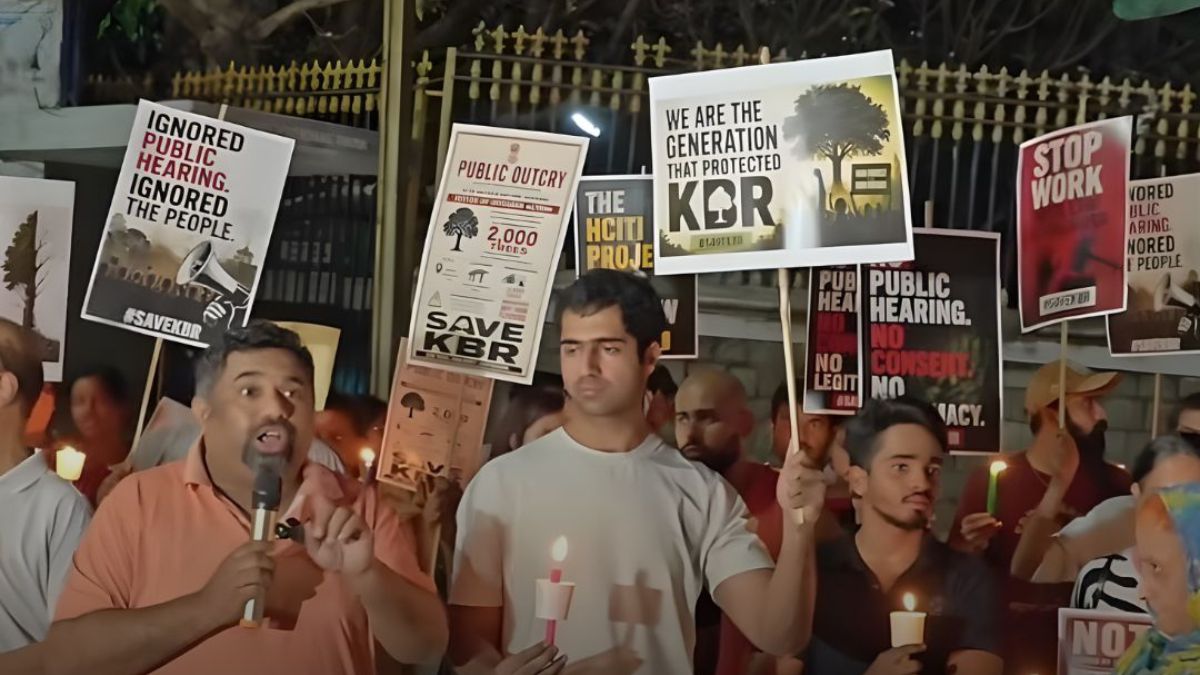
How Are Content Creators Driving the “Save KBR” Environmental Movement?
The campaign to “Save KBR” is not just an environmental plea; it’s a reflection of how storytelling, poetry, and personal expression can converge into powerful civic action.
At the heart of this movement lies a shared concern: the cost of development. As roads and highways expand, thousands of trees and the ecosystems they support, stand at risk. For many, this is no longer just about infrastructure; it’s about survival, balance, and the future of urban living.
How Are Creators Amplifying the “Save KBR” Crisis?
Creators like Sharu Latha bring a poetic lens to the issue, transforming environmental loss into something deeply personal. Her words imagine trees not as silent entities, but as witnesses, if they could speak, perhaps they wouldn’t protest loudly, but instead ask quietly to be heard before they disappear. This shift from data to emotion is what makes the message resonate.
Shaik Shaheen highlights the ecological consequences more directly, pointing to species like the Indian pangolin, one of the most trafficked animals in the world that depend on these forests. Her perspective reframes the debate: development isn’t just displacing trees, it’s threatening entire species already fighting for survival.
Are Creators Questioning Urban Development in “Save KBR”?
Tarun Oblum challenges the very foundation of urban planning decisions. Instead of building more highways to ease traffic, he argues for stronger public transport systems. His message reflects a growing sentiment among urban citizens that convenience should not come at the cost of sustainability.
Similarly, Nayana Premnath brings attention to the scale of the issue. With over 2,000 trees reportedly at risk, she questions whether such projects can truly be called “development.” Her stance is clear: irreversible environmental damage cannot be justified as progress.
Are Creators Turning “Save KBR” Into Real Action?
What makes this campaign stand out is how it bridges the gap between online content and offline action. The visuals of gatherings, protest signs, and public demonstrations show that this is more than a digital trend, it’s a community movement.
The “Save KBR” movement is emblematic of a larger shift. Today’s creators are no longer confined to entertainment or lifestyle content; they are becoming educators, activists, and amplifiers of critical issues.
As these creators remind us, the answer may depend on whether we choose to listen before the silence becomes permanent.

Save KBR: How Creators Are Driving Environmental Action

Deepinder Goyal Isn’t Launching Temple for Everyone And That’s Exactly the Point

How Alok Kejriwal Built ISH News to End India’s “Information Blackout” for the Deaf Community

A Blind Creator in Fashion School? The Story of Ashka Will Change How We See the World

What Is the Crayon Drawing Trend? How It’s Taking Over Social Media

Met Gala 2026: Indian Celebrities Who Stole the Spotlight with “Fashion Is Art” Looks

Inside Creator Saumya Sahni’s Love Story and Content Journey

Delhi High Court Steps In on Bhuvan Bam Deepfake Row: Platforms Told to Act Within 36 Hours

Munawar Faruqui Becomes a Father Again: Comedian Welcomes Baby Girl, Shares Emotional Note

15,000 KM Across India With His Dog: Yati Gaur & Butter’s Viral Travel Journey

Food Pharmer’s Cannes Look That Never Walked

Parul Gulati Wears Nish Hair on the Cannes 2025 Red Carpet

Nancy Tyagi’s 700-Hour DIY Gown Turns Heads at Cannes 2025

Navya Nanda’s IIM Ahmedabad Triumph: From Controversy to Campus Joy

Influencer Kareema’s Heartwarming Journey with Suki

Prajakta Koli and Vrishank Khanal’s Wedding

Prajakta Koli’s Haldi and Cocktail Celebrations

Prajakta Koli and Vrishank Khanal’s Pre-Wedding Celebrations

Prajakta Koli x Vrishank Khanal Magical Mehendi

Milind Soman & Ankita’s Maha Kumbh 2025 Experience

5 Contestants who stood out in Splitsvilla X16

“Sorika” Goes Viral: Niharika & Sorab’s Journey from MTV Splitsvilla to “Sheesha”

Sanju Rathod’s ‘Bangles’ Goes Viral: Next Big Hit After ‘Gulabi Sadi’?

MTV Splitsvilla X6 Controversy: Why Diksha Pawar’s Mimicry Act Sparked Massive Backlash Online

MTV Splitsvilla Fight Goes Viral: Did the Diksha vs Akanksha Clash Cross the Line?

The Athlete Behind the Viral Reel: Urmila Pabale’s Journey to Bronze

Vaazha 2: How Instagram Creators are Disrupting Malayalam Cinema

5 Spiritual Creators Making Indian Philosophy Go Viral

How Desi Creators Stole the Spotlight at Coachella’s 25 Yr Milestone
