
Biz
Micro-Drama Boom in India: Why 60-Second Stories Are Taking Over Your Screen?
India’s micro-drama wave is exploding fast, reshaping content, creators, and how audiences consume stories daily.

What Is Driving the Sudden Rise of Micro-Dramas in India?
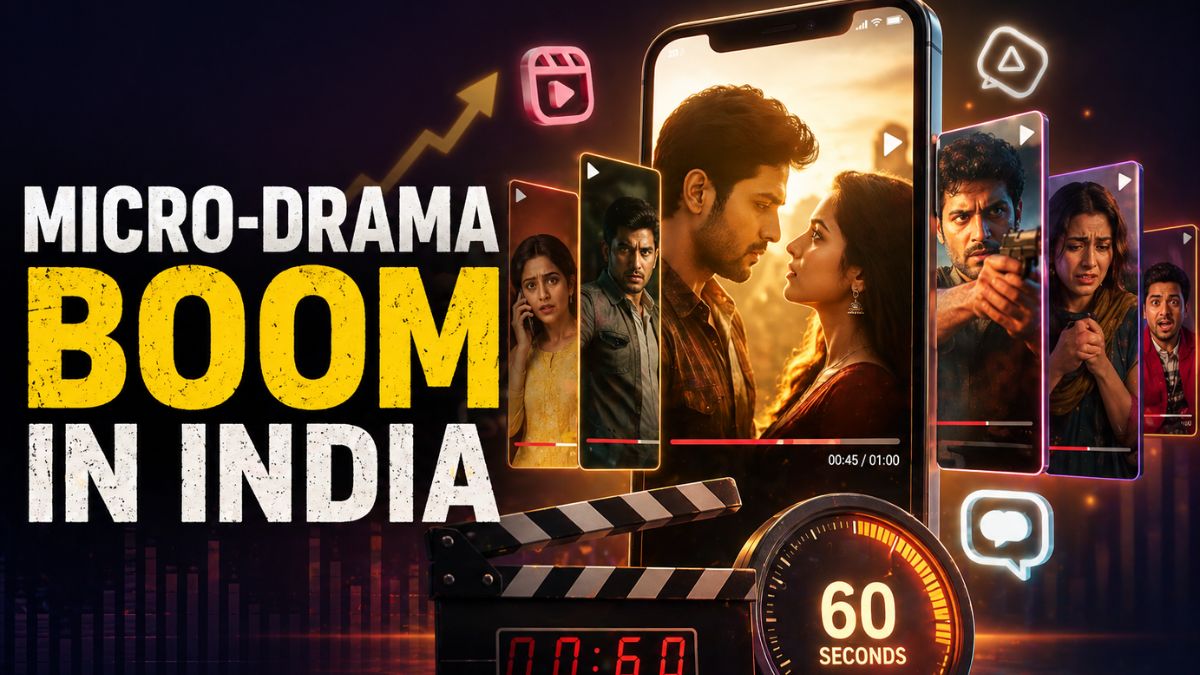
What once felt like a niche format has now turned into a full-blown content wave. Micro-dramas, typically lasting between 30 seconds and 3 minutes, are rapidly becoming one of the most consumed formats in India’s digital ecosystem. As of early 2026, this segment is already valued at around $300 million and is projected to grow beyond $4.5 billion by 2030. The scale of this growth signals a clear shift in how audiences are choosing to consume stories today.
At the core of this rise is a simple behaviour change: people want stories that are quick, intense, and easy to consume on the go.
Why Are Audiences Preferring Micro-Dramas Over Traditional OTT Content?
The answer lies in how content fits into daily life.
Nearly 70 percent of video consumption in India now happens on mobile devices. Vertical, short-form storytelling naturally aligns with this habit. Instead of investing hours into long-form series, audiences are turning to “snackable” content that delivers drama within seconds.
Micro-dramas are designed to hook viewers instantly. Most episodes include cliffhangers every 20 to 30 seconds, creating an addictive loop that keeps audiences watching multiple episodes in one sitting.
This format is especially popular in Tier 2 and Tier 3 cities, where mobile-first consumption dominates.
Also read: Influencer Economy Meets West Bengal Election Season: Poll Push Is Now a Reel Push
Which Platforms Are Leading the Micro-Drama Trend in India?
Several platforms have quickly adapted to this shift, building entire ecosystems around short-form storytelling.
Key players include:
- Flick TV
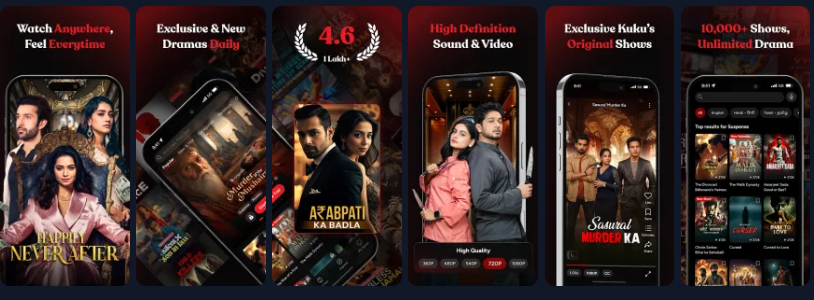
- Kuku TV and Kuku FM
- Amazon MX Player (MX Fatafat)
- Zee5 Bullet
- Story TV
Alongside these, emerging platforms like Quick TV, ReelSaga, Chai Shots, and KLIP are also gaining traction.
Collectively, these platforms have crossed over 350 million downloads, showing just how quickly the format is scaling.
What Kind of Content Works Best in Micro-Dramas?
Micro-dramas thrive on high-intensity storytelling.
The most popular genres include:
- thrillers
- revenge arcs
- intense romance
- rags-to-riches narratives
These stories are crafted for immediate emotional impact. There is little room for slow build-up. Every second is designed to keep the viewer engaged.
Interestingly, women form a significant and highly engaged part of the audience, while nearly 68 percent of viewers come from cities beyond metros.
Who Are the Creators and Production Houses Behind This Boom?
This format has opened doors for both established players and new creators.
Production houses like Balaji Telefilms, Chai Bisket, and emerging studios such as Reeloid are actively investing in micro-drama storytelling. Independent creators and directors like Anish Surana and Saumitra Singh are also shaping this space.
Writers such as Alka Shukla are contributing to multiple platforms, while creators like Prajakta Koli, Dolly Singh, and RJ Karishma are experimenting with the format.
The entry barrier is lower, production cycles are faster, and costs are significantly reduced, sometimes up to 70 to 90 percent cheaper than traditional OTT series.
What Are the Top Micro-Drama Shows Trending Right Now?
While the ecosystem is still evolving, a few formats and shows are consistently driving engagement across platforms:
- High-drama romance series on Kuku TV
- Thriller-based episodic content on MX Fatafat
- Regional revenge dramas on Zee5 Bullet
- Creator-led storytelling formats on ReelSaga
- Brand-backed narratives like AJIO’s “Suit Yourself”
These shows combine storytelling with platform-specific strategies, ensuring high retention and repeat viewing.
Also read: India’s Creator Economy Is Booming But Broken Payments Are Becoming Its Biggest Bottleneck
How Are Brands and Marketers Using Micro-Dramas?
Brands are increasingly entering this space not just as sponsors, but as storytellers.
Campaigns like AJIO’s micro-drama series show how brands are blending entertainment with marketing. Instead of traditional ads, they are creating narrative-driven content that audiences willingly engage with.
This shift is turning micro-dramas into a powerful tool for creator commerce and brand integration.
How Do Micro-Dramas Compare to OTT Platforms Today?
While OTT platforms still dominate in revenue and paying users, micro-dramas are catching up rapidly in reach and engagement.
Micro-drama platforms have:
- over 450 million downloads
- around 100 million active users
However, their monetisation is still evolving, with fewer paying users compared to OTT platforms.
The real strength lies in engagement. These formats are built for repeat consumption, making them highly valuable in the long term.
Why Is This Format So Addictive for Viewers?
Micro-dramas are engineered for retention.
Short duration, constant plot twists, and emotional highs ensure that viewers rarely stop at one episode. Around 18 percent of users fall into the “high-intent” category, meaning they actively binge and even pay to unlock further episodes.
This behaviour mirrors gaming and social media patterns, making micro-dramas a hybrid of entertainment and habit.
What Is The Reelstars Planning With “The Real Take”?
Amid this growing wave, The Reelstars is stepping in with a focused initiative. “The Real Take by The Reelstars” is not just about reviewing micro-dramas; it is a dedicated series that breaks down what to watch and what to skip. The format leans into honest, personal opinions while staying neutral and transparent, giving audiences a clearer sense of what actually works.
Instead of surface-level reactions, the series looks at storytelling, engagement patterns, and emerging trends within micro-dramas. The idea is simple: help viewers make better content choices while also decoding why certain formats click. With this, The Reelstars is positioning itself as a credible voice in the micro-drama space, balancing consumption with genuine, no-fluff insight.
What Does the Future of Micro-Dramas Look Like in India?
The trajectory is clear.
Micro-dramas are no longer just an experimental format. They are becoming a parallel entertainment industry, driven by creators, platforms, and changing audience behaviour.
As production becomes faster, stories become sharper, and platforms expand regionally, this format is expected to redefine how India consumes entertainment.
The real question now is not whether micro-dramas will grow, but how quickly they will reshape the entire content ecosystem.

Budding Creator Krisha Shah Sparks Debate After Sharing Her View On Abortion And Down Syndrome

Major Rishabh Singh Sambyal Goes Viral as 1,000+ Fans Subscribe to His Instagram Content

Shantanu Deshpande Calls Out ‘Unprofessional’ Influencers

Prajakta Koli Becomes First Indian To Judge UN SDG Action Awards

Snapchat India Partners With Qoruz To Make Creator Discovery Easier For Brands

The Traitors 2 Reunion Was Full Of Kalesh, Confrontations And Long-Pending Answers

Swatantra Bhardwaj Sent to 14-Day Judicial Custody in Jantar Mantar Assault Case

Hardik Arora Teams Up With Meta for a Micro-Drama Series

Amazon Launches Creator Connections in India to Connect Creators With Brand Campaigns

Telugu YouTuber Ramana Nandana Detained at Hyderabad Airport Over Alleged UK Job Fraud

Food Pharmer’s Cannes Look That Never Walked

Parul Gulati Wears Nish Hair on the Cannes 2025 Red Carpet

Nancy Tyagi’s 700-Hour DIY Gown Turns Heads at Cannes 2025

Navya Nanda’s IIM Ahmedabad Triumph: From Controversy to Campus Joy

Influencer Kareema’s Heartwarming Journey with Suki

Prajakta Koli and Vrishank Khanal’s Wedding

Prajakta Koli’s Haldi and Cocktail Celebrations

Prajakta Koli and Vrishank Khanal’s Pre-Wedding Celebrations

Prajakta Koli x Vrishank Khanal Magical Mehendi

Milind Soman & Ankita’s Maha Kumbh 2025 Experience

Could Bilibili Be the Next Creator Opportunity for Indians?

Rohit Sukheja and Kanupriya Gupta Hit 5 Billion YouTube Views

China’s Bilibili Goes Global, Taking Aim at YouTube and Gen Z

R Udhay Is Helping Creators Level Up Their Content With Editing, AI & Instagram Tips

A YouTuber Begged For A Day And Earned ₹4000. Here’s What Happened

Rebel Kid Taking Her Journey From Social Media To Columbia University

Meet RJ Parima Jain, The Former Radio Mirchi Host Building Her Own Digital Creator Journey

AI Content Creator Platform Creedom Raises ₹4.1 Crore in Seed Funding

Poonam Singh Is Turning Everyday Gen-Z Chaos Into Relatable Content
