
Food
Why Harsh Goenka’s Viral Praise for Odia Food Has the Internet Suddenly Craving Dahi Bara and Chakuli Pitha
A simple homemade Odia meal shared by Harsh Goenka has sparked fresh internet curiosity around Odisha’s food culture.

Why Is Odia Cuisine Suddenly Trending Online?
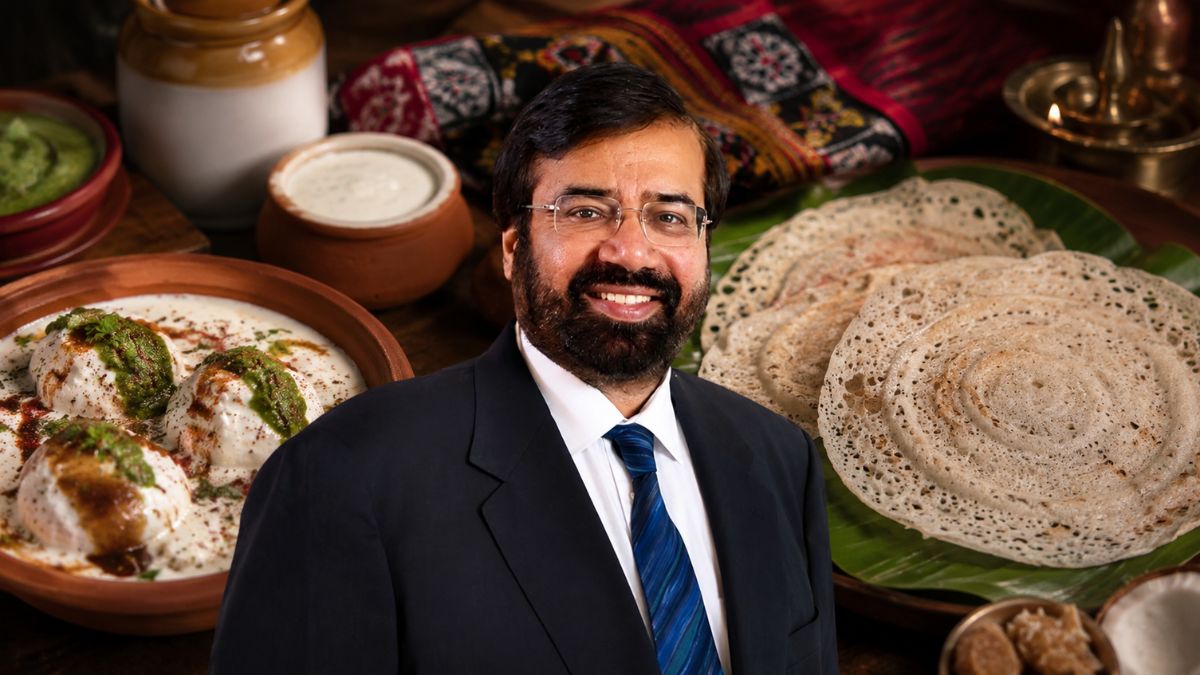
Indian food conversations online usually revolve around familiar favourites, butter chicken, biryani, dosa, Bengali sweets, or spicy street food. But recently, Odisha’s traditional cuisine unexpectedly entered the spotlight after industrialist Harsh Goenka shared his admiration for a homemade Odia meal on social media. His post quickly went viral, not because of luxury dining or celebrity chefs, but because of something much simpler: Balance, freshness and traditional home-style cooking. Goenka wrote that Odia cuisine deserves “a much bigger place” in Indian food conversations and praised its restraint compared to richer cuisines overloaded with cream, butter, or heavy spice. That one statement sparked widespread curiosity online, with many users calling Odisha one of India’s most underrated food cultures.
Indian cuisine conversations often revolve around Punjabi, South Indian or Bengali food. Odiya cuisine deserves a much bigger place on that table.
— Harsh Goenka (@hvgoenka) May 10, 2026
What struck me most was its restraint. No overload of cream, butter or chillies. Just balance, mustard, fermentation, texture and… pic.twitter.com/uaf18cV6AW
What Did Harsh Goenka Eat That Started the Conversation?
According to his post, the businessman was served a homemade Odia spread featuring several traditional dishes deeply rooted in Odisha’s culinary identity.
The meal included:
- Dahi Bara Aloo Dum
- Drumstick-Brinjal Besara
- Chhena Tarkari
- Chakuli Pitha
- Aloo Patra Besara
Instead of describing the food as “rich” or “spicy,” Goenka highlighted how balanced and subtle the flavours felt. He specifically appreciated the use of mustard, fermentation, texture, and freshness in the dishes.
That perspective resonated strongly because it contrasted sharply with how Indian food is usually represented online.
You might also like: Ritesh Agrawal Celebrates India’s Heroes in His New Talk Show
Why Are People Calling Odia Cuisine Underrated?
A large part of the internet discussion focused on how Odisha’s food traditions rarely receive the same mainstream visibility as Punjabi, South Indian, or Bengali cuisines, despite having a deeply rich culinary history.
Unlike restaurant-heavy food cultures built around indulgence, Odia cuisine often focuses on:
- seasonal ingredients
- fermentation
- slow cooking
- minimal spice overload
- nutritional balance
- earthy flavours
Many dishes rely heavily on mustard paste, vegetables, rice, lentils, and traditional cooking techniques that feel both comforting and healthy.
For many food lovers online, Goenka’s post felt like overdue recognition for a cuisine that quietly existed outside mainstream internet food culture for years.
Also Read: Food Micro-Influencers Taking You on a Regional Indian Culinary Journey!
What Makes Dahi Bara Aloo Dum and Chakuli Pitha So Special?
After the post went viral, two dishes especially started attracting attention online:
Dahi Bara Aloo Dum and Chakuli Pitha. Dahi Bara Aloo Dum is one of Odisha’s most iconic street foods, especially popular in cities like Cuttack and Bhubaneswar. The dish combines soft lentil dumplings soaked in curd with spicy potato curry, creating a balance of cooling and spicy flavours together.
Meanwhile, Chakuli Pitha is a fermented rice-and-lentil pancake somewhat similar to dosa but with its own texture and regional identity. It is often eaten during breakfast alongside curries or chutneys.
Social media users unfamiliar with Odia cuisine began actively searching for recipes, food vlogs, and local restaurants serving these dishes after the conversation spread online.
How Is Jagannath Temple Connected to Odisha’s Food Culture?
One of the biggest reasons Odisha’s cuisine carries such a strong cultural identity is its connection to the Jagannath Temple and its famous Mahaprasad traditions.
The temple kitchen, considered among the largest temple kitchens in the world, has influenced Odia cooking practices for generations. Traditional clay-pot cooking, wood-fired preparation methods, and satvik-style meals continue to shape many regional dishes even today.
After Goenka’s post, several users online shared memories of eating Mahaprasad or Abhada in Puri, calling it one of the most unforgettable food experiences in India.
That emotional and spiritual connection adds another layer to Odisha’s food identity beyond just taste.
Why Does This Viral Food Conversation Matter?
Because it reflects a larger shift happening online.
Regional Indian cuisines that were once overlooked are finally finding space through social media conversations, creator culture, travel food content, and digital storytelling. Instead of only celebrating highly commercialised food trends, audiences are becoming more curious about authentic regional cooking traditions.
In many ways, Harsh Goenka’s post did not just praise Odia food.
It reopened a conversation around how many Indian culinary cultures still remain underrepresented despite carrying generations of history and technique.
And judging by the internet’s reaction, a lot more people now want a seat at Odisha’s food table.

Exclusive: Chhote & Aandu: The Couple Behind Billions of Views, Viral Reels and an Unfiltered Creator Life

Vir Das Gets Third International Emmy Nomination For ‘Fool Volume’

Why Is MrBeast Back in India? Is His India Connect Getting Bigger in 2026?

Darshan Magdum To Finally Arrive In US As Boy Throb Announces Free Darshan Day Event

Mirabai Chanu Wins Silver At Asian Games 2026, Ends India’s 28-Year Wait For Weightlifting Medal

MS Dhoni Becomes SpeakX Brand Ambassador For English Learning Campaign

Adam Mosseri Reveals Instagram Trial Reels Rule That Could Limit Your Reach

Ranveer Allahbadia Takes Gen Z Inside India’s Space-Tech Boom With Skyroot Visit

7 Indian States Using Creators To Promote Tourism, Culture And Government Schemes

Shru Gaming: The Mom Gamer Proving Gaming And Motherhood Can Coexist

Food Pharmer’s Cannes Look That Never Walked

Parul Gulati Wears Nish Hair on the Cannes 2025 Red Carpet

Nancy Tyagi’s 700-Hour DIY Gown Turns Heads at Cannes 2025

Navya Nanda’s IIM Ahmedabad Triumph: From Controversy to Campus Joy

Influencer Kareema’s Heartwarming Journey with Suki

Prajakta Koli and Vrishank Khanal’s Wedding

Prajakta Koli’s Haldi and Cocktail Celebrations

Prajakta Koli and Vrishank Khanal’s Pre-Wedding Celebrations

Prajakta Koli x Vrishank Khanal Magical Mehendi

Milind Soman & Ankita’s Maha Kumbh 2025 Experience

Meta One Launches With Paid AI, Creator Tools And New Features Across Instagram, Facebook And WhatsApp
Adam Mosseri Reveals Instagram Trial Reels Rule That Could Limit Your Reach

ScoutOP Reveals ₹30 Lakh Monthly Income

AI Content Creator Platform Creedom Raises ₹4.1 Crore in Seed Funding

Snoop Dogg Has the Job We All Secretly Want: ₹10 Lakh A Month to Eat Ice Cream

R Udhay Is Helping Creators Level Up Their Content With Editing, AI & Instagram Tips

Internet Famous Golden Retriever Tucker Budzyn Diagnosed With Lymphoma

Is Saurav Joshi Really Entering GTA VI? Here’s What We Found

Visha Khandelwal’s 2-Minute Reel Crosses 500K Views With Just a Personal Story
