
Entertainment
Urvashi Rautela Slams Viral AI Ranking Post, Calls Out Toxic Fan Wars Between Women
After a viral AI-generated image sparked backlash online, Urvashi Rautela spoke about fan toxicity, comparisons, and AI misuse.

Why Is Urvashi Rautela’s Reaction Going Viral?
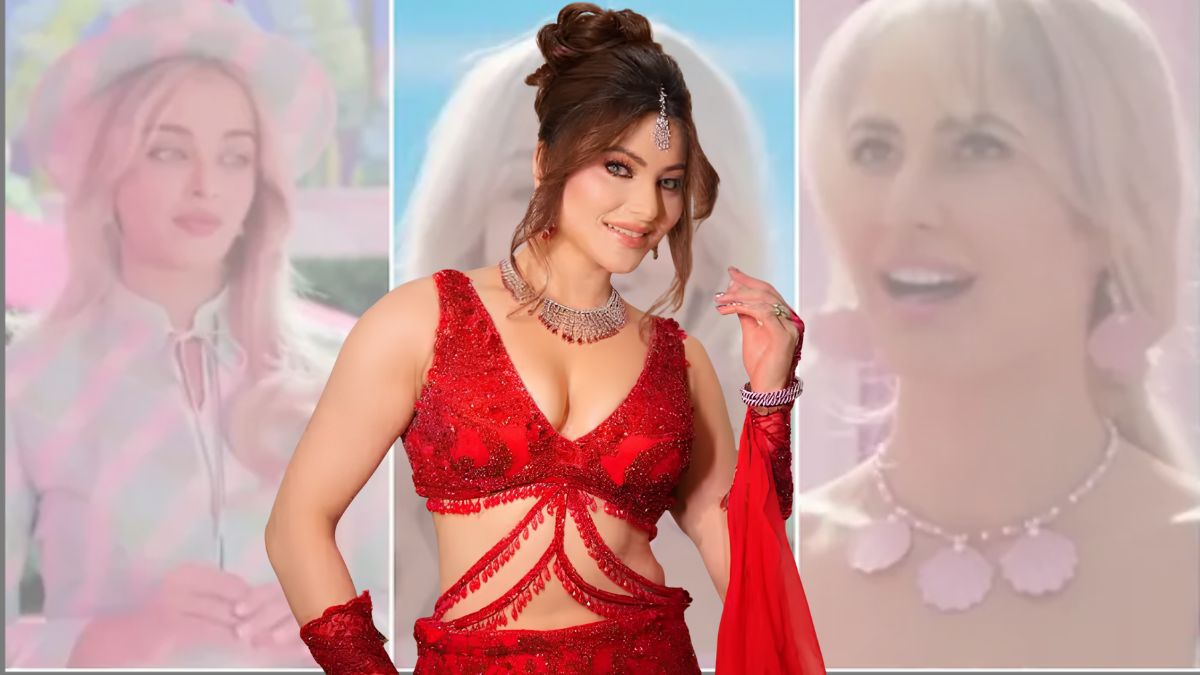
Urvashi Rautela has strongly reacted to a viral AI-generated image that compared multiple Bollywood actresses based on “global fame” rankings. The image quickly spread across social media platforms and triggered criticism for the way it visually positioned several women actors against each other. What especially upset many viewers online was the image’s presentation style. While some actresses were shown seated in positions symbolising power and status, others were placed kneeling below them with name labels attached. The internet immediately began debating not only fan culture but also how AI-generated visuals are increasingly being used to create toxic celebrity narratives online.
After the image gained traction, Urvashi reshared it on Instagram Stories and openly criticised the negativity surrounding such comparisons.
What Did Urvashi Rautela Say About The Viral AI Image?
Reacting to the image, Urvashi said people should stop creating negativity among women through fan wars and online comparisons.
“I truly believe every actress has her own journey, hard work, and destiny. Comparing women or creating fan wars only spreads negativity. Let’s celebrate talent, growth, and kindness instead. Please stop this toxicity,” she wrote.
Her response quickly started gaining attention because many users felt she addressed a growing problem across internet culture today:
constant comparison between women in entertainment.
The viral image reportedly included actors such as Aishwarya Rai Bachchan, Priyanka Chopra Jonas, Deepika Padukone, Alia Bhatt, Katrina Kaif, Kareena Kapoor Khan, and others.
Many social media users pointed out that fan-created rankings often stop being harmless entertainment once they begin humiliating or degrading individuals visually.
Why Are AI-Generated Celebrity Posts Becoming A Bigger Problem?
The controversy also highlights a much larger internet issue:
AI-generated celebrity content is spreading faster than ever.
Today, fan pages and anonymous accounts can easily generate: fake ranking visuals, deepfake videos, edited interviews, synthetic voice clips and manipulated celebrity images within minutes using AI tools.
While some users treat these posts as harmless entertainment, others argue that they often encourage harassment, misinformation, and unhealthy fan behaviour online. The biggest concern is that AI-generated content frequently spreads emotionally before audiences even verify whether it is authentic, manipulated, or intentionally provocative.
That speed makes AI-driven misinformation especially powerful inside celebrity culture.
Have Other Creators And Celebrities Faced Similar AI Misuse?
Yes, and the problem has been growing rapidly across both Bollywood and creator culture. Over the last year, several celebrities, influencers, and creators have spoken about: AI-edited fake videos, deepfake advertisements, voice cloning and manipulated visual content circulating online without permission.
Globally, creators, including Taylor Swift, faced massive online controversy after explicit AI-generated images spread across social media platforms. Meanwhile, Indian creators and influencers have also reported fake promotional clips and edited visuals being created using their identities.
Even podcasters and YouTubers are now seeing AI-generated clips where their voices are cloned to promote products or fake opinions they never actually endorsed.
As AI tools become easier to access publicly, internet users are increasingly questioning where platforms should draw the line between creativity, satire, and harmful manipulation.
Why Do Fan Wars Around Female Celebrities Become So Toxic Online?
One major reason these controversies escalate quickly is that celebrity fandom culture increasingly operates like online tribalism.
Fans often treat actresses, creators, singers, or influencers like competing teams rather than individual artists with separate careers and journeys. Rankings, comparisons, “better than” debates, and viral edits are now common across platforms like Instagram, X, Reddit, and TikTok-style communities.
Women celebrities especially tend to face more appearance-based comparisons online. Internet conversations frequently shift toward beauty, relevance, global fame, relationships, fashion, or age instead of actual work itself.
That is exactly why Urvashi’s response resonated with many users who felt the conversation had become unnecessarily degrading. Many viewers online agreed that celebrating one actress should not require insulting another.
What Did Urvashi Rautela Say At Cannes 2026?
Apart from the AI controversy, Urvashi was also among the Indian celebrities attending the Cannes Film Festival 2026 this year.
During a red carpet interaction, she spoke about representing India globally and said that whenever she represents the country internationally, she feels she is representing India beyond her own identity.
She attended the festival wearing a design by the Vietnamese label JoliPoli during the opening ceremony.
This year’s Cannes festival also saw continued participation from several Indian actors and creators, including Aishwarya Rai Bachchan, who continued her long-standing association with L’Oréal Paris, and Alia Bhatt, who returned to the festival as a brand ambassador.
Why Is This Conversation Bigger Than Just One Viral Post?
What happened with this AI-generated image is no longer just about one celebrity comparison post anymore.
It reflects a much larger internet reality where AI tools, fan culture, algorithm-driven outrage and celebrity obsession are increasingly blending together online. The controversy also raises important questions around digital ethics, AI misuse, online harassment, and how audiences consume celebrity culture itself.
As AI-generated content becomes more realistic and easier to create, internet platforms may face growing pressure to improve moderation systems and clearly identify manipulated media.
Because today, one viral AI image is enough to shape public narratives, trigger online wars, and influence millions of people before facts or context even enter the conversation.

Ankush Bahuguna Brings His Signature Style to Lakmē Fashion Week Grand Finale

Madhuri Dixit Hosts Marathi KBC: Why Regional Content Is a Growth Opportunity for Brands

How Swiggy Instamart Turned a Viral Influencer’s COD Nightmare Into a Marketing Win

Meet Nishant Kerketta: The Jharkhand Farmer Turning His Village Into a Fashion Runway

Who Is Yung DSA? The Pune Rapper Who Went From a BPO Job to Bigg Boss 20

Niharika Tiwari Takes Charge in Rise & Fall 2, Eliminates Shehzad Poonawalla and Irina Rudakova

Sania Mistry Deepfake Case: Maharashtra Cyber Acts Against AI-Manipulated Images

YouTube’s Gunjan Soni Says India’s Creator Economy Is Evolving Into a Global Media Powerhouse

Navratri Outfit Inspiration: Creators Who Understood the Festive Assignment

Rowhi Rai Buys Her Own House: How Northeast India’s Creators Are Building Their Own Success Stories

Food Pharmer’s Cannes Look That Never Walked

Parul Gulati Wears Nish Hair on the Cannes 2025 Red Carpet

Nancy Tyagi’s 700-Hour DIY Gown Turns Heads at Cannes 2025

Navya Nanda’s IIM Ahmedabad Triumph: From Controversy to Campus Joy

Influencer Kareema’s Heartwarming Journey with Suki

Prajakta Koli and Vrishank Khanal’s Wedding

Prajakta Koli’s Haldi and Cocktail Celebrations

Prajakta Koli and Vrishank Khanal’s Pre-Wedding Celebrations

Prajakta Koli x Vrishank Khanal Magical Mehendi

Milind Soman & Ankita’s Maha Kumbh 2025 Experience

YouTube Shorts Changes Repost Rules: What Creators Need To Know About Original Content

YouTube Is Letting Creators See What Works for Their Competitors

Adam Mosseri Reveals Instagram Trial Reels Rule That Could Limit Your Reach

What Is Meta’s New “Muse” AI And Why Are Users Seeing It?

Roopali Agrawal aka Rockonroops Turning Family Life Into Conversations On Fashion, Freedom And Safety

Technical Guruji’s iPhone 18 Pro Max Giveaway: Nearly 100 Phones And A Big Question About The Cost

Eloelo Launches Dolphin AI: Will AI Video Tools Change The Future Of Creators And Filmmakers?

Is Orry Getting Married? Close Friends Story Sparks Questions As His Past Wedding Rumours Resurface

Why Is MrBeast Back in India? Is His India Connect Getting Bigger in 2026?
