
Biz
Top Indian Creators Who Turned Content into Companies

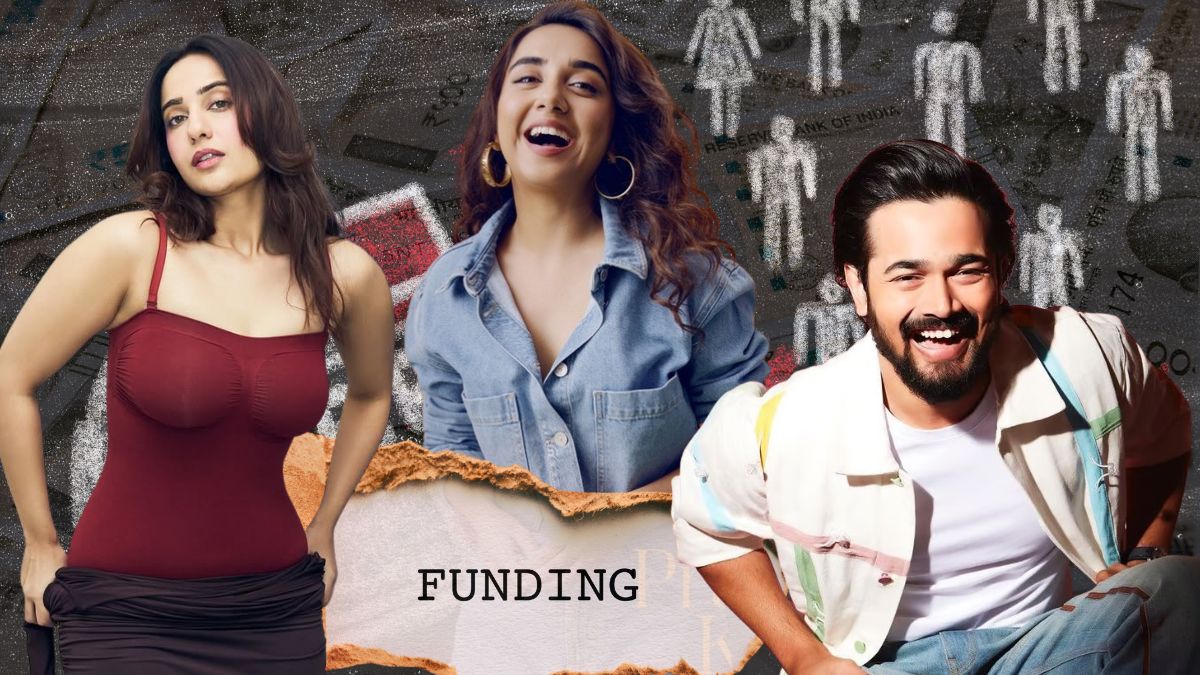
India’s creator economy has crossed its tipping point. What began as brand deals and sponsored posts has matured into something far more durable: creator-led businesses. Today’s influencers are no longer just selling products. They are designing, manufacturing, funding, and scaling them. With the Indian creator economy projected to contribute USD 6 billion by 2030, creators are following a clear path: advertising → subscriptions → commerce. From fashion and beauty to home, shapewear, tech, and merch, these creators are proving that community is the strongest form of capital.
Below is a detailed look at Indian creators who didn’t just build audiences, but built companies.
Kusha Kapila — UnderNeat
Followers: 4.1M (personal), 176K+ (UnderNeat in 48 hours)
Funding: INR 8–10 crore (seed)
Investors: Fireside Ventures, Ghazal Alagh
Kusha Kapila’s leap from creator to founder was swift and strategic. Her shapewear brand UnderNeat positions itself as mass-premium, offering quality products priced 30–40% lower than international competitors like Skims.
What UnderNeat sells:
- Shapewear: corsets, waist cinchers, body shapers
- Outerwear: leggings, shorts, T-shirts
- Upcoming: swimwear, loungewear, accessories
Why it scales:
- Built for Indian bodies, climates, and price sensitivity
- D2C-first with offline premium retail tie-ups
- Influencer-led storytelling without looking like ads
UnderNeat isn’t just selling shapewear. It’s selling comfort without compromise, and investors noticed.
Bhuvan Bam — Youthiapa
Followers: 20.2M+ (Instagram)
Category: Merchandise & apparel
Bhuvan Bam transformed BB Ki Vines into Youthiapa, one of India’s earliest and most successful creator merch brands. Graphic tees, hoodies, phone cases and accessories borrow directly from his characters and catchphrases.
Why it works:
- Deep emotional recall
- Community-first humour
- Demand was so high that the site crashed at launch
Youthiapa proved that storytelling converts.
Also read: Views Over Followers: The New Creator Playbook Taking Over Instagram
Prajakta Koli — Merch Garage
Category: Apparel, diaries, keepsakes
Prajakta’s Merch Garage mirrors her voice: warm, self-aware, and deeply relatable. Her 2024 “Fictional Men” collection, inspired by romance novels, showed how niche passions can still scale when trust is high.
Why it works:
- Emotion over trend
- Comfort-first design
- Products that feel personal, not promotional
Nikhil Sharma — Label MN
Category: Streetwear
Founded: 2018
Business Model: D2C merchandise
Label MN emerged as a natural extension of Nikhil Sharma’s identity as a travel-first creator. The brand focused on functional streetwear designed for movement, long rides, and everyday exploration. Graphic tees and hoodies carrying messages like “Keep Riding” mirrored the philosophy that built his YouTube audience.
How it scaled:
- Leveraged YouTube-led traffic instead of paid ads
- Limited drops to manage inventory risk
- High recall value due to creator-led storytelling
Current status:
While Label MN is not aggressively scaled today, it stands as one of India’s early examples of a creator converting lifestyle into commerce, paving the way for later creator brands.
Sejal Kumar — Sejal Merchandise
Category: Lifestyle merchandise
Business Model: D2C
Sejal Merchandise grew alongside Sejal Kumar’s evolution from a college creator to a multi-genre digital personality. The brand focuses on emotion-led products rather than trend-driven fashion.
Product mix:
- T-shirts, hoodies
- Tote bags, mugs, phone covers
- Messaging centred around confidence and self-expression
How it scales:
- Strong community conversion from long-form YouTube
- Products act as identity markers rather than apparel
- Lower operational complexity keeps margins stable
The brand succeeds because it doesn’t chase fashion cycles. It sells belonging.
Juhi Godambe — Arabella
Category: Luxury resort wear
Founded: 2015
Positioning: Premium, slow-fashion
Arabella predates the current creator-brand wave and operates closer to a traditional fashion house than influencer merch. Juhi Godambe’s education at the London College of Fashion shaped the brand’s structured approach to design and sourcing.
Key strengths:
- In-house craftsmanship
- Sustainable production practices
- Strong offline and global consumer base
How it scaled:
- Built credibility before influencer commerce became mainstream
- Focused on product quality over social virality
- Positioned as a lifestyle label, not a creator brand
Arabella proves that fashion-first brands with creator founders can outlive trends.
Gaurav Taneja — Mera Merch
Category: Apparel & accessories
Business Model: D2C merchandise
Mera Merch capitalised on Gaurav Taneja’s credibility across fitness, aviation, and motivation. The brand doesn’t rely on novelty but on shared values.
What it sells:
- T-shirts, hoodies, accessories
- Messaging tied to discipline, effort, and resilience
How it scales:
- Strong repeat buyers from a loyal fanbase
- Content-led launches reduce marketing costs
- High trust factor offsets product commoditisation
Mera Merch functions as a community uniform, not a fashion label.
BeYouNick — KRA
Category: Streetwear
Positioning: Urban, expressive, youth-led
KRA channels BeYouNick’s roots in hip-hop culture, gaming, and street expression. The brand deliberately avoids mass fashion language and instead targets a niche audience that values individuality.
How it scales:
- Drop-based launches create scarcity
- Strong Gen Z resonance through cultural alignment
- Visual identity mirrors the creator’s content style
KRA survives because it knows who it is not for.
Deeksha Khurana — DeeClothing
Category: Oversized, unisex streetwear
Founded: 2020
Co-founders: Deeksha Khurana & Kritika Khurana
DeeClothing focuses on comfort-first fashion, reflecting the founders’ everyday style rather than runway trends.
Product philosophy:
- Oversized fits
- Gender-neutral silhouettes
- Affordable pricing
How it scales:
- Instagram-led discovery
- Consistent restocks instead of hype drops
- Accessible fashion reduces return friction
DeeClothing works because it removes complexity from buying decisions.
Alicia Souza — The Alicia Store
Category: Stationery, home, apparel
Founded: 2012
Business Model: Print-on-demand + handcrafted products
The Alicia Store evolved from illustrations into a full-fledged lifestyle brand. Each product retains Alicia Souza’s hand-drawn storytelling, preserving authenticity at scale.
How it scales:
- POD reduces inventory risk
- Strong gifting economy demand
- Loyal repeat buyers over viral spikes
This is a rare example where art didn’t dilute with commerce.
Masaba Gupta — House of Masaba
Category: Fashion, beauty, lifestyle
Stake: 51% acquired by ABFRL (2022)
House of Masaba is no longer just a creator-led brand; it is a corporate-backed fashion powerhouse. The brand spans apparel, bridal wear, accessories, and beauty.
Why it scaled:
- Strong design differentiation
- Cultural storytelling as brand equity
- Strategic acquisition enabled national retail expansion
Masaba represents the endgame of creator-led fashion: institutional scale.
Aashna Shroff — Snob Home
Category: Home décor
Extension brand
Snob Home translates Aashna Shroff’s visual aesthetic into interior products, completing her lifestyle ecosystem.
How it scales:
- Cross-selling with fashion content
- Aspirational but accessible design
- Trust-driven conversions from long-term followers
The brand succeeds because it feels like stepping into the creator’s home.
Nupur Sanon — Label Nobo
Category: Women’s apparel & accessories
Meaning: No Boundaries
Label Nobo blends bohemian, Indian, and western influences, reflecting Nupur Sanon’s personal style rather than seasonal fashion.
How it scales:
- Versatile collections with longer shelf life
- Creator-led styling builds relatability
- Clear brand philosophy guides design decisions
Label Nobo thrives on identity consistency, not volume.
Bigger Pattern: Why These Brands Work
- Trust reduces CAC
- Community replaces paid distribution
- Creator storytelling compresses go-to-market time
- Brands scale when they solve personal problems first
These businesses aren’t side hustles. They are infrastructure built on attention.
Influencers are no longer just part of the marketing funnel.
They are the funnel.
And as funding, manufacturing, and D2C infrastructure catch up, creator-led brands aren’t a trend.
They’re the next chapter of India’s startup story.

From Product Experiments To A YouTube Award: Mohit Burad’s Six-Year Creator Journey

Amazon Best In Tech Awards 2026: Here Are The Winners Across Cameras, Wearables, Audio And More

Tarini Shah Gets A Call From Meta And Flies Across The World For A Major Event

From IIT Kanpur To Japan’s Cricket Team: Meet Abhishek Anand

From YouTube Classes To Now Southern India: Alakh Pandey’s PhysicsWallah Expands Its Reach

Is Orry Getting Married? Close Friends Story Sparks Questions As His Past Wedding Rumours Resurface

Flying Beast Gaurav Taneja’s Pet Mau Reportedly Dies; Social Media Posts Raise Questions About His Final Days

Technical Guruji’s iPhone 18 Pro Max Giveaway: Nearly 100 Phones And A Big Question About The Cost

From a Piggy Bank to a Rs 14 Lakh Portfolio: Meet Sinchana Santosh, the 15-Year-Old Making Financial Literacy Her Mission

Creators Kshitiz And Shivangi Welcome Their Baby Girl

Food Pharmer’s Cannes Look That Never Walked

Parul Gulati Wears Nish Hair on the Cannes 2025 Red Carpet

Nancy Tyagi’s 700-Hour DIY Gown Turns Heads at Cannes 2025

Navya Nanda’s IIM Ahmedabad Triumph: From Controversy to Campus Joy

Influencer Kareema’s Heartwarming Journey with Suki

Prajakta Koli and Vrishank Khanal’s Wedding

Prajakta Koli’s Haldi and Cocktail Celebrations

Prajakta Koli and Vrishank Khanal’s Pre-Wedding Celebrations

Prajakta Koli x Vrishank Khanal Magical Mehendi

Milind Soman & Ankita’s Maha Kumbh 2025 Experience

Meta One Launches With Paid AI, Creator Tools And New Features Across Instagram, Facebook And WhatsApp

Could Bilibili Be the Next Creator Opportunity for Indians?

A YouTuber Begged For A Day And Earned ₹4000. Here’s What Happened

AI Content Creator Platform Creedom Raises ₹4.1 Crore in Seed Funding

ScoutOP Reveals ₹30 Lakh Monthly Income

R Udhay Is Helping Creators Level Up Their Content With Editing, AI & Instagram Tips

Poonam Singh Is Turning Everyday Gen-Z Chaos Into Relatable Content

Internet Famous Golden Retriever Tucker Budzyn Diagnosed With Lymphoma

Snoop Dogg Has the Job We All Secretly Want: ₹10 Lakh A Month to Eat Ice Cream
