
Fashion
How Boito Turned Odisha’s Tribal Textiles Into A Global Luxury Fashion Story
Boito is taking Odisha’s tribal textile from villages to global luxury fashion while reviving indigenous artisan communities.

Why Is Boito’s Story Becoming So Important In India’s Fashion Industry?
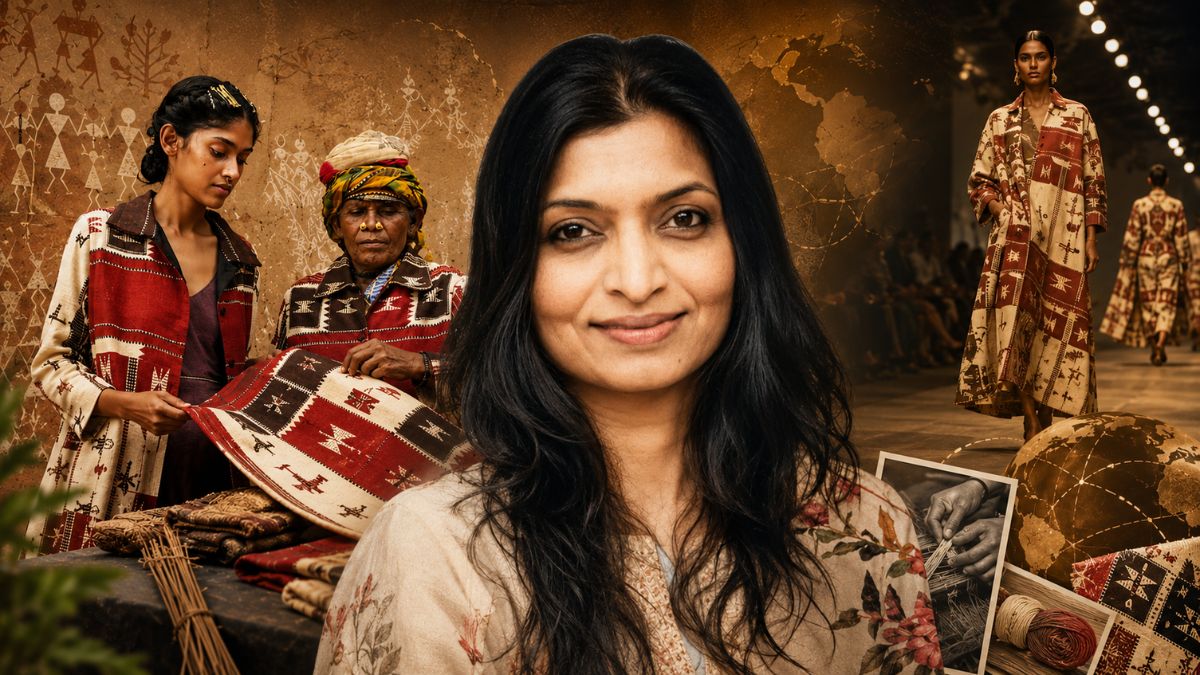
For years, global luxury fashion borrowed heavily from indigenous art and handcrafted textiles while many Indian tribal artisans struggled for survival. In Odisha, centuries-old weaving traditions rooted in culture, forests, rituals, and identity slowly began disappearing due to fast fashion and shrinking markets. But one woman decided to change that story. After spending 17 years in the corporate world, Richa Maheshwari travelled through Odisha and discovered something she felt the world had completely overlooked. Hidden inside remote tribal communities were master artisans creating textiles unlike anything seen in global luxury fashion. The craftsmanship was extraordinary, but the artisans themselves remained invisible.
Instead of walking away, she decided to build a bridge between indigenous craft and modern luxury. That decision eventually led to the birth of Boito.
You might also like: 5 Creators Putting India’s Most Underrated Region on the Travel Map
What Is Boito And Why Is It Different From Regular Fashion Brands?
Boito is not just a clothing label. It is a platform built around preserving Odisha’s indigenous textile traditions while transforming them into globally relevant fashion.
What makes the brand stand out is that it does not try to modernise the craft by erasing its identity. Instead, it keeps the original weaving traditions intact and reimagines how they are presented to the world. The textiles still carry their original stories.
Birds, trees, tribal symbols, spiritual motifs, and forest-inspired patterns remain woven into every fabric. The difference is that these traditional weaves are now being turned into trench coats, jackets, contemporary silhouettes, and luxury fashion pieces that can exist on international runways as easily as they belong in Odisha’s villages.
Boito works with multiple indigenous weaving traditions from Odisha, including:
- Khandua silk from Nuapatna
- Kapagandha textiles created by the Dongria Kondh tribe
- Ringa garments traditionally worn by the Bonda community
Each textile carries cultural meaning far beyond aesthetics. These fabrics represent identity, rituals, memory, and survival for tribal communities that have preserved these techniques for generations.
You might also like: This Mother’s Day, Meet Janak Palta: The 78-Year-Old “Mother of Sustainability” Living Without Waste or Electricity Bills
How Did Richa Maheshwari Earn The Trust Of Tribal Communities?
Many tribal artisans had already seen outsiders commercialise their craft without giving proper recognition or sustainable income back to the communities. Because of this, earning trust took years of patience and relationship-building.
Richa Maheshwari travelled repeatedly to remote villages across Odisha, spending time with artisans directly instead of approaching them only as suppliers. She listened, learned the techniques from the communities themselves, and focused on collaboration rather than extraction.
Instead of changing the craft to fit urban markets, Boito changed how people perceived the craft. That shift became the brand’s biggest strength.
How Did Odisha’s Tribal Textiles Reach Global Fashion Platforms?
Slowly, Boito began taking Odisha’s indigenous textiles to larger art and fashion spaces across India and internationally.
The brand started appearing at exhibitions in Goa, the India Art Fair, and later on fashion and craft platforms across Europe and Asia. What was once seen only as “traditional” or “regional” textile work began entering conversations around sustainable luxury, handcrafted fashion, and slow design. The transformation was cultural as much as commercial.
For decades, indigenous Indian textiles were often viewed as heritage objects rather than aspirational fashion. Boito helped reposition them as luxury products without stripping away their roots. Today, these weaves are not just preserved inside museums or craft exhibitions. They are worn globally as statement fashion pieces.
Why Does Boito’s Journey Matter Beyond Fashion?
Boito’s success reflects a much larger shift happening in India’s creative economy. As conversations around sustainability, ethical fashion, and cultural preservation grow worldwide, younger consumers are beginning to question fast fashion and mass-produced luxury. In that environment, handcrafted indigenous textiles are gaining new relevance.
But Boito’s real impact lies in what happened to the artisan communities themselves. Many of the crafts once facing decline are now receiving renewed attention, demand, and economic support. Artisans who were struggling to continue their traditions are finding newer markets and greater recognition for their work.

Snapchat India Partners With Qoruz To Make Creator Discovery Easier For Brands

The Traitors 2 Reunion Was Full Of Kalesh, Confrontations And Long-Pending Answers

Swatantra Bhardwaj Sent to 14-Day Judicial Custody in Jantar Mantar Assault Case

Hardik Arora Teams Up With Meta for a Micro-Drama Series

Amazon Launches Creator Connections in India to Connect Creators With Brand Campaigns

Telugu YouTuber Ramana Nandana Detained at Hyderabad Airport Over Alleged UK Job Fraud

Snoop Dogg Has the Job We All Secretly Want: ₹10 Lakh A Month to Eat Ice Cream

Is Saurav Joshi Really Entering GTA VI? Here’s What We Found

Missing Mahi Review: When Missing Someone Starts Playing Tricks on Your Mind

Wimbledon Draws a Line on Influencer Access After US Open Disruptions

Food Pharmer’s Cannes Look That Never Walked

Parul Gulati Wears Nish Hair on the Cannes 2025 Red Carpet

Nancy Tyagi’s 700-Hour DIY Gown Turns Heads at Cannes 2025

Navya Nanda’s IIM Ahmedabad Triumph: From Controversy to Campus Joy

Influencer Kareema’s Heartwarming Journey with Suki

Prajakta Koli and Vrishank Khanal’s Wedding

Prajakta Koli’s Haldi and Cocktail Celebrations

Prajakta Koli and Vrishank Khanal’s Pre-Wedding Celebrations

Prajakta Koli x Vrishank Khanal Magical Mehendi

Milind Soman & Ankita’s Maha Kumbh 2025 Experience

Instagram Replaces Its Classic Cursive Wordmark With a New Design

Could Bilibili Be the Next Creator Opportunity for Indians?

Rohit Sukheja and Kanupriya Gupta Hit 5 Billion YouTube Views

China’s Bilibili Goes Global, Taking Aim at YouTube and Gen Z

R Udhay Is Helping Creators Level Up Their Content With Editing, AI & Instagram Tips

Rebel Kid Taking Her Journey From Social Media To Columbia University

A YouTuber Begged For A Day And Earned ₹4000. Here’s What Happened

Meet RJ Parima Jain, The Former Radio Mirchi Host Building Her Own Digital Creator Journey

Want to Be an Influencer? There’s Now a College Degree for It
