
News
Sarthak Ahuja Explains How Indian States Are Paying Influencers To Promote Govt Schemes
Sarthak Ahuja explains that Indian states are paying influencers to promote welfare schemes and can earn up to ₹1 lakh.
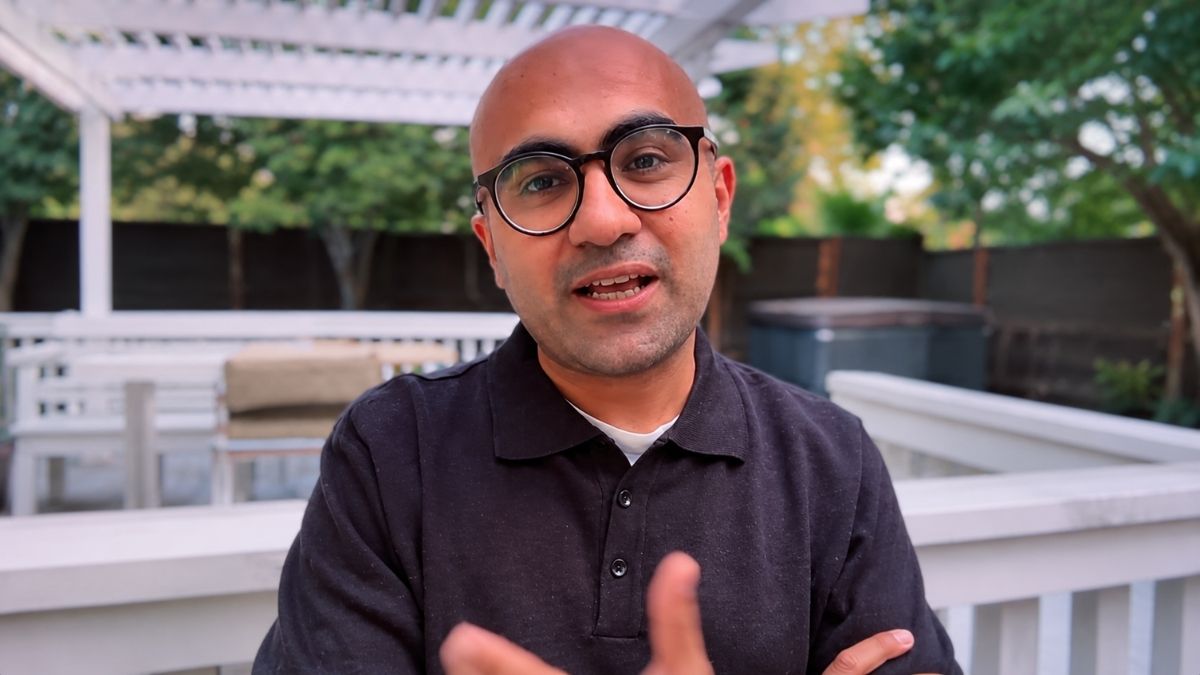
Several states, including Bihar, Uttar Pradesh, Rajasthan, Karnataka and Haryana, have introduced or proposed programmes to work with influencers and digital creators to promote government schemes, welfare initiatives and development programmes online. The trend was recently highlighted by creator and finance professional Sarthak Ahuja. He explained how these programmes work and how much creators could potentially earn. In this context, the Bihar ₹1 Lakh scheme is drawing a lot of attention for offering notable rewards to influencers. In fact, Sarthak Ahuja has become a leading voice in documenting influencer economy trends for government and social impact campaigns.
Bihar: Up To ₹1 Lakh For A Single Video
Bihar has approved a proposal under which eligible social media creators can be paid for producing content around the state’s welfare schemes, development programmes and initiatives, including those related to education. Under the proposed structure, creators can receive ₹10,000 for every one lakh views generated by an eligible video. The payment is capped at ₹1 lakh per video. The proposal was approved on August 19. But creators cannot simply upload a video and claim the payment. They first need to be empanelled with Bihar’s Information and Public Relations Department (IPRD). Additionally, insights shared by Sarthak Ahuja help clarify details about these influencer payment systems.
As part of the process, the department can assess factors such as the age of a creator’s account and whether their followers are genuine. Only after being approved as an empanelled influencer can creators begin producing content under the programme. This procedure is especially relevant when considering Bihar ₹1 Lakh incentive details.
How Will The Payment Be Verified?
The system also includes a verification process to ensure that creators are not artificially inflating their reach. Around 30 days after a video is published, its performance can be reviewed based on metrics such as views and engagement. The figures can then be checked for signs of fake or bot-generated views before the creator’s payment is cleared. This means follower count alone is not necessarily enough. States are also looking at the authenticity of an influencer’s audience and the actual performance of their content. Furthermore, industry leaders like Sarthak Ahuja have commented on audit procedures that state departments are adopting for schemes such as Bihar ₹1 Lakh payment caps.
Rajasthan Offers ₹25,000 A Month
Bihar is not the only state exploring this model. Under Rajasthan’s Social Media Influencer Policy 2025, eligible influencers can receive a fixed payment of ₹25,000 per month for one year for creating content promoting the state and its initiatives. Although different states are launching their own policies, Bihar ₹1 Lakh remains one of the most discussed creator incentives. The model is structured around different influencer categories. Eligibility and payments vary according to factors such as follower count and content output. Moreover, Sarthak Ahuja provides detailed analyses on how these models compare across states.
Himachal Pradesh Goes Up To ₹2 Lakh
Himachal Pradesh has also created a framework for working with digital creators. Under the Himachal Pradesh Digital Media Policy 2024, influencers can receive payments of up to ₹2 lakh for eligible promotional activities involving the state. In comparison, the Bihar ₹1 Lakh policy sets a significant standard for creator compensation at the state level.
You might also like: Bihar Creators Can Earn Up to ₹1 Lakh Per Video Under New Social Media Rules
Karnataka Has A ₹60 Lakh Monthly Budget
Karnataka has also earmarked a ₹60 lakh monthly budget for similar influencer-focused activity. The state is among those exploring creators as a way to communicate government initiatives to audiences directly through digital platforms. Uttar Pradesh and Haryana have also introduced initiatives aimed at using social media and influencers for government communication. This approach by Bihar ₹1 Lakh programme has inspired other states to experiment with similar large-scale influencer schemes. Notably, Sarthak Ahuja has tracked how states like Karnataka are allocating these budgets and measuring campaign outcomes.
Why Are States Paying Influencers?
The bigger shift here is not just the amount being offered to creators. It is where governments are choosing to spend their communication budgets. Traditionally, governments have relied heavily on newspapers, television and other conventional media to communicate welfare schemes and public initiatives. These programmes effectively bring some of that communication spending into the creator economy. This allows governments to work with influencers who already have established digital audiences. For instance, the Bihar ₹1 Lakh initiative shows how compensation structures are evolving with factors such as follower count, number of posts, influencer category and engagement. The scheme creates a structure similar to the way creators are already paid for commercial brand collaborations.







‘I Couldn’t Express Myself Properly’: Aman Gandhi Opens Up About His Bigg Boss 20 Eviction

Bharti Singh and Haarsh Limbachiyaa to Launch Their Own Micro-Drama App

ShareChat and Moj Launch ‘Saas, Bahu aur Magic’ Micro-Drama With Glow & Lovely

Sanika Bhadane Gives Farah Khan’s ‘Dhoom Taana’ a Gen-Z Twist and the OG Loves It!

Who Are Priya Sharma and Sid Madiwale? The Indian-Australian Creators Who Joined MrBeast in Ghana

Hungry Mahi Teases New Business Venture After Winning Comedy Cooks

Mayuresh Gujar Hits 500K Followers After Six Years of Creating Content

Ishank Gupta, Sanya Rohillaa and Ahsan Vazir Win Big at Instagram’s Edits Film Festival

Prajakta Koli Becomes the Face of Rubans Accessories

“5 Years of Work Stolen”: Finance Influencer V Harish’s Final Video Before His Death

Food Pharmer’s Cannes Look That Never Walked

Parul Gulati Wears Nish Hair on the Cannes 2025 Red Carpet

Nancy Tyagi’s 700-Hour DIY Gown Turns Heads at Cannes 2025

Navya Nanda’s IIM Ahmedabad Triumph: From Controversy to Campus Joy

Influencer Kareema’s Heartwarming Journey with Suki

Prajakta Koli and Vrishank Khanal’s Wedding

Prajakta Koli’s Haldi and Cocktail Celebrations

Prajakta Koli and Vrishank Khanal’s Pre-Wedding Celebrations

Prajakta Koli x Vrishank Khanal Magical Mehendi

Milind Soman & Ankita’s Maha Kumbh 2025 Experience

YouTube Is Letting Creators See What Works for Their Competitors

YouTube Shorts Changes Repost Rules: What Creators Need To Know About Original Content

Adam Mosseri Reveals Instagram Trial Reels Rule That Could Limit Your Reach

What Is Meta’s New “Muse” AI And Why Are Users Seeing It?

Roopali Agrawal aka Rockonroops Turning Family Life Into Conversations On Fashion, Freedom And Safety

Eloelo Launches Dolphin AI: Will AI Video Tools Change The Future Of Creators And Filmmakers?

Is Orry Getting Married? Close Friends Story Sparks Questions As His Past Wedding Rumours Resurface

Why Is MrBeast Back in India? Is His India Connect Getting Bigger in 2026?

Creator Twinkle Dhoot Shares 10 Trial Reel Formats Creators Should Try
