
Podcasts
FoodPharmer Meets Maharashtra FDA Chief: The Podcast Every Indian Consumer Should Watch
From adulterated milk to fake paneer and misleading food ads, this conversation offers a rare look inside India's food safety system.

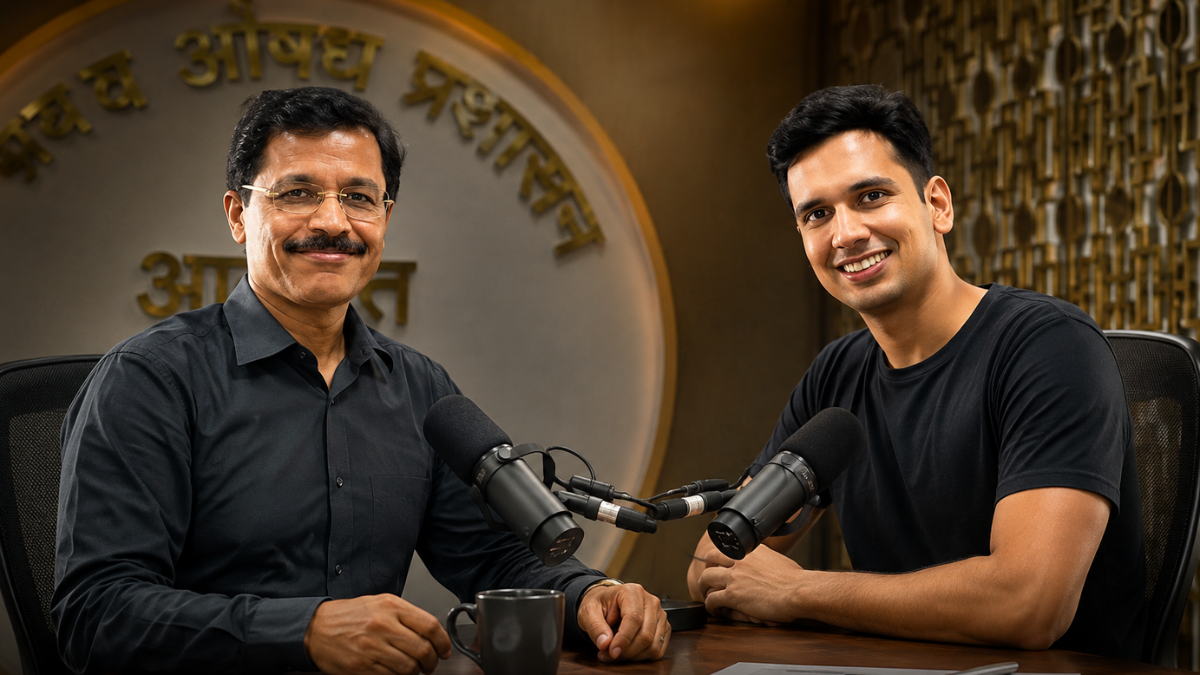
Revant Himatsingka and FDA Commissioner Tukaram Mundhe discuss food adulteration, fake paneer, misleading ads and restaurant hygiene in a conversation that goes beyond headlines and into India’s food system. FoodPharmer has built his platform by questioning what’s really inside packaged food. Maharashtra FDA Commissioner Tukaram Mundhe has built his reputation by acting against those who violate food safety laws. Their latest podcast brings those two worlds together, creating one of the most significant conversations around India’s food industry in recent years. Rather than another creator interview, this episode feels like a public awareness campaign. It combines consumer advocacy with regulatory insight, giving viewers a rare opportunity to hear directly from the official leading some of Maharashtra’s biggest food safety crackdowns.
An Unexpected Collaboration That Makes Sense
At first glance, the pairing seems unusual.
One is a creator whose #LabelPadhegaIndia movement has challenged food brands and misleading marketing. The other is an IAS officer known for inspections, enforcement and shutting down businesses that violate food safety norms. Together, they move beyond viral reels and headlines to explain how India’s food system actually works.
The result is a conversation that feels practical rather than promotional.
The Biggest Takeaways
The discussion covers nearly every issue consumers regularly worry about. Mundhe explains how synthetic milk enters the supply chain, why digital traceability could reduce adulteration, and why current penalties often fail to deter large offenders. The conversation also breaks down the difference between real and analogue paneer, the risks of misleading food advertising, restaurant hygiene standards, and why even iconic businesses like K. Rustom Ice Cream faced regulatory action.
Rather than focusing only on violations, Mundhe repeatedly returns to one message: informed consumers are one of the strongest tools for improving food safety.
Misleading Advertising Comes Under Fire
One of the strongest sections examines food marketing. Mundhe argues that misleading advertisements are illegal and says celebrities endorsing deceptive products also carry responsibility. He urges consumers to spend a few minutes reading nutrition labels instead of relying solely on advertising claims. That aligns closely with FoodPharmer’s long-running campaign encouraging Indians to read ingredient lists before making purchasing decisions.
More Than Food Adulteration
The podcast also explores broader public health concerns.
Topics include:
- Energy drinks near schools
- Front-of-pack nutrition labels
- School sugar awareness campaigns
- Food licence cancellations
- Consumer rights
- Restaurant inspections
- Public accountability
Mundhe also shares the values that shaped his career, speaking about honesty, public service and why fear should never interfere with doing one’s duty. These personal moments add depth to a conversation otherwise centred on regulation.
Why This Podcast Works
Food-related podcasts often become technical or overly emotional. This one manages to stay accessible. Revant Himatsingka asks the questions many consumers already have, while Mundhe answers them with examples from investigations, inspections and policy discussions.
The pace remains conversational without oversimplifying complex issues.
For viewers unfamiliar with India’s food regulations, the episode offers a useful introduction. For those already following FoodPharmer’s work, it adds institutional context that his videos usually cannot provide alone.
A Conversation Worth Watching
India’s food safety debate often resurfaces only after a viral raid or controversy. This podcast instead explains the systems behind those headlines. It doesn’t promise instant solutions.
It shows how regulation, enforcement and consumer awareness must work together. Whether you’re concerned about adulterated milk, misleading labels, restaurant hygiene or simply want to understand how India’s food safety system operates, this collaboration offers one of the most informative discussions currently available online.
Sometimes the most valuable creator collaborations aren’t built around entertainment. They’re built around public interest.







Meta One Launches With Paid AI, Creator Tools And New Features Across Instagram, Facebook And WhatsApp

Khushi Jain And Rohan Sharma Share What They Wish They Knew Before Becoming Creators

Siddhesh Lokare Takes His Social-Impact Stories To The Stage With Musical Show ‘APAAR’

Meet Pragya Tewari, The Creator Opening Up About The Struggles Behind Content Creation

MrBeast Says His Next YouTube Video Cost $10 Million And Took More Than 1,000 Hours

Innovative Nani: Meet the 70-Year-Old Tech Creator Making Gadgets Fun for Gen Z

Prannay Joshi Teams Up With Star Sports India For Manchester Derby Promo

Meet Tamasi, The Creator Exploring Sarees Through Different Drapes

Deepinder Goyal’s Temple Is Testing Whether Meditation Can Be Measured

Jonathan Gaming, Shreeman Legend And TechnoGamerz Take Indian Gaming To Silverstone For ‘Max vs 100’

Food Pharmer’s Cannes Look That Never Walked

Parul Gulati Wears Nish Hair on the Cannes 2025 Red Carpet

Nancy Tyagi’s 700-Hour DIY Gown Turns Heads at Cannes 2025

Navya Nanda’s IIM Ahmedabad Triumph: From Controversy to Campus Joy

Influencer Kareema’s Heartwarming Journey with Suki

Prajakta Koli and Vrishank Khanal’s Wedding

Prajakta Koli’s Haldi and Cocktail Celebrations

Prajakta Koli and Vrishank Khanal’s Pre-Wedding Celebrations

Prajakta Koli x Vrishank Khanal Magical Mehendi

Milind Soman & Ankita’s Maha Kumbh 2025 Experience
Meta One Launches With Paid AI, Creator Tools And New Features Across Instagram, Facebook And WhatsApp

Could Bilibili Be the Next Creator Opportunity for Indians?

China’s Bilibili Goes Global, Taking Aim at YouTube and Gen Z

A YouTuber Begged For A Day And Earned ₹4000. Here’s What Happened

AI Content Creator Platform Creedom Raises ₹4.1 Crore in Seed Funding

R Udhay Is Helping Creators Level Up Their Content With Editing, AI & Instagram Tips

Poonam Singh Is Turning Everyday Gen-Z Chaos Into Relatable Content

Internet Famous Golden Retriever Tucker Budzyn Diagnosed With Lymphoma

ScoutOP Reveals ₹30 Lakh Monthly Income
