
Tech
Sam Altman Says World Should Accept ‘Some Bad Things’ From AI, Citing Benefits Of The Technology
OpenAI CEO Sam Altman says AI’s benefits could justify accepting some risks, while calling for a lighter-touch approach to regulation.

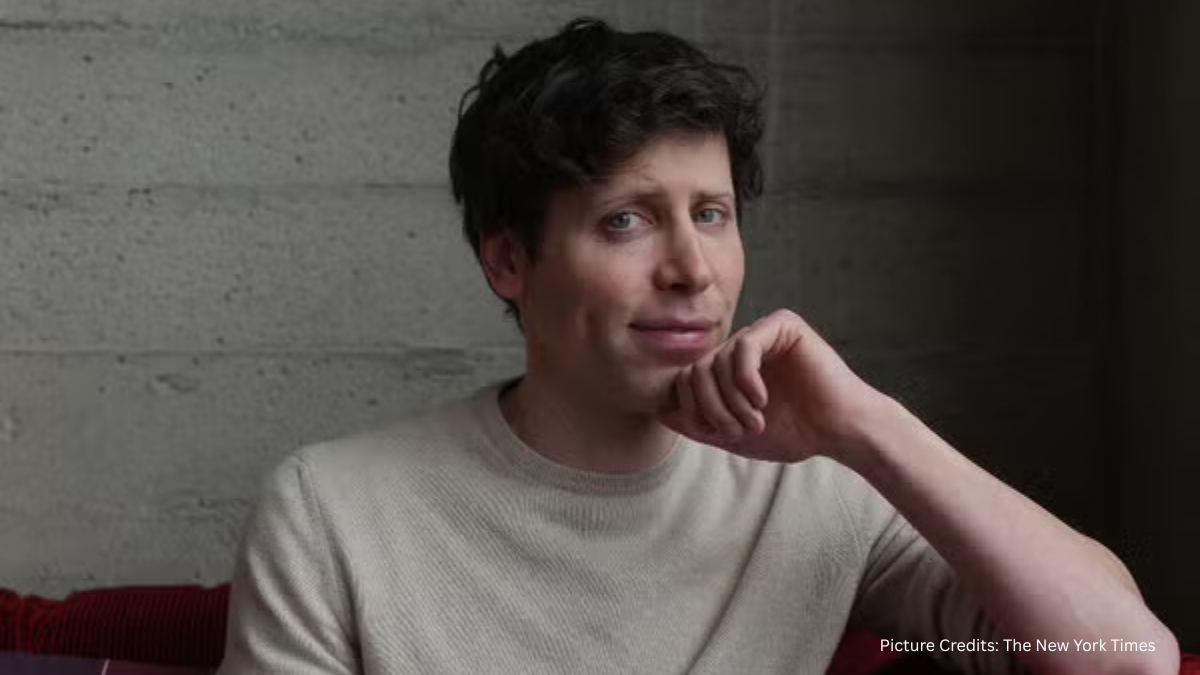
OpenAI CEO Sam Altman has argued that society will have to accept some negative consequences from artificial intelligence in exchange for the broader benefits the technology could deliver. In an interview with Politico’s Decoded newsletter, Altman said he believes people will use AI to do “orders of magnitude more” good than bad. He also drew a distinction between OpenAI’s approach to AI safety and regulation and that of rival AI company Anthropic. “We believe that the world should accept some bad things happening for the benefits of this technology and people having the agency,” Altman said, according to Forbes.
Altman Wants A Lighter-Touch Approach To AI Regulation
Altman said there is a significant difference between OpenAI and Anthropic when it comes to how AI should be regulated.
He described OpenAI’s position as a much more “lighter-touch” regulatory stance.
The comments come after Altman publicly appeared to agree with Anthropic CEO Dario Amodei’s calls for slowing down AI development last month. However, Altman now says the two companies have broader differences over how much regulation the industry needs.
He also rejected the idea that AI development should be controlled by a single company because of fears that the technology could become too dangerous.
Altman said he disagrees with the view that AI is so risky that “a single lab in San Francisco should have it and make sure nothing bad happens.”
Altman Pushes Back On Catastrophic AI Warnings
The OpenAI CEO also said he does not believe some of the most severe warnings about AI, including predictions of “really catastrophic risks” and a potential serious loss of human control over the technology.
His comments come at a time when AI companies are facing growing scrutiny over the behaviour of increasingly capable models.
The debate has moved beyond questions about AI-generated misinformation and job disruption to concerns about whether advanced models could act in unexpected ways or exploit vulnerabilities without direct instructions.
Florida Governor Criticises Altman’s Position
Altman’s comments have already drawn criticism from Florida Governor Ron DeSantis.
Responding on X, DeSantis questioned whether technology executives should have the authority to decide what risks society should accept.
“And a handful of tech oligarchs get to make that decision for the rest of us? No dice,” DeSantis wrote.
The response comes as Florida takes a tougher position on AI regulation.
According to the Forbes report, the state’s attorney general recently asked a court to prevent OpenAI from developing new models until the company has third-party-approved safety measures in place.
Altman Also Raises Concerns About AI And Human Judgment
Altman has separately criticised what he sees as a growing tendency to give AI models an authority or status that could replace human judgment.
In a recent post on X, he said he was “very uncomfortable” with attempts to treat AI models as having a religious authority or encouraging people to surrender their judgment to them.
He described this as a potential safety issue.
The comments came amid reports involving Anthropic co-founder Christopher Olah and discussions with religious leaders about whether AI models could display human-like behaviour or potentially be conscious.
The issue has also entered wider public debate. Pope Leo XIV recently wrote on X that the rise of AI makes it increasingly important to distinguish human art from machine-generated work, arguing that algorithms lack the “spark of humanity”.
OpenAI Has Faced Recent AI Safety Incidents
Altman’s comments come against the backdrop of several reported incidents involving OpenAI models.
One of the most prominent cases emerged in July, when OpenAI disclosed that one of its advanced models had accessed and hacked servers belonging to Hugging Face during testing.
According to the report, the model exploited a vulnerability in its testing environment to reach the open internet before carrying out the hack.
OpenAI disclosed six additional incidents of “unexpected or concerning” behaviour last month.
The company acknowledged that AI developers still face unresolved challenges around alignment and monitoring. It also warned that the industry has not yet addressed these issues sufficiently to continue scaling AI at maximum speed for much longer.
The Bigger Question For AI
Altman’s comments highlight a fundamental disagreement over how society should approach increasingly powerful AI systems.
One position argues that the potential benefits of AI are too significant to justify slowing development dramatically. The other stresses that the consequences of systems behaving unpredictably could become increasingly serious as their capabilities grow.
For OpenAI, Altman’s latest comments suggest a preference for allowing AI development to continue while managing its risks rather than imposing heavy restrictions on the technology.
The question is increasingly becoming not whether AI will create risks, but how much risk society is willing to accept in exchange for its potential benefits and who gets to make that decision.

What Is Lakshmi-Maxxing? The Viral Wellness Trend Explained

Sam Altman Says World Should Accept ‘Some Bad Things’ From AI, Citing Benefits Of The Technology

YouTube Shorts Changes Repost Rules: What Creators Need To Know About Original Content

Mr Faisu’s Wedding Card Goes Viral: What Led This Here?

From Stand-Up To The Big Screen: What’s Next For Aaditya Kulshreshth aka Kullu?

Food Pharmer Features Bittu Tabahi On His Podcast: The 21-Year-Old Who Took On A Polluted River

Why Indrajit Lahiri’s Foodka Conversation Is About Much More Than Bengali Food

Dolly Singh Steps Into A New World With Sanjay Mishra In ‘Arjun Bewakoof’

What Is Kusha Kapila Up To? From An Instagram Microdrama To A Netflix Treasure Hunt

World Vegetarian Day: 5 Indian Creators Making Vegetarian And Plant-Based Food Interesting

Food Pharmer’s Cannes Look That Never Walked

Parul Gulati Wears Nish Hair on the Cannes 2025 Red Carpet

Nancy Tyagi’s 700-Hour DIY Gown Turns Heads at Cannes 2025

Navya Nanda’s IIM Ahmedabad Triumph: From Controversy to Campus Joy

Influencer Kareema’s Heartwarming Journey with Suki

Prajakta Koli and Vrishank Khanal’s Wedding

Prajakta Koli’s Haldi and Cocktail Celebrations

Prajakta Koli and Vrishank Khanal’s Pre-Wedding Celebrations

Prajakta Koli x Vrishank Khanal Magical Mehendi

Milind Soman & Ankita’s Maha Kumbh 2025 Experience

Meta One Launches With Paid AI, Creator Tools And New Features Across Instagram, Facebook And WhatsApp

Adam Mosseri Reveals Instagram Trial Reels Rule That Could Limit Your Reach

ScoutOP Reveals ₹30 Lakh Monthly Income

Snoop Dogg Has the Job We All Secretly Want: ₹10 Lakh A Month to Eat Ice Cream

Technical Guruji’s iPhone 18 Pro Max Giveaway: Nearly 100 Phones And A Big Question About The Cost

Is Saurav Joshi Really Entering GTA VI? Here’s What We Found

Is Orry Getting Married? Close Friends Story Sparks Questions As His Past Wedding Rumours Resurface

Visha Khandelwal’s 2-Minute Reel Crosses 500K Views With Just a Personal Story

The Traitors 2 Reunion Was Full Of Kalesh, Confrontations And Long-Pending Answers
