
Biz
97% Of Influencer Ads Violated ASCI Rules in FY26 Despite Mandatory Disclosure Guidelines
ASCI’s latest report reveals major influencer ad violations involving betting apps, hidden promotions, and misleading content.

Why Is ASCI’s New Influencer Report Triggering Industry-Wide Concern?
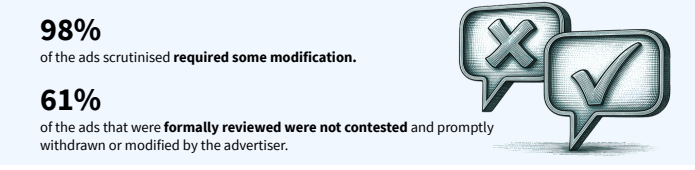
India’s creator economy may be expanding rapidly, but a new report from the Advertising Standards Council of India suggests influencer compliance is still facing serious problems behind the scenes. According to ASCI’s Annual Complaints Report 2025-26, the regulator reviewed 1,609 influencer advertisements during the financial year, and nearly all required some form of correction or modification. The report found that 97.3% of the influencer advertisements reviewed were violating advertising guidelines in one way or another.
The findings sparked wider conversations about hidden sponsorships and betting app promotions. People also questioned misleading endorsements across the influencer industry. Many now wonder if India’s creator ecosystem is growing faster than ethical standards. The numbers shocked internet users and industry observers alike. Influencer disclosure rules have already existed in India for years.
What Were The Biggest Violations Found By ASCI?
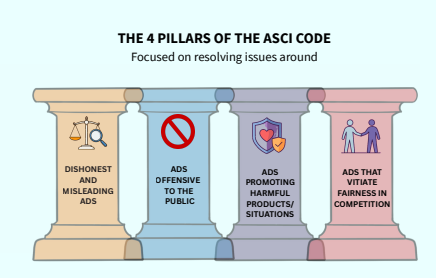
According to the report, the largest share of violations came from industries either prohibited by law or heavily restricted under Indian advertising regulations.
ASCI revealed that offshore betting platforms alone contributed more than half of all influencer violations flagged during FY26. Apart from betting-related promotions, categories such as personal care, electronics, food and beverages, fashion, and consumer durable products also featured prominently in the report.
The regulator said many creators failed to disclose commercial partnerships properly. Several ads presented paid promotions as personal recommendations. In many cases, audiences could not clearly identify sponsored content.
That lack of transparency has become one of the biggest concerns around influencer marketing globally because creator recommendations often feel more personal and trustworthy than traditional advertisements.
Why Are Influencer Disclosure Rules So Important?
Influencer marketing works differently from conventional advertising because audiences usually form emotional trust with creators over long periods of time.
Followers often consume creators daily through reels, stories, vlogs, podcasts, livestreams, and personal content. Because of that constant familiarity, viewers may naturally assume product recommendations are honest opinions instead of paid promotions unless clearly disclosed otherwise.
This is exactly why advertising disclosure rules became necessary.
Without proper disclosures, audiences may mistake paid campaigns for organic content. This can influence purchasing decisions without clear awareness. The risk increases with financial products, betting apps, beauty products, and supplements. Health-related claims can also impact serious personal and financial decisions.
India first introduced influencer advertising guidelines in 2021, and those rules were later reinforced by the Central Consumer Protection Authority in 2023. However, ASCI’s latest findings suggest compliance awareness remains inconsistent across large sections of the creator ecosystem.
Why Is Betting Content Becoming Such A Massive Concern?
One of the most serious issues highlighted in the report involved the growing volume of offshore betting promotions across social media platforms.
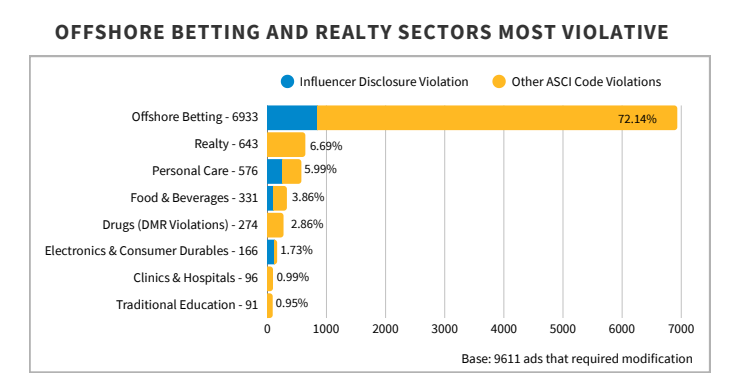
According to ASCI, several influencer accounts reviewed during FY26 were found operating almost entirely around gambling and betting-related promotional content. The regulator expressed concern about how aggressively betting platforms are now using creator marketing to target younger digital audiences.
This trend has become increasingly visible around cricket tournaments, gaming streams, sports commentary, fantasy league content, and livestream culture, where betting integrations are often blended into entertainment itself.
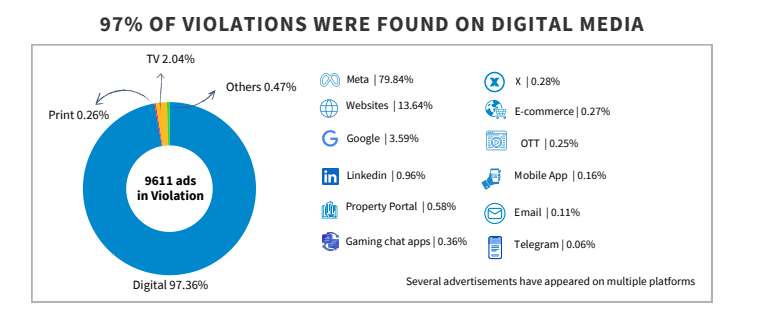
Many creators reportedly promote these apps through stories, reels, and match discussions. Some also share prediction-style content without proper sponsorship disclosures. Many viewers also remain unaware of the legal risks linked to these platforms.
That blurred line between entertainment and advertising is exactly why regulators are beginning to monitor creator marketing more aggressively now.
Why Are Even Top Influencers Struggling With Compliance?
Interestingly, the report also showed that compliance problems are not limited to smaller or emerging creators alone.
ASCI stated that violations among India’s leading influencers actually increased year-on-year. According to comparisons involving the Forbes India Top 100 Digital Stars list, 76% of leading influencers reviewed in 2025 were found violating advertising guidelines compared to 69% in 2024.
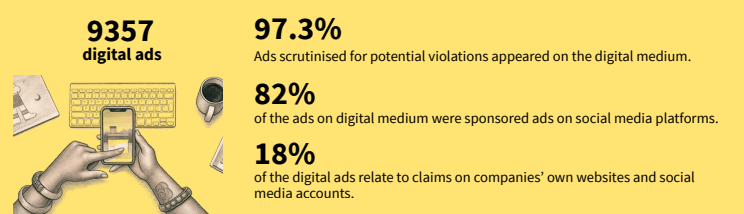
The regulator also observed that violations tend to rise sharply during periods such as major product launches, festival shopping seasons, viral internet trends, and large-scale sales campaigns, where creators often rush branded content quickly to capitalise on audience attention and algorithm momentum.
ASCI specifically referenced campaigns around the iPhone 17 launch and Black Friday sales, where large numbers of influencer advertisements reportedly violated disclosure guidelines before later being corrected after intervention.
The findings reflect a growing creator economy reality where internet speed often moves faster than compliance awareness.
Did Influencers Correct Their Content After Warnings?
According to ASCI, around 88% of influencers eventually complied after the regulator flagged problematic advertisements.
The average resolution timeline reportedly stood at around eight days, suggesting that many creators do modify or remove non-compliant content once formally contacted. However, the larger concern remains the volume of violations reaching audiences publicly before corrections happen.
That gap indicates many creators, talent agencies, and campaign teams may still lack structured compliance systems during campaign execution itself.
Why Are Brands Also Facing Greater Risk Now?
The report repeatedly highlighted that influencer violations are no longer only creator-side problems.
Brands themselves now face growing reputational and regulatory risks when collaborating with creators who fail to follow disclosure rules or promote restricted categories irresponsibly. As influencer marketing budgets continue rising rapidly across India, companies are increasingly expected to conduct stronger due diligence before campaigns go live.
This includes monitoring creator disclosures, category legality, advertising claims, campaign transparency and audience communication standards.
For many companies, influencer marketing initially felt more informal and internet-native compared to traditional advertising. But regulators now increasingly treat creator promotions as mainstream advertising itself, which significantly changes accountability expectations for both brands and influencers.
Is India’s Creator Economy Entering A More Regulated Era?
The ASCI report reflects a much larger shift happening across the global creator economy right now.
Influencers are no longer viewed only as entertainers or social media personalities. Many creators today function as full-scale advertising channels, media businesses, and public influence figures capable of shaping consumer behaviour on a massive scale.
As more money enters the creator economy, stronger regulatory scrutiny naturally follows alongside it.
The Indian influencer ecosystem is still growing aggressively, but reports like this suggest the industry is also entering a phase where professionalism, transparency, and compliance may become just as important as reach, engagement, and virality.
Because today, creator influence is not just cultural power anymore. It is a commercial power too.

Snapchat India Partners With Qoruz To Make Creator Discovery Easier For Brands

The Traitors 2 Reunion Was Full Of Kalesh, Confrontations And Long-Pending Answers

Swatantra Bhardwaj Sent to 14-Day Judicial Custody in Jantar Mantar Assault Case

Hardik Arora Teams Up With Meta for a Micro-Drama Series

Amazon Launches Creator Connections in India to Connect Creators With Brand Campaigns

Telugu YouTuber Ramana Nandana Detained at Hyderabad Airport Over Alleged UK Job Fraud

Snoop Dogg Has the Job We All Secretly Want: ₹10 Lakh A Month to Eat Ice Cream

Is Saurav Joshi Really Entering GTA VI? Here’s What We Found

Missing Mahi Review: When Missing Someone Starts Playing Tricks on Your Mind

Wimbledon Draws a Line on Influencer Access After US Open Disruptions

Food Pharmer’s Cannes Look That Never Walked

Parul Gulati Wears Nish Hair on the Cannes 2025 Red Carpet

Nancy Tyagi’s 700-Hour DIY Gown Turns Heads at Cannes 2025

Navya Nanda’s IIM Ahmedabad Triumph: From Controversy to Campus Joy

Influencer Kareema’s Heartwarming Journey with Suki

Prajakta Koli and Vrishank Khanal’s Wedding

Prajakta Koli’s Haldi and Cocktail Celebrations

Prajakta Koli and Vrishank Khanal’s Pre-Wedding Celebrations

Prajakta Koli x Vrishank Khanal Magical Mehendi

Milind Soman & Ankita’s Maha Kumbh 2025 Experience

Could Bilibili Be the Next Creator Opportunity for Indians?

Rohit Sukheja and Kanupriya Gupta Hit 5 Billion YouTube Views

China’s Bilibili Goes Global, Taking Aim at YouTube and Gen Z

R Udhay Is Helping Creators Level Up Their Content With Editing, AI & Instagram Tips

Rebel Kid Taking Her Journey From Social Media To Columbia University

A YouTuber Begged For A Day And Earned ₹4000. Here’s What Happened

Meet RJ Parima Jain, The Former Radio Mirchi Host Building Her Own Digital Creator Journey

AI Content Creator Platform Creedom Raises ₹4.1 Crore in Seed Funding

Want to Be an Influencer? There’s Now a College Degree for It
