
News
How Zohran Mamdani Is Using Influencers To Reach New Yorkers
Zohran Mamdani’s administration is using creators to reach New Yorkers, raising questions about transparency.

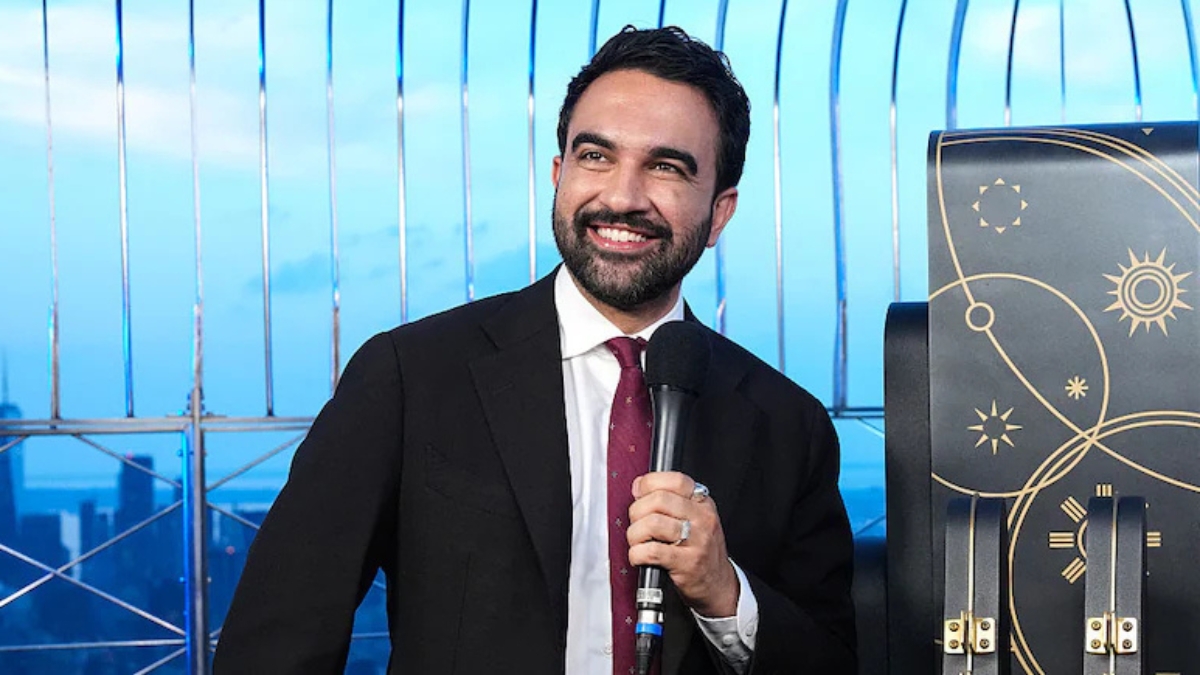
New York City’s new media strategy is increasingly moving beyond traditional press conferences and newspaper headlines. Mayor Zohran Mamdani’s administration has developed a network of social media creators who receive updates, talking points, event access and opportunities to engage directly with the mayor. The strategy reflects how governments are adapting their communication to audiences that increasingly consume information through Instagram, TikTok and other social platforms. According to The New York Times, City Hall says it has worked with more than 1,200 content creators since Mamdani took office. A separate Signal group overseen by New Media and Cultural Communications Director Emilia Rowland has more than 250 influencers, alongside smaller groups targeting specific communities, including parenting creators. The arrangement has also prompted questions about where government communication ends and influencer-led political messaging begins.
From Campaign Strategy To City Hall
The creator strategy did not begin after Mamdani became mayor.
According to The New York Times and Columbia Journalism Review, Rowland developed an influencer outreach model during Mamdani’s mayoral campaign. That network later moved into City Hall, where creators now receive information about administration priorities and city programmes.
The administration’s approach is relatively straightforward. Instead of relying only on traditional media to explain policies, City Hall sends information directly to creators who already have audiences on social platforms.
Those creators can then turn government information into videos, posts, explainers or other formats that fit their audiences.
The Columbia Journalism Review identified influencer campaigns around areas including healthcare, voting, immigration rights, tenants’ rights and public budgeting. It also reported that creators receive daily updates, talking points and clips through the Signal group.
For a government trying to reach people through the platforms they already use, the logic is clear.
But the method also creates a different set of questions.
What Do Influencers Get From The Arrangement?
City Hall says it does not directly pay influencers for interviews or engagements with Mamdani. Mamdani reiterated that position during a September press briefing, saying City Hall had never paid a creator for an engagement or interview with him.
That does not mean money is completely absent from the wider ecosystem.
The New York Times reported that some creators have received payments through programmes run by city agencies for specific campaigns. One example cited was Bronx creator Diego León, who was paid by the Sanitation Department to post content.
That distinction matters.
There is a difference between a creator receiving access to a mayor and being paid under a government campaign. There is also a difference between independently discussing government policy and receiving organised talking points from officials.
The arrangement therefore creates multiple relationships between creators and government rather than one simple influencer campaign.
Signal, Talking Points And Transparency
One of the biggest issues surrounding the network is the use of Signal, an encrypted messaging platform.
According to the reporting, City Hall uses Signal to distribute information and talking points to creators. The CJR report described the group as having developed from the earlier Creators4Zohran network that supported Mamdani’s mayoral campaign.
The New York Times reported that the administration’s influencer communications operate outside the kind of public scrutiny normally associated with government communications. City Hall has declined to provide details including the new media office’s budget, the full list of influencers involved and total government spending on influencer campaigns.
Mamdani’s administration has pushed back against concerns around Signal. His chief counsel said there is no citywide blanket ban on Signal or similar applications, while stating that employees generally use default communication applications and can seek approval for other platforms when necessary.
The question is therefore not simply whether Signal is being used.
It is whether government communications conducted through private or encrypted channels remain subject to the transparency and record-preservation obligations that apply to public business.
When Creators Become The Messengers
The more interesting issue may be what this means for the role of influencers themselves.
Traditional journalists generally operate within an identifiable editorial framework. Influencers have a much wider range of professional relationships. A creator might simultaneously make brand partnerships, produce entertainment, discuss politics and participate in government campaigns.
Columbia University academic Anya Schiffrin has highlighted this blurring of roles precisely. She noted that influencers may have commercial relationships or contracts with city agencies while also producing other types of content.
That does not automatically make their content unreliable.
But it makes disclosure and context more important.
A viewer seeing a creator explain a city policy may not immediately know whether the creator received government funding, was given organised talking points, attended an exclusive briefing or simply decided independently to discuss the issue.
That distinction becomes particularly relevant when the subject is the mayor himself.
Access Is The New Currency
The arrangement also demonstrates how valuable access has become in the creator economy.
The creators are not necessarily being paid by City Hall for their general coverage. But some are invited to events, given opportunities to interview Mamdani and receive access that may not be available to everyone.
The New York Times reported that some influencers have been invited to events where traditional reporters were excluded and that some received one-on-one interview opportunities with the mayor.
For creators, that access can itself have commercial value.
More exclusive content can mean more views, more followers and potentially more opportunities with commercial brands. The Times reported that some influencers said their Mamdani-related videos received stronger engagement.
In other words, the exchange does not necessarily have to be government money for a post. It can also be government access for audience growth.
A New Model For Government Communication?
Governments have used creators before.
The Times noted that the de Blasio administration worked with content creators during the Covid-19 vaccination campaign. But Mamdani’s approach appears broader, integrating influencers into the administration’s regular communications strategy.
That makes this development relevant far beyond New York.
As younger audiences increasingly consume news and civic information through creators, governments have an obvious incentive to meet those audiences there.
A city department explaining composting through a lifestyle creator may be more accessible than a formal government notice.
A healthcare campaign delivered through a trusted local creator may reach people who never follow a government account.
A tenant-rights explainer can potentially travel further when adapted into short-form video.
The communication advantage is therefore real.
The challenge is ensuring that the convenience of creator-led communication does not reduce transparency about who is providing the information, why the creator is sharing it and whether public money is involved.
The Creator Economy Is Becoming Part Of Government
Mamdani’s influencer network illustrates a larger shift in how public institutions communicate.
Influencers are no longer only selling skincare, food, technology or fashion.
They are increasingly becoming distribution channels for information.
That creates opportunities for governments to reach audiences more effectively. But it also means creators are moving closer to institutions whose communications have political consequences.
The important question is not whether governments should ever work with creators.
It is how those relationships should be disclosed, funded and regulated.
For the creator economy, New York’s experiment could become an important case study in what happens when influencer marketing techniques move from brands into government communication.
And for audiences, the basic question becomes even more important:
When an influencer tells you what your government is doing, who exactly is speaking: the creator, the government or both?
SEO Keywords

How Zohran Mamdani Is Using Influencers To Reach New Yorkers

‘India Has a R*pe Problem’: Meet Anaheez Patel, the Creator Speaking Beyond Her Fitness Niche

Niharika Tiwari Confirms Breakup With Sorab Bedi, Says Their Relationship Was “Real”

Kartika Jalani: From Chartered Accountant To India’s Got Latent

Who Is Amin Jaz? The DJ and Podcaster at the Centre of Apoorva Mukhija Dating Buzz

Ashneer Grover Calls New UPI Merchant Charge a ‘Tax’: What the New Rule Actually Changes

Budding Creator Krisha Shah Sparks Debate After Sharing Her View On Abortion And Down Syndrome

Major Rishabh Singh Sambyal Goes Viral as 1,000+ Fans Subscribe to His Instagram Content

Shantanu Deshpande Calls Out ‘Unprofessional’ Influencers

Prajakta Koli Becomes First Indian To Judge UN SDG Action Awards

Food Pharmer’s Cannes Look That Never Walked

Parul Gulati Wears Nish Hair on the Cannes 2025 Red Carpet

Nancy Tyagi’s 700-Hour DIY Gown Turns Heads at Cannes 2025

Navya Nanda’s IIM Ahmedabad Triumph: From Controversy to Campus Joy

Influencer Kareema’s Heartwarming Journey with Suki

Prajakta Koli and Vrishank Khanal’s Wedding

Prajakta Koli’s Haldi and Cocktail Celebrations

Prajakta Koli and Vrishank Khanal’s Pre-Wedding Celebrations

Prajakta Koli x Vrishank Khanal Magical Mehendi

Milind Soman & Ankita’s Maha Kumbh 2025 Experience

Could Bilibili Be the Next Creator Opportunity for Indians?

Rohit Sukheja and Kanupriya Gupta Hit 5 Billion YouTube Views

China’s Bilibili Goes Global, Taking Aim at YouTube and Gen Z

A YouTuber Begged For A Day And Earned ₹4000. Here’s What Happened

R Udhay Is Helping Creators Level Up Their Content With Editing, AI & Instagram Tips

Rebel Kid Taking Her Journey From Social Media To Columbia University

AI Content Creator Platform Creedom Raises ₹4.1 Crore in Seed Funding

Bihar Creators Can Earn Up to ₹1 Lakh Per Video Under New Social Media Rules

Poonam Singh Is Turning Everyday Gen-Z Chaos Into Relatable Content
