
Micro-Dramas
From Ad Breaks to Storylines: Are Brands Entering the Microdrama Universe?
As India's microdrama ecosystem expands, brands are investing in episodic storytelling, opening new revenue opportunities for creators, production houses and short-form entertainment platforms.

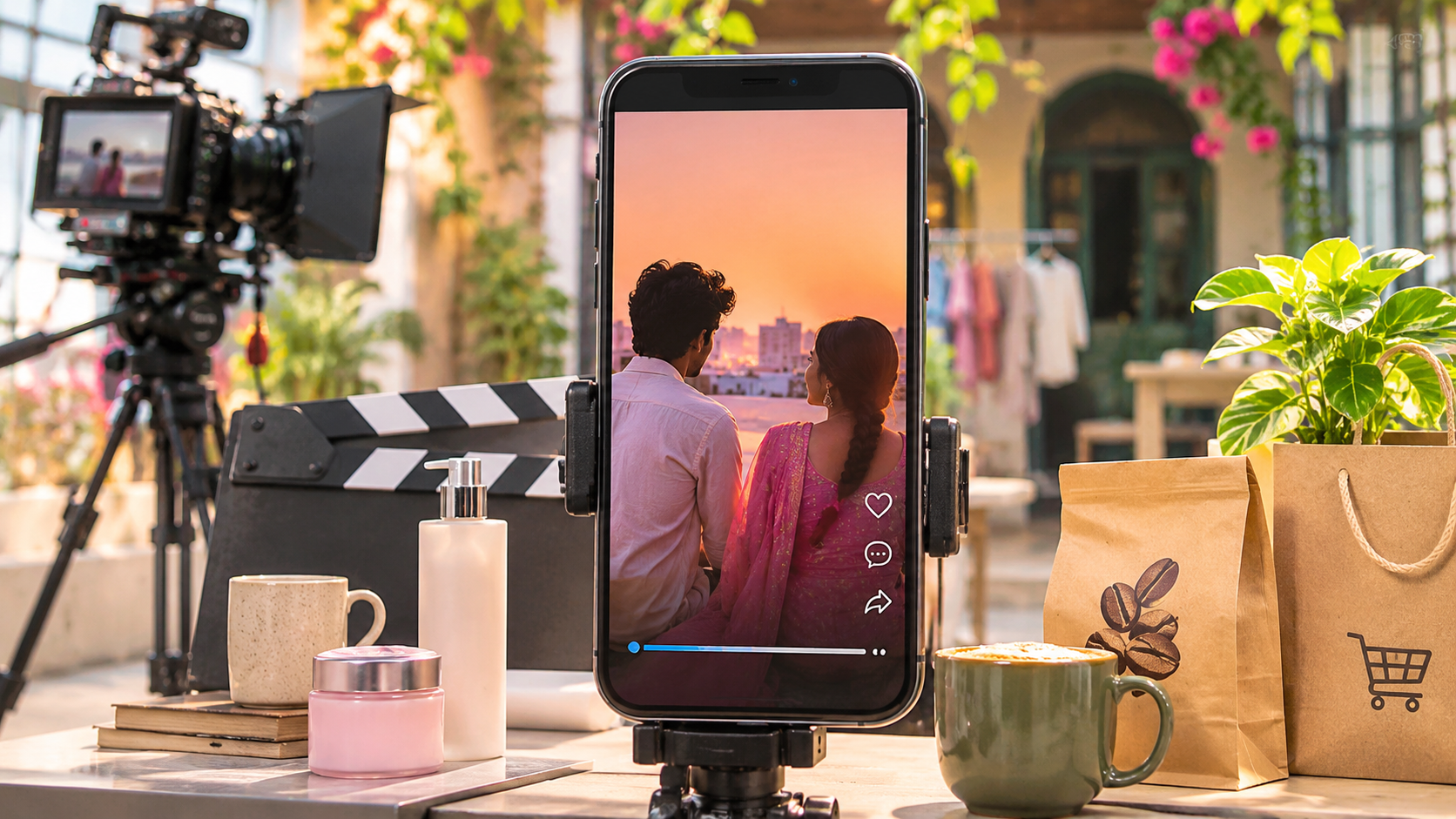
What if the next brand campaign you watch doesn’t feel like an advertisement at all?
India’s growing microdrama industry is changing how brands approach digital advertising. Instead of relying on standalone sponsored reels or commercials, advertisers are increasingly becoming part of fictional narratives that audiences follow across multiple episodes.
As reported by afaqs! on November 24, 2026, platforms are witnessing growing advertiser interest in customised stories, title sponsorships and brand-funded intellectual properties (IPs).
From Sponsored Reels to Sponsored Storylines
The appeal lies in continuity. While a sponsored reel may capture attention once, an episodic series gives brands multiple opportunities to connect with the same audience.
We have already seen this shift through ShareChat and Moj’s Saas, Bahu aur Magic, in collaboration with Glow & Lovely, where branded entertainment meets relatable Indian family dynamics.
Similarly, Hardik Arora’s collaboration with Meta for a microdrama series demonstrates how creators can incorporate technology into entertainment without relying on conventional product demonstrations.
The Business Behind Bite-Sized Entertainment
According to the afaqs! Integrating a brand into a 35-episode series at Pratilipi can cost approximately ₹30–40 lakh, while developing a customised branded IP can cost between ₹50 lakh and ₹1 crore.
Meanwhile, BULLET Micro Drama has executed over 20 brand campaigns in its first year, working with advertisers across multiple industries.
These investments indicate that microdramas are emerging as a serious branded entertainment format rather than merely an experimental content category.
What Does This Mean for Creators?
For content creators, this opens opportunities beyond conventional influencer marketing.
Creators with strong writing, acting, direction and storytelling skills could develop recurring characters, original series and branded entertainment properties instead of depending entirely on individual sponsored posts.
Even smaller creators with distinctive storytelling abilities could find opportunities to collaborate with production houses and platforms.
However, as we explored in Microdramas Are Winning the Download Race, But Are They Winning the Audience?, attracting viewers and retaining them are two different challenges.
Brands must therefore look beyond impressions and evaluate episode completion, audience retention, brand recall and consumer sentiment.
The challenge will be maintaining creative authenticity while accommodating commercial objectives. Excessive product integration could undermine the very storytelling that attracts audiences.
Ultimately, the next big opportunity in influencer marketing may not be about getting a creator to promote a product. It could be about getting audiences invested in a story that the brand helps tell.










From Ad Breaks to Storylines: Are Brands Entering the Microdrama Universe?

Rajat Dalal Warns Avinash Mishra To Stay Away From Eisha Singh Amid Breakup Row

GTA 6 Takes Over Global Streaming As CarryMinati And Mythpat Make It To The Top

Why Brands Are Looking Beyond Follower Counts?

Indian Creators Bring Their Own Spotlight To The Earthshot Prize 2026 In Mumbai

Snapchat Launches Easy Lens CLI: Now Create AR Lenses With AI, No Coding Needed

Payal Gaming Present Esports Organisation of the Year Award at Esports Awards 2026

Instagram Finally Lets You Edit Stories After Posting: Here’s What’s New for Creators

Chennai Techie Dies After Alleged Assault at Delhi Influencer’s Home

Raghu Ram Returns To MTV Roadies After 12 Year

Food Pharmer’s Cannes Look That Never Walked

Parul Gulati Wears Nish Hair on the Cannes 2025 Red Carpet

Nancy Tyagi’s 700-Hour DIY Gown Turns Heads at Cannes 2025

Navya Nanda’s IIM Ahmedabad Triumph: From Controversy to Campus Joy

Influencer Kareema’s Heartwarming Journey with Suki

Prajakta Koli and Vrishank Khanal’s Wedding

Prajakta Koli’s Haldi and Cocktail Celebrations

Prajakta Koli and Vrishank Khanal’s Pre-Wedding Celebrations

Prajakta Koli x Vrishank Khanal Magical Mehendi

Milind Soman & Ankita’s Maha Kumbh 2025 Experience

Instagram Edits Adds Halloween Effects, 13 Text Animations and New Editing Tools

Samay Raina, Prajakta Kohli & over 60 other influencers got awarded at InfluencEX Awards

Instagram Is Testing 90-Minute Videos. Will YouTube Have Its New Rival?

Why Indian Models Are Going Viral With This Trend

Rizz Master Brings India’s First Vertical Dating Show to JioHotstar’s Tadka

Gangstar Mirage City’s First Major Update Adds a Halloween Takeover, Player-Run Businesses and 50-Player Syndicate System

From Reels to 90-Minute Videos: Is Instagram changing Its Creator Playbook?

She Went Viral on India’s Got Latent, But There’s More to Prachi Patil

From Fashion to Football: Bhavitha Mandava & Muhammed Riswan Among 25 Instagram Rings 2026 Winners
