
Creator resources
Snapchat Launches Easy Lens CLI: Now Create AR Lenses With AI, No Coding Needed
Snapchat's new AI-powered tool lets creators turn simple prompts into interactive AR experiences using Claude Code, Cursor and Codex. Here's what it means for creators and brands.

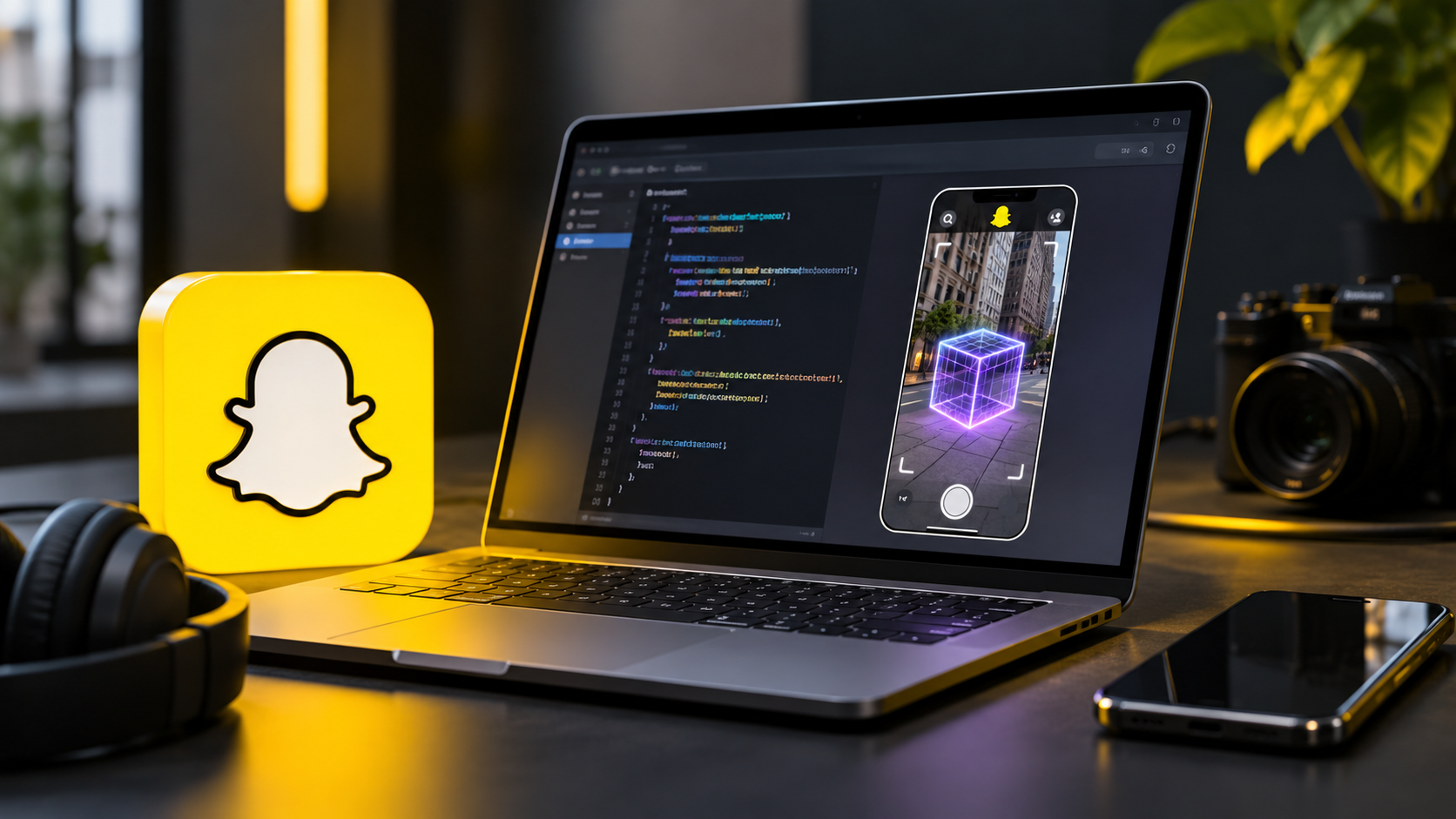
Snapchat is making augmented reality (AR) creation easier, and creators may no longer need coding skills to turn their ideas into interactive experiences.
On November 18, 2026, Snapchat announced Easy Lens CLI, a new tool that allows developers to build Snapchat Lenses using AI coding assistants like Claude Code, Cursor and Codex.
The idea is simple: describe what you want to create, and AI handles much of the technical work.
How Does Snapchat’s Easy Lens CLI Work?
Building an AR Lens traditionally requires technical knowledge, specialised tools and testing. Easy Lens CLI aims to simplify that process by bringing Lens creation into familiar AI-powered workflows.
According to Snapchat’s official announcement, creators can access:
- Over 100 AR building blocks
- More than 50 AI asset generators
- AI-powered previews, testing and error correction
- Direct publishing and performance tracking
From beauty filters and animated effects to interactive games with leaderboards, creators can experiment with multiple formats.
Snapchat claims developers can even take a game from concept to publication within a single day, without manually writing code.
Snapchat’s Growing AR Creator Economy
Snapchat’s AR ecosystem is already substantial.
At Lens Fest 2025, Snap reported that 400,000 developers had created more than 4 million Lenses over the preceding decade.
The company also revealed that $1.8 million was paid to Lens+ community creators in October 2026. Eligible developers using Easy Lens CLI can participate in the Lens+ Payouts programme.
This builds on Snapchat’s broader creator monetisation efforts, which The Reelstars previously explored.
What Does This Mean for Indian Creators and Brands?
For Indian creators, the possibilities extend beyond traditional filters.
Beauty creators could develop virtual makeup experiences, gaming creators could build interactive challenges, and entertainment creators could turn recurring characters into AR experiences.
Brands and agencies could also transform existing campaign assets into interactive content, potentially reducing production time.
For independent creators, easier development could mean experimenting with AR without investing heavily in technical expertise.
However, accessibility doesn’t guarantee success. As The Reelstars explored in its analysis of YouTube originality in 2027, distinctive ideas remain important as AI-powered creation becomes more common.
The bigger shift? Creators are moving from producing content audiences watch to developing experiences they can participate in.
And Snapchat wants to make building those experiences easier than ever.






Snapchat Launches Easy Lens CLI: Now Create AR Lenses With AI, No Coding Needed

Payal Gaming Present Esports Organisation of the Year Award at Esports Awards 2026

Instagram Finally Lets You Edit Stories After Posting: Here’s What’s New for Creators

Chennai Techie Dies After Alleged Assault at Delhi Influencer’s Home

Raghu Ram Returns To MTV Roadies After 12 Year

Bigg Boss 20: Kaashvi Hiranandani Reacts To Online Hate Amid ScoutOP-Love Gill Controversy

YouTube in 2027: Why Copying Content Won’t Work for Creators

Snax Gaming Makes His Debut As Award Presenter At Esports Awards 2026 In Miami

Vixens Crew Collaborates With Quick Style For A Dance On ‘Jhanak Jhanak’

Microdramas Are Winning the Download Race. But Are They Winning the Audience?

Food Pharmer’s Cannes Look That Never Walked

Parul Gulati Wears Nish Hair on the Cannes 2025 Red Carpet

Nancy Tyagi’s 700-Hour DIY Gown Turns Heads at Cannes 2025

Navya Nanda’s IIM Ahmedabad Triumph: From Controversy to Campus Joy

Influencer Kareema’s Heartwarming Journey with Suki

Prajakta Koli and Vrishank Khanal’s Wedding

Prajakta Koli’s Haldi and Cocktail Celebrations

Prajakta Koli and Vrishank Khanal’s Pre-Wedding Celebrations

Prajakta Koli x Vrishank Khanal Magical Mehendi

Milind Soman & Ankita’s Maha Kumbh 2025 Experience

Instagram Edits Adds Halloween Effects, 13 Text Animations and New Editing Tools

Samay Raina, Prajakta Kohli & over 60 other influencers got awarded at InfluencEX Awards

Instagram Is Testing 90-Minute Videos. Will YouTube Have Its New Rival?

Why Indian Models Are Going Viral With This Trend

Rizz Master Brings India’s First Vertical Dating Show to JioHotstar’s Tadka

Gangstar Mirage City’s First Major Update Adds a Halloween Takeover, Player-Run Businesses and 50-Player Syndicate System

ShareChat and Moj Launch ‘Saas, Bahu aur Magic’ Micro-Drama With Glow & Lovely

Bharti Singh and Haarsh Limbachiyaa to Launch Their Own Micro-Drama App

Nakul Dhull Gains 800K Followers After Bigg Boss 20
