
Trending
How an Online Prank Forced a Madurai Influencer to Leave Home
A festive request spiralled into fake COD orders, distressing calls and unwanted deliveries, exposing the darker side of online pranks and harassment.

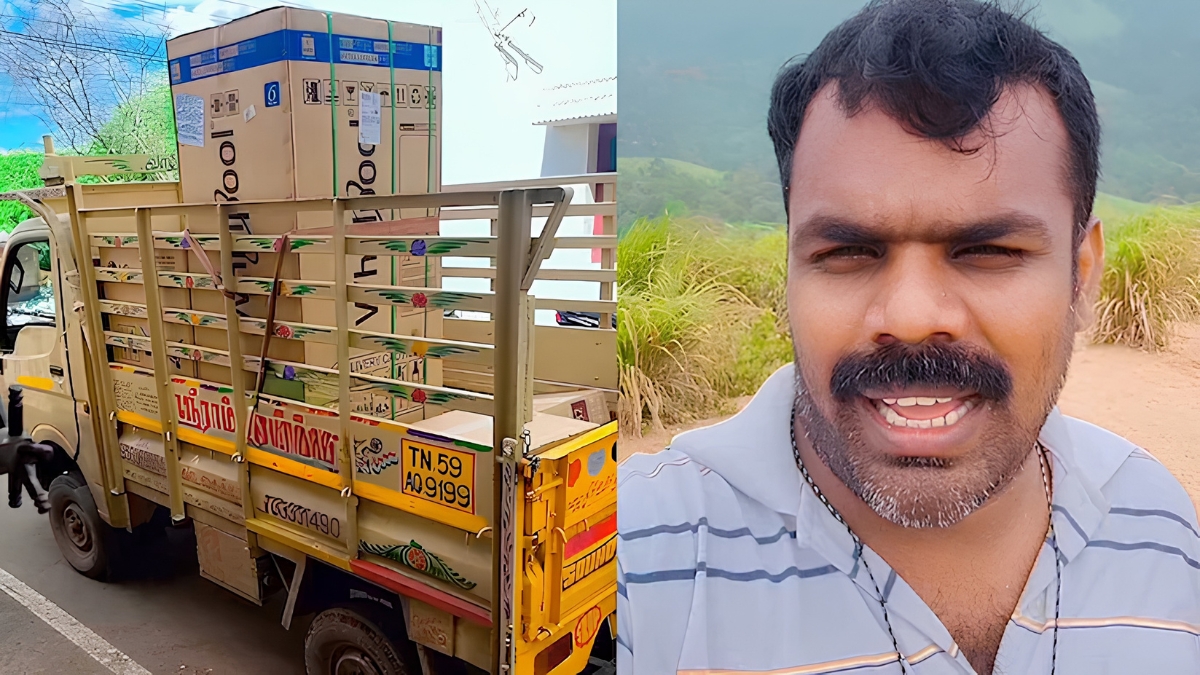
A box of Diwali sweets was all Veeramani wanted. Instead, the Madurai-based content creator found himself dealing with repeated deliveries of expensive electronics, household appliances and food he had never ordered. The ordeal began after he shared his residential address on social media, hoping a follower would send him a festive treat. What followed was a wave of unwanted cash-on-delivery (COD) orders, including a television reportedly worth Rs 1.69 lakh. As the deliveries continued despite his pleas, the situation became so distressing that Veeramani reportedly left his home. The incident has since raised questions about online harassment, personal information and the misuse of e-commerce services.
How a Request for Diwali Sweets Went Wrong
Veeramani is a social media creator from Madurai, Tamil Nadu, known for his humorous videos, local slang and informal interactions with followers.
His earlier experience with online generosity had been positive. According to The Times of India, he had previously asked followers for financial help towards a long-awaited trip. People reportedly contributed around Rs 6,000, which he used to travel to Kerala and share videos from the trip.
With Diwali approaching, he made another request. This time, he hoped someone would send him a box of sweets. He shared his home address in West Anuppanadi, Madurai, expecting a simple festive gesture.
Instead, people allegedly began using his details to place orders he had never made.
TVs, Refrigerators and Phones Arrive on Cash on Delivery
Delivery agents from Amazon and Flipkart reportedly began arriving at Veeramani’s residence with expensive electronics and household appliances.
The unwanted orders included televisions, refrigerators, washing machines and smartphones. One television order carried a reported price tag of Rs 1.69 lakh.
The problem was that these were cash-on-delivery orders. Payment was expected when the products arrived, even though Veeramani said he had not ordered them.
He also reportedly could not provide the one-time passwords required to complete the deliveries. The situation left him dealing with repeated calls and visits from delivery personnel while trying to explain that the orders were not his.
Food delivery workers from Swiggy and Zomato were also reportedly sent to his address with orders he had not placed.
The prank was no longer a one-off inconvenience. Each new order meant another delivery attempt, another explanation and more disruption for the person at the centre of it.
The Rs 70 Crore Tank Claim: What Is Verified?
The incident took an even stranger turn when screenshots circulated online claiming that a JCB excavator and military tanks had been ordered to Veeramani’s address.
Some posts referred to a military tank allegedly worth Rs 70 crore. However, these extraordinary claims have not been independently verified and should not be treated as confirmed deliveries.
The reported deliveries of electronics and household appliances are distinct from these viral claims. The tank story illustrates how online pranks can grow through exaggerated posts, even when the underlying details remain uncertain.
“Please Stop Placing Orders”: Veeramani’s Emotional Appeal
As the unwanted deliveries continued, Veeramani posted a video asking people to stop.
“I fall at your feet. Please stop placing orders,” he pleaded, according to The Times of India. He also described the pressure caused by the repeated calls and deliveries.
His appeal reportedly failed to end the ordeal immediately.
There was another disturbing development. Reports said his phone number had been circulated in connection with kidney donation enquiries, leading people to contact him about something he had not offered.
When The Times of India visited his residence, the door was locked. Neighbours said he had left the house after the repeated deliveries. Reports also said his publicly shared phone number was no longer reachable, and his current whereabouts were unclear.
The episode had moved far beyond a prank involving unwanted parcels. It was affecting his ability to remain at home and use his phone without being disturbed.
The Hidden Cost of Fake COD Orders
Cash on delivery allows customers to pay when a product arrives. But when someone uses another person’s details to place unwanted orders, the system can become a tool for harassment.
The person targeted may have to repeatedly refuse deliveries, answer calls and explain the situation. Delivery workers also spend time travelling to an address for orders that cannot be completed. Sellers and logistics companies may face avoidable handling and return costs.
The incident does not establish that Veeramani was charged for the unwanted goods. The reported problem was that he was repeatedly confronted with orders he had not placed and was expected to deal with their delivery.
It also highlights the risks of publishing a residential address and phone number online. Sharing personal details can make it easier for others to misuse them, even when the original intention is harmless.
That does not make the person sharing the information responsible for someone else’s decision to misuse it. The responsibility for deliberately placing fraudulent or harassing orders lies with those who do so.
When Does an Online Prank Become Harassment?
Internet pranks often rely on surprise, embarrassment or an exaggerated reaction. But the line between humour and harassment becomes clear when the person targeted asks for the behaviour to stop.
In Veeramani’s case, the reported pattern involved repeated unwanted orders, pressure on his household and disturbing calls. The fact that the orders were placed online did not make their consequences any less real.
The episode also raises questions about safeguards against misuse of customer details. Platforms and delivery services have a role in handling complaints, identifying suspicious order patterns and making it easier for recipients to report repeated unwanted deliveries.
The available reports do not establish whether a police complaint was filed or whether any individual was identified as responsible.
A Diwali Lesson About Digital Responsibility
Social media can turn a small request into a moment of generosity. Veeramani’s earlier experience showed how followers could come together to help someone fulfil a personal wish.
This time, however, the same openness was reportedly exploited.
A television worth Rs 1.69 lakh may make for a striking headline, and claims about a military tank may attract even more attention. But the central issue is not the price of the products or the absurdity of the alleged orders. It is the impact on the person who had to deal with them.
The incident is a reminder that an online prank does not remain harmless simply because it is easy to execute. When it involves someone’s personal details, repeated unwanted deliveries and distress, the consequences extend beyond the screen.
A request for sweets should not leave someone afraid to answer the door.

Indian Creator Maya Gupta Meets MrBeast After 365-Day Challenge, Receives $10,000 for Charity

Doctors Can No Longer Use Patient Reviews and AI Ads to Attract Patients

More Than 5 Lakh Followers? SEBI’s New Rules Could Classify Influencers as Celebrities

YouTube Is Letting Creators See What Works for Their Competitors

How an Online Prank Forced a Madurai Influencer to Leave Home

Call-Out Review: When Dance Meets Daily Soap Drama

Top Female Mental Health Creators in India To Follow On World Mental Health Day

From Air Force Officer to Travel Creator: Amit Mehta’s Journey of Exploring India

Exclusive: YouTube Money Is Not Enough: Indrajit Lahiri on 10 Years of Foodka and Building a Business Beyond Content

Bhuvan Bam Explores Dubai’s Beautyworld Event as SARKAR Looks Beyond the Studio

Food Pharmer’s Cannes Look That Never Walked

Parul Gulati Wears Nish Hair on the Cannes 2025 Red Carpet

Nancy Tyagi’s 700-Hour DIY Gown Turns Heads at Cannes 2025

Navya Nanda’s IIM Ahmedabad Triumph: From Controversy to Campus Joy

Influencer Kareema’s Heartwarming Journey with Suki

Prajakta Koli and Vrishank Khanal’s Wedding

Prajakta Koli’s Haldi and Cocktail Celebrations

Prajakta Koli and Vrishank Khanal’s Pre-Wedding Celebrations

Prajakta Koli x Vrishank Khanal Magical Mehendi

Milind Soman & Ankita’s Maha Kumbh 2025 Experience

Meta One Launches With Paid AI, Creator Tools And New Features Across Instagram, Facebook And WhatsApp

YouTube Shorts Changes Repost Rules: What Creators Need To Know About Original Content

Adam Mosseri Reveals Instagram Trial Reels Rule That Could Limit Your Reach

What Is Meta’s New “Muse” AI And Why Are Users Seeing It?

Roopali Agrawal aka Rockonroops Turning Family Life Into Conversations On Fashion, Freedom And Safety

Technical Guruji’s iPhone 18 Pro Max Giveaway: Nearly 100 Phones And A Big Question About The Cost

Eloelo Launches Dolphin AI: Will AI Video Tools Change The Future Of Creators And Filmmakers?

Is Orry Getting Married? Close Friends Story Sparks Questions As His Past Wedding Rumours Resurface

Why Is MrBeast Back in India? Is His India Connect Getting Bigger in 2026?
