
Biz
Why Is Kunal Shah Joining WhatsApp? Inside Meta’s $900 Million Bet on CRED
Meta is reportedly investing $900 million in CRED while founder Kunal Shah prepares to take charge of WhatsApp globally.

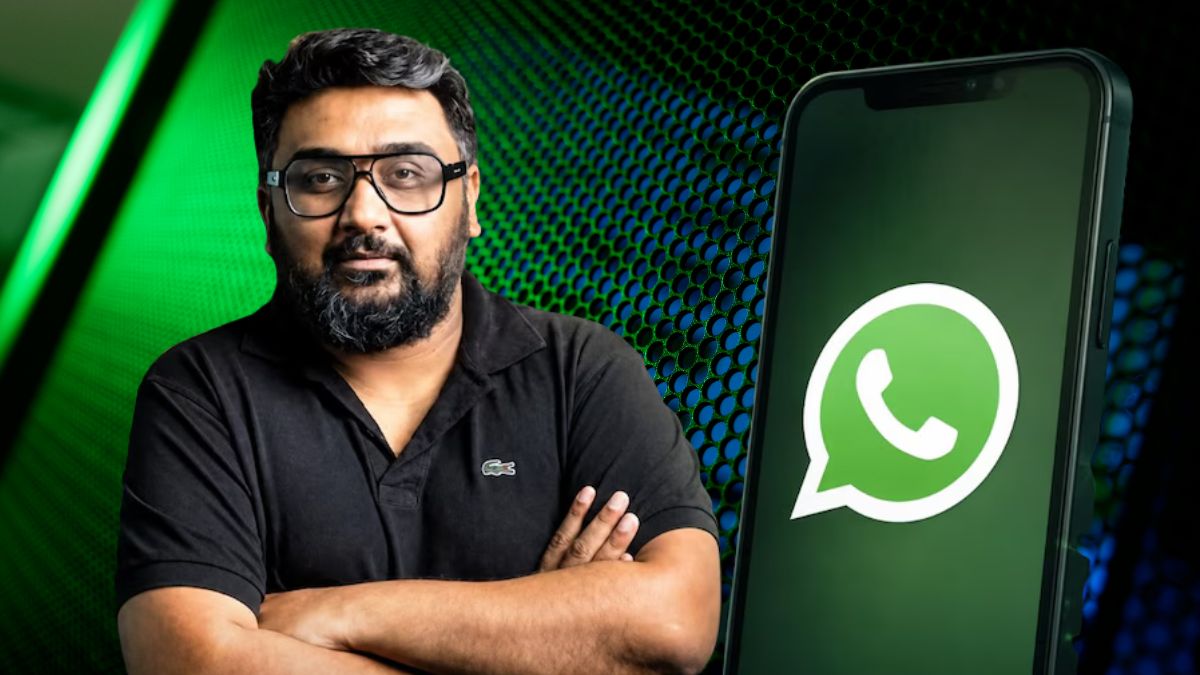
In a move that could reshape both India’s startup ecosystem and Meta’s global product strategy, CRED founder Kunal Shah has announced that he will step down from his operational role at the fintech company and join Meta to lead WhatsApp globally. The transition comes alongside a reported $900 million investment by Meta into CRED, giving the technology giant an approximately 20% minority stake in one of India’s most closely watched fintech startups.
Why Is Kunal Shah Leaving CRED?
Shah said CRED is entering a new phase of growth and is ready to operate under a new leadership structure.
In a post reflecting on his entrepreneurial journey, Shah recalled launching CRED with $1 million of his own capital after selling FreeCharge and spending several years investing and learning.
Since then, CRED has grown from a credit card rewards platform into a broader financial services ecosystem spanning payments, lending, insurance, wealth management, commerce and credit cards.
According to Shah, the company has grown to over 17 million members, generated annual revenue of approximately $325 million and recently recorded its first profitable quarter.
Who Will Lead CRED Now?
With Shah stepping away from day-to-day operations, Miten Sampat will take over as interim CEO.
Sampat previously led strategy and finance at CRED and has worked closely with Shah since 2020.
Shah will continue to remain a shareholder and supporter of the company, stating that his commitment to the business remains unchanged despite the leadership transition.
Why Is Meta Investing in CRED?
Under the reported deal, Meta will invest $900 million into CRED as part of the company’s Series H funding round.
The transaction values the Bengaluru-based fintech startup at approximately $4.5 billion.
The investment includes a combination of primary capital and secondary share purchases.
Both companies have reportedly clarified that Meta will not receive access to customer data as part of the transaction.
Instead, the investment positions Meta as a strategic minority shareholder in one of India’s largest fintech platforms.
Why Is Meta Interested in Kunal Shah?
Over the past decade, Shah has emerged as one of India’s most influential entrepreneurs and product thinkers.
Beyond building FreeCharge and CRED, he has developed a reputation for consumer behaviour insights, product strategy and fintech innovation.
His appointment suggests Meta may be looking to accelerate WhatsApp’s next phase of growth, particularly in areas such as payments, commerce, business messaging and financial services.
What Could Kunal Shah Change at WhatsApp?
While WhatsApp already serves billions of users globally, Shah believes there is significant untapped potential.
In announcing the move, he described the gap between WhatsApp’s current scale and its future possibilities as “massive.”
Industry observers expect his experience in fintech and consumer products could strengthen WhatsApp’s ambitions around:
- Digital payments
- Commerce integrations
- Business communication
- Financial services
- Creator and merchant ecosystems
These areas have become increasingly important as Meta looks to monetise WhatsApp more effectively.
What Does This Mean for India’s Startup Ecosystem?
If completed, the deal would represent one of the most significant intersections between Silicon Valley and India’s startup ecosystem in recent years.
It would also place an Indian entrepreneur at the helm of one of the world’s most widely used digital products.
For Indian founders, the development would reinforce the growing influence of India’s technology leaders on global platforms and product strategy.
What’s Next?
The reported transition marks the end of one chapter for Kunal Shah and the beginning of another.
After building two of India’s most recognised technology companies, he now faces the challenge of shaping the future of a platform used by billions of people worldwide.
Whether that future includes deeper commerce, payments or entirely new categories remains to be seen, but the move would undoubtedly rank among the most significant leadership shifts in global technology this year.



Exclusive: Chhote & Aandu: The Couple Behind Billions of Views, Viral Reels and an Unfiltered Creator Life

Vir Das Gets Third International Emmy Nomination For ‘Fool Volume’

Why Is MrBeast Back in India? Is His India Connect Getting Bigger in 2026?

Darshan Magdum To Finally Arrive In US As Boy Throb Announces Free Darshan Day Event

Mirabai Chanu Wins Silver At Asian Games 2026, Ends India’s 28-Year Wait For Weightlifting Medal

MS Dhoni Becomes SpeakX Brand Ambassador For English Learning Campaign

Adam Mosseri Reveals Instagram Trial Reels Rule That Could Limit Your Reach

Ranveer Allahbadia Takes Gen Z Inside India’s Space-Tech Boom With Skyroot Visit

7 Indian States Using Creators To Promote Tourism, Culture And Government Schemes

Shru Gaming: The Mom Gamer Proving Gaming And Motherhood Can Coexist

Food Pharmer’s Cannes Look That Never Walked

Parul Gulati Wears Nish Hair on the Cannes 2025 Red Carpet

Nancy Tyagi’s 700-Hour DIY Gown Turns Heads at Cannes 2025

Navya Nanda’s IIM Ahmedabad Triumph: From Controversy to Campus Joy

Influencer Kareema’s Heartwarming Journey with Suki

Prajakta Koli and Vrishank Khanal’s Wedding

Prajakta Koli’s Haldi and Cocktail Celebrations

Prajakta Koli and Vrishank Khanal’s Pre-Wedding Celebrations

Prajakta Koli x Vrishank Khanal Magical Mehendi

Milind Soman & Ankita’s Maha Kumbh 2025 Experience

Meta One Launches With Paid AI, Creator Tools And New Features Across Instagram, Facebook And WhatsApp
Adam Mosseri Reveals Instagram Trial Reels Rule That Could Limit Your Reach

ScoutOP Reveals ₹30 Lakh Monthly Income

AI Content Creator Platform Creedom Raises ₹4.1 Crore in Seed Funding

Snoop Dogg Has the Job We All Secretly Want: ₹10 Lakh A Month to Eat Ice Cream

R Udhay Is Helping Creators Level Up Their Content With Editing, AI & Instagram Tips

Internet Famous Golden Retriever Tucker Budzyn Diagnosed With Lymphoma

Is Saurav Joshi Really Entering GTA VI? Here’s What We Found

Visha Khandelwal’s 2-Minute Reel Crosses 500K Views With Just a Personal Story
