
Entertainment
Millions Use These Viral Songs, But Are the Artists Getting Paid?
Why India's viral music boom isn't translating into earnings for artists, despite millions of views and growing creator demand.

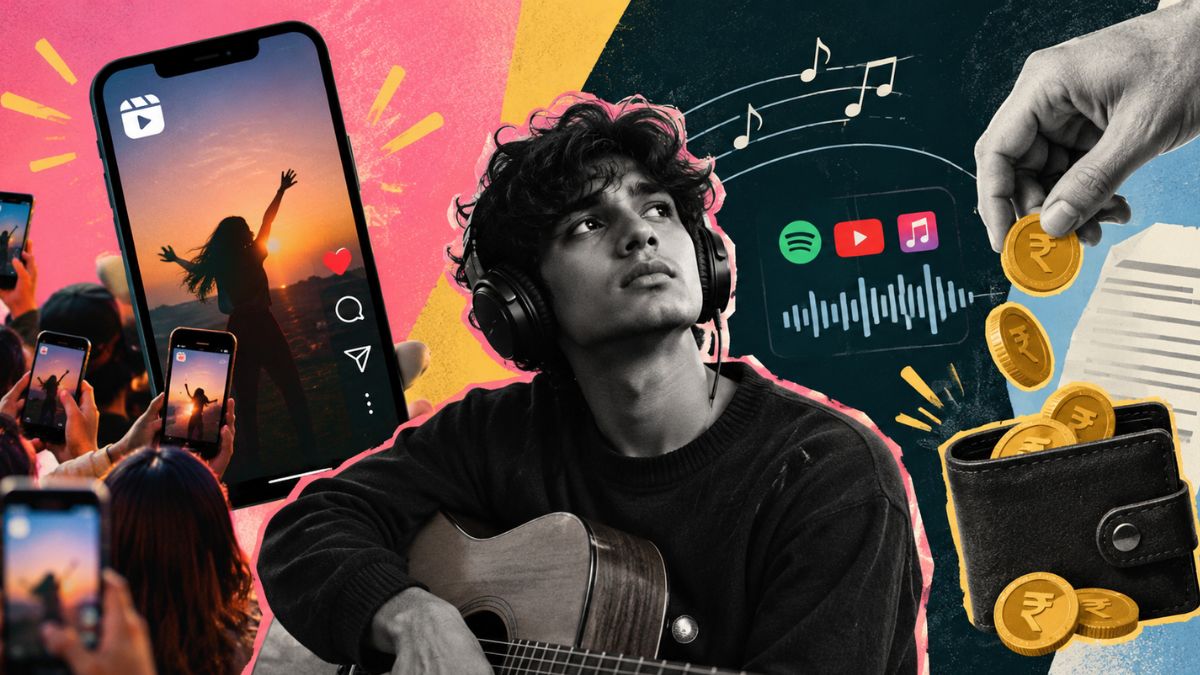
A song goes viral on Instagram Reels. Thousands of creators use it, millions watch their videos, and the track becomes impossible to escape. But while the internet keeps listening, one question remains: Are the artists behind these viral hits actually making money? India has around 2–2.5 million active digital creators, according to a 2025 report by Boston Consulting Group (BCG). These creators influence an estimated $350–400 billion in annual consumer spending, a figure projected to exceed $1 trillion by 2030. However, the financial rewards remain uneven. BCG estimates that only 8–10% of creators monetise their content effectively. Many nano and micro creators earn less than Rs 18,000 a month. Music plays a major role in this ecosystem. It drives trends, gives Reels their identity, and helps creators reach wider audiences. Yet the people composing and producing these tracks do not always receive a fair share of the value their music generates.
Who Makes Money When a Song Goes Viral?
The creator economy in India is thriving, yet the issue of who really makes money from virality has not been addressed yet, Gaurav Dagaonkar, Co-Founder and CEO of Hoopr, told NDTV.
According to Dagaonkar, platforms and creators with established music libraries often benefit from viral trends, while independent musicians may struggle to earn proportionately from their songs’ popularity. Creators, meanwhile, risk copyright claims and takedowns when they use music without the necessary permissions. Mumbai-based musician and songwriter Kaustubh Patil explains that music usage can be tracked through systems such as Content ID, which help identify and manage the use of recorded music across digital platforms.
When a track generates revenue, the amount an artist receives depends on several factors, including the distribution arrangement, applicable fees, rights ownership and agreements between collaborators. If multiple artists contributed to a track, earnings may also be divided according to their respective rights and contractual terms. This means going viral is only one part of the equation. The rights attached to a song and the way it is distributed can influence whether its popularity translates into meaningful earnings.
Three Ways Music Goes Viral
Patil identifies different ways music becomes part of the creator economy, from convenient background tracks to carefully planned viral campaigns.
1. Stock music for convenience
Brands and creators often use music from stock libraries to avoid copyright complications. These tracks offer a straightforward option for content production, although the creative possibilities depend on the available catalogue and licence terms.
2. Riding an existing trend
Some creators deliberately use trending songs to make their content more discoverable. A popular track can help a Reel fit into an ongoing trend, encouraging viewers to engage with it. However, using a trending song does not guarantee reach or engagement.
3. Designing music for virality
Artists and labels sometimes create songs around catchy hooks, memorable lyrics or sections that work well in short-form videos. They may then promote these tracks through popular creators, encouraging others to use the music.
Virality can also create opportunities beyond royalties. Musicians may gain streams, recognition and live performance offers, while creators can attract followers and potential brand partnerships. However, these benefits vary from one campaign and artist to another.
Can Music Licensing Fix the Problem?
Dagaonkar believes licensing can help make music monetisation more structured by establishing payment and usage rights before content is published. Through licensing, artists can earn income when brands and creators use their music under agreed terms. Royalties may also flow through rights organisations such as the Indian Performing Right Society (IPRS), depending on the rights involved and the relevant arrangements.
Dagaonkar says Hoopr has paid more than Rs 4.5 crore to over 1,500 artists across more than 20 genres. The branded content market offers another potential revenue stream. Dagaonkar estimates that more than 80,000 brands and five lakh creators in India produce branded content, representing an opportunity worth around Rs 1,500 crore.
Every advertisement, promotional reel and branded video needs an appropriate soundtrack. As this market expands, licensed music could give independent artists more opportunities to earn from commercial use of their work. For brands, licensing also offers a clearer way to secure music rights and reduce the risk of copyright disputes.
Millions Listen to Music, But Fewer Pay for It
According to figures cited by Hoopr, 96% of smartphone users listen to music, but only 38% have ever paid for it. The company also cites around 14 million paid music subscriptions in India, compared with more than 200 million for video.
Free music access through platforms such as YouTube makes listening easy, but it also complicates the shift towards paid music consumption. Rights management presents a further challenge. Music ownership can involve multiple parties, awareness of licensing requirements remains limited, and identifying every instance of commercial music usage can be difficult.
Hoopr estimates that unlicensed commercial music use results in approximately Rs 3,600 crore in lost licensing revenue annually. This figure reflects the company’s estimate rather than an independently established measure of industry-wide losses.
The Real Cost of Free Music
India’s creator economy has made music more visible than ever. A track can reach millions of people through short-form videos, sometimes becoming a cultural moment in the process. But reach alone does not guarantee revenue. Artists need transparent rights agreements, effective tracking, accessible licensing options and a clearer understanding of how their music is being used.
Dagaonkar argues that brands must begin treating music as a paid creative asset rather than a free resource. That shift could help create a more sustainable relationship between musicians, creators, platforms and advertisers.
The next big challenge for India’s viral music economy is not getting people to listen. It is ensuring that the people who create the music can earn from its success.
Read more on The Reel Stars for more stories on music creators, viral hits, and the money behind the music shaping India’s creator economy.





Roblox Creator Economy in India: Earnings, Jobs and Opportunities for Game Developers

IRL: The Raw, Real Stories Behind the Creators We Follow

Millions Use These Viral Songs, But Are the Artists Getting Paid?

Nakul Dhull Gains 800K Followers After Bigg Boss 20

9 Times Indian Creators Faced Legal Trouble

Indian Creator Aakansha Monga Gives Taiwan’s Toilet-Themed Restaurant Food 5/10

Who Needs Google When You Have Aapki Dadda? A 85-Year-Old Creator

‘I Couldn’t Express Myself Properly’: Aman Gandhi Opens Up About His Bigg Boss 20 Eviction

Bharti Singh and Haarsh Limbachiyaa to Launch Their Own Micro-Drama App

ShareChat and Moj Launch ‘Saas, Bahu aur Magic’ Micro-Drama With Glow & Lovely

Food Pharmer’s Cannes Look That Never Walked

Parul Gulati Wears Nish Hair on the Cannes 2025 Red Carpet

Nancy Tyagi’s 700-Hour DIY Gown Turns Heads at Cannes 2025

Navya Nanda’s IIM Ahmedabad Triumph: From Controversy to Campus Joy

Influencer Kareema’s Heartwarming Journey with Suki

Prajakta Koli and Vrishank Khanal’s Wedding

Prajakta Koli’s Haldi and Cocktail Celebrations

Prajakta Koli and Vrishank Khanal’s Pre-Wedding Celebrations

Prajakta Koli x Vrishank Khanal Magical Mehendi

Milind Soman & Ankita’s Maha Kumbh 2025 Experience

YouTube Is Letting Creators See What Works for Their Competitors

YouTube Shorts Changes Repost Rules: What Creators Need To Know About Original Content

Adam Mosseri Reveals Instagram Trial Reels Rule That Could Limit Your Reach

What Is Meta’s New “Muse” AI And Why Are Users Seeing It?

Roopali Agrawal aka Rockonroops Turning Family Life Into Conversations On Fashion, Freedom And Safety

Eloelo Launches Dolphin AI: Will AI Video Tools Change The Future Of Creators And Filmmakers?

Why Is MrBeast Back in India? Is His India Connect Getting Bigger in 2026?

Creator Twinkle Dhoot Shares 10 Trial Reel Formats Creators Should Try

MS Dhoni Becomes SpeakX Brand Ambassador For English Learning Campaign
