
News
China’s Bilibili Goes Global, Taking Aim at YouTube and Gen Z
Bilibili goes global with an international app, AI translation and a Gen Z focus as it takes on the global creator market.

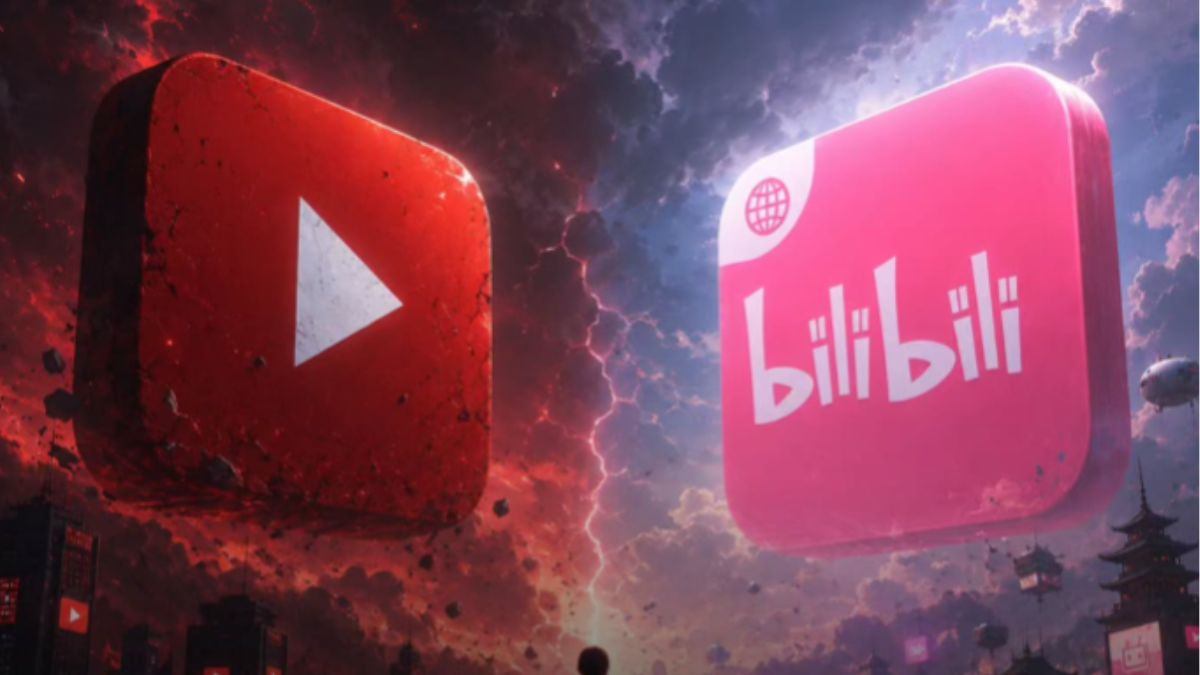
China’s Bilibili is making a fresh push into the global video market, relaunching its international app as it looks to compete for audiences and creators beyond its home market. Often described as China’s answer to YouTube, Bilibili allows users to upload videos, watch content and livestream. While the platform has been available outside China before, its latest move signals a more serious attempt to build a global creator ecosystem.
Bilibili’s Global Push
The international version of the Bilibili app is currently available for Android users through the Google Play Store, while an iOS version is expected to arrive soon. The company has also indicated that availability will expand to more countries over time. The refreshed international app comes with globally distributed content, improved localisation and a simplified sign-up process. Notably, users no longer need identity verification to create an account, removing one of the barriers that previously affected international users. Bilibili is also introducing AI-powered translation features, making content more accessible to audiences who may not speak the original language.
More Than Just Another YouTube Alternative
Bilibili has built a particularly strong identity around younger audiences, with its ecosystem spanning user-generated videos, livestreams, gaming, anime and community-driven content. The platform is now looking to bring that culture to a much wider audience. Its international strategy reportedly includes courting creators outside China, while the company is also developing an English-language website and expanding its presence in markets including the US, Europe and Japan. The company has reportedly begun hiring community-focused roles across cities such as Los Angeles, London, Tokyo, Istanbul and São Paulo, pointing towards a broader effort to localise its international operations.
Why Gen Z Matters?
Bilibili’s appeal has historically been closely tied to younger internet users. Its combination of video, livestreaming, gaming, anime and highly engaged communities gives it a positioning that goes beyond traditional video streaming. For creators, the global expansion could offer another platform to build audiences at a time when YouTube remains highly competitive. Bilibili is positioning itself towards a younger, digitally engaged audience and appears to be looking beyond simply exporting Chinese content.
Can Bilibili Challenge YouTube?
Taking on YouTube globally will be a significant challenge. YouTube already has a massive international audience and an established creator monetisation ecosystem. However, Bilibili is entering the market with an existing community, a large content library and a distinct culture built around younger audiences. Reports estimate that the platform had around 340 million monthly active users in 2025, although most of its audience has historically been based in China.
The bigger question now is whether Bilibili can turn its popularity at home into meaningful adoption overseas. With an international app, easier access, AI translation, creator recruitment and plans for further localisation, China’s video giant is clearly signalling that it wants a much bigger place in the global creator economy. For Gen Z creators and viewers, that could mean a new contender entering an already crowded video landscape.


From Air Force Officer to Travel Creator: Amit Mehta’s Journey of Exploring India

Exclusive: YouTube Money Is Not Enough: Indrajit Lahiri on 10 Years of Foodka and Building a Business Beyond Content

Bhuvan Bam Explores Dubai’s Beautyworld Event as SARKAR Looks Beyond the Studio

Eloelo Launches Dolphin AI: Will AI Video Tools Change The Future Of Creators And Filmmakers?

Surat Influencer Simran Patel Arrested Over Gandhi Reel: What We Know About Her Content

Why CRED Cast Rakhi Sawant To Explain Loan Stacking: Any Marketing Strategy?

Sufi Motiwala Turns 23, Celebrates Birthday After Recalling Near-Fatal Sea-Link Accident

OpenAI Releases 722 Maths Papers: Could AI Be Closing In On Longstanding Mathematical Mysteries?

India’s Internet Is 10 Times Faster Than In 2022. What Does That Mean For Everyday Life?

Creator-Actor Mahhi Vij’s Instagram Account Reportedly Disabled, Team Yet To React

Food Pharmer’s Cannes Look That Never Walked

Parul Gulati Wears Nish Hair on the Cannes 2025 Red Carpet

Nancy Tyagi’s 700-Hour DIY Gown Turns Heads at Cannes 2025

Navya Nanda’s IIM Ahmedabad Triumph: From Controversy to Campus Joy

Influencer Kareema’s Heartwarming Journey with Suki

Prajakta Koli and Vrishank Khanal’s Wedding

Prajakta Koli’s Haldi and Cocktail Celebrations

Prajakta Koli and Vrishank Khanal’s Pre-Wedding Celebrations

Prajakta Koli x Vrishank Khanal Magical Mehendi

Milind Soman & Ankita’s Maha Kumbh 2025 Experience

Meta One Launches With Paid AI, Creator Tools And New Features Across Instagram, Facebook And WhatsApp

YouTube Shorts Changes Repost Rules: What Creators Need To Know About Original Content

Adam Mosseri Reveals Instagram Trial Reels Rule That Could Limit Your Reach

Roopali Agrawal aka Rockonroops Turning Family Life Into Conversations On Fashion, Freedom And Safety

What Is Meta’s New “Muse” AI And Why Are Users Seeing It?

Technical Guruji’s iPhone 18 Pro Max Giveaway: Nearly 100 Phones And A Big Question About The Cost

Is Orry Getting Married? Close Friends Story Sparks Questions As His Past Wedding Rumours Resurface

The Traitors 2 Reunion Was Full Of Kalesh, Confrontations And Long-Pending Answers

Why Is MrBeast Back in India? Is His India Connect Getting Bigger in 2026?
