
Entertainment
Nukkad Naatak: Where the Streets Tell Stories
This article highlights Nukkad Natak as a powerful street theatre form and its evolution into cinema through Nukkad Naatak.

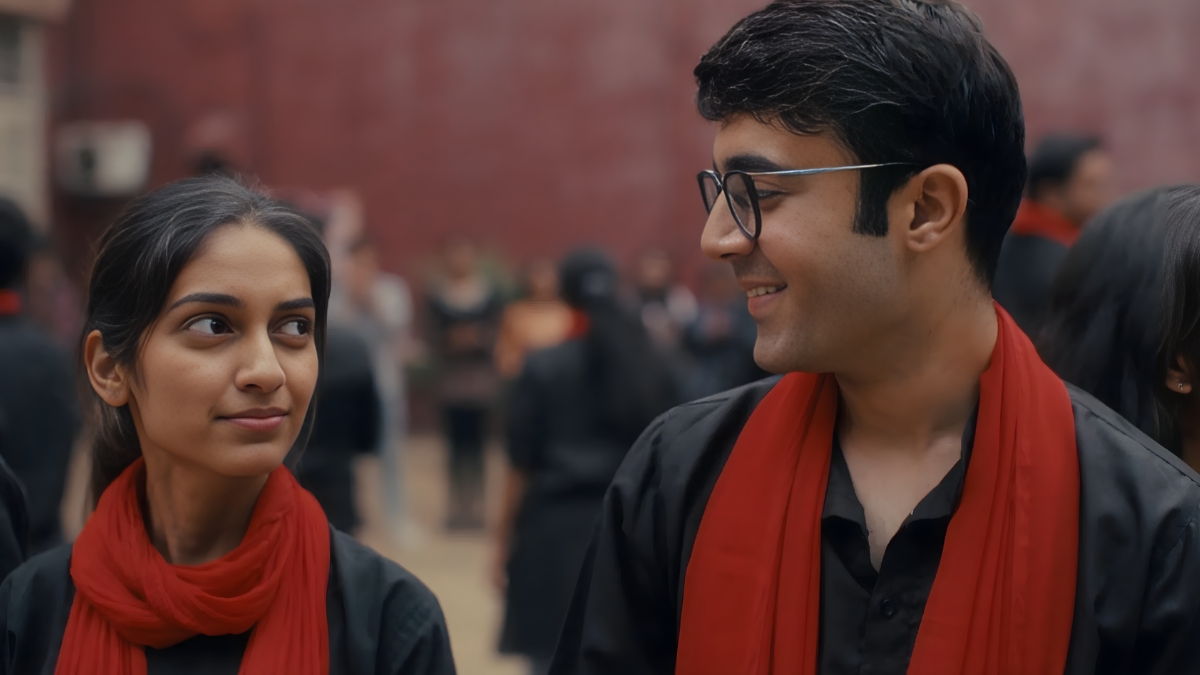
Street theatre has always been about raising important questions. It talks about social issues like gender inequality, injustice, and mental health topics that are often ignored. Nukkad Natak speaks openly and directly, without any filters, making its message clear to everyone watching.
At a time when most conversations are happening on screens, the presence of Nukkad Nataak on our streets feels powerful and necessary. It is a simple form of theatre, yet full of purpose, an art that demands attention.Unlike performances in big auditoriums, Nukkad Natak happens in everyday public spaces. It does not wait for an audience; it creates one. In markets, college campuses, and street corners, performers gather people using only their voices, energy, and strong messages. And that is exactly what makes it so effective.
What makes it even more impactful is the way it involves the audience. There is no distance between the actors and the crowd. People watching are not just spectators, they feel connected, sometimes even becoming part of the performance. This connection makes the message stronger and more memorable.
Interestingly, this powerful form of expression also found its way into cinema. In February, filmmaker Tanmaya Shekhar released his debut independent film titled “Nukkad Naatak.” Starring Molshri and Shivang Rajpal, the film explored two worlds that existed close to each other, yet remained very different. At its core, it used the idea of street theatre to present the theme of education in a creative and conversational way staying true to the spirit of Nukkad Natak itself.
What made this project even more notable was the journey behind it. As a first-time independent filmmaker, Tanmaya navigated the industry without the support of a big production house. Instead, the entire team took on the responsibility of promoting and distributing the film themselves. As he shared in a conversation, “Marketing, we are doing everything ourselves. It’s kind of self-distribution only. We are putting the film in theatres ourselves… and we knew that we had to find the audience for this film.”Their efforts show that change can begin anywhere even on the streets.
In today’s digital world, where attention spans are short, forms like Nukkad Natak are more important than ever. While social media spreads information quickly, it often lacks depth. Street theatre, on the other hand, makes people pause, watch, and think.
Nukkad Natak is not just about performance; it is about awareness and expression. It gives a voice to important issues in a way that is direct and relatable. As long as people are willing to perform and others are willing to listen, this powerful form of storytelling will continue to thrive.

From Air Force Officer to Travel Creator: Amit Mehta’s Journey of Exploring India

Exclusive: YouTube Money Is Not Enough: Indrajit Lahiri on 10 Years of Foodka and Building a Business Beyond Content

Bhuvan Bam Explores Dubai’s Beautyworld Event as SARKAR Looks Beyond the Studio

Eloelo Launches Dolphin AI: Will AI Video Tools Change The Future Of Creators And Filmmakers?

Surat Influencer Simran Patel Arrested Over Gandhi Reel: What We Know About Her Content

Why CRED Cast Rakhi Sawant To Explain Loan Stacking: Any Marketing Strategy?

Sufi Motiwala Turns 23, Celebrates Birthday After Recalling Near-Fatal Sea-Link Accident

OpenAI Releases 722 Maths Papers: Could AI Be Closing In On Longstanding Mathematical Mysteries?

India’s Internet Is 10 Times Faster Than In 2022. What Does That Mean For Everyday Life?

Creator-Actor Mahhi Vij’s Instagram Account Reportedly Disabled, Team Yet To React

Food Pharmer’s Cannes Look That Never Walked

Parul Gulati Wears Nish Hair on the Cannes 2025 Red Carpet

Nancy Tyagi’s 700-Hour DIY Gown Turns Heads at Cannes 2025

Navya Nanda’s IIM Ahmedabad Triumph: From Controversy to Campus Joy

Influencer Kareema’s Heartwarming Journey with Suki

Prajakta Koli and Vrishank Khanal’s Wedding

Prajakta Koli’s Haldi and Cocktail Celebrations

Prajakta Koli and Vrishank Khanal’s Pre-Wedding Celebrations

Prajakta Koli x Vrishank Khanal Magical Mehendi

Milind Soman & Ankita’s Maha Kumbh 2025 Experience

Meta One Launches With Paid AI, Creator Tools And New Features Across Instagram, Facebook And WhatsApp

YouTube Shorts Changes Repost Rules: What Creators Need To Know About Original Content

Adam Mosseri Reveals Instagram Trial Reels Rule That Could Limit Your Reach

Roopali Agrawal aka Rockonroops Turning Family Life Into Conversations On Fashion, Freedom And Safety

What Is Meta’s New “Muse” AI And Why Are Users Seeing It?

Technical Guruji’s iPhone 18 Pro Max Giveaway: Nearly 100 Phones And A Big Question About The Cost

Is Orry Getting Married? Close Friends Story Sparks Questions As His Past Wedding Rumours Resurface

The Traitors 2 Reunion Was Full Of Kalesh, Confrontations And Long-Pending Answers

Why Is MrBeast Back in India? Is His India Connect Getting Bigger in 2026?
