
Uncategorized
Will iPhones Get More Expensive? Apple Signals Price Hikes as AI Fuels Global Chip Shortage
Apple says rising memory and storage costs are becoming impossible to absorb, raising concerns about future iPhone prices.

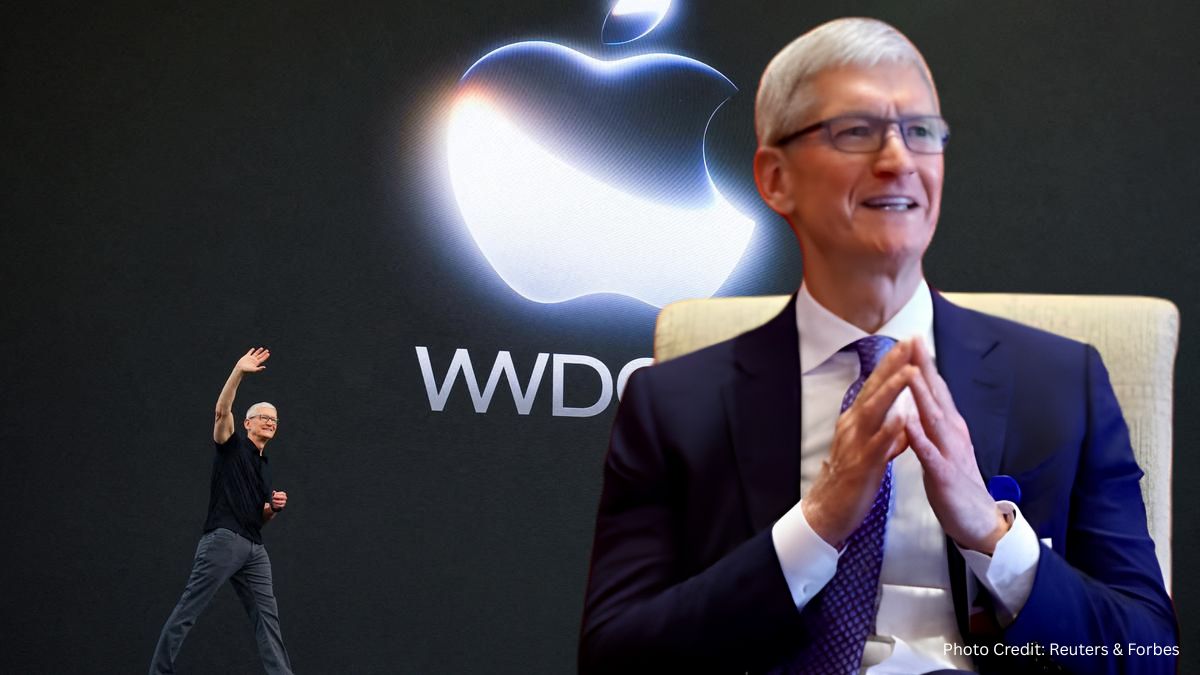
The artificial intelligence boom may soon hit consumers where it hurts most: their wallets. Apple CEO Tim Cook has warned that the company may have to increase prices across parts of its product portfolio as memory and storage chip costs continue to surge, driven largely by growing demand from AI companies and data centres. The comments come at a time when consumers are already facing rising costs across the technology industry, from gaming hardware and laptops to smartphones and cloud services.
Why Is Apple Considering Price Increases?
According to Cook, the primary challenge is the rapidly increasing cost of memory and storage components.
The explosion of artificial intelligence infrastructure worldwide has created unprecedented demand for chips used in servers, data centres and AI systems. As major technology companies race to expand their AI capabilities, consumer electronics manufacturers are finding themselves competing for the same components.
This competition has pushed prices significantly higher across the supply chain.
Cook said Apple has attempted to absorb these increases for as long as possible, but acknowledged that the situation is becoming increasingly difficult to sustain.
You might also like: ₹1.7 Lakh for a Gaming Handheld? MSI’s New Claw Price Shows Why 2026 Is Becoming a Tough Year for Gamers
Which Apple Products Could Become More Expensive?
Apple has not yet confirmed which products may be affected.
Cook declined to specify:
- Which devices could see price increases
- When the changes might take effect
- How significant the increases could be
However, analysts suggest that products relying heavily on memory and storage components could face the greatest pressure.
This potentially includes:
- iPhones
- iPads
- MacBooks
- iMacs
- Apple Vision products
For now, Apple has not announced any specific pricing changes.
Why Is AI Affecting Consumer Electronics Prices?
The issue extends well beyond Apple.
Artificial intelligence companies are investing billions of dollars into data centres packed with advanced hardware. These facilities require enormous quantities of memory chips and high-performance storage solutions.
As demand grows, manufacturers are prioritising supply for enterprise customers willing to pay premium prices, leaving consumer technology companies facing higher procurement costs.
The result is a ripple effect that is now being felt across multiple industries.
How Could This Impact Indian Consumers?
India has become one of Apple’s fastest-growing markets, making any future price changes particularly significant.
Indian consumers are already accustomed to premium pricing on flagship Apple products. If component costs continue rising, future iPhone and MacBook launches could become even more expensive.
The impact may be especially noticeable in a market where many buyers already stretch their budgets to purchase high-end smartphones.
For creators, influencers and professionals who rely heavily on Apple devices for content creation, editing and business operations, the prospect of higher prices could affect upgrade cycles and purchasing decisions.
Why Is This Also Relevant for Creators?
India’s creator economy has become increasingly dependent on Apple products.
From YouTubers and podcasters to filmmakers and influencers, many creators use iPhones, MacBooks and iPads as their primary production tools.
At the same time, the creator economy itself is being transformed by AI. Ironically, the same AI boom powering new creative tools may also make the hardware creators more expensive.
This creates an unusual situation where creators benefit from AI-driven productivity gains while simultaneously facing higher technology costs.
Is Apple the Only Company Facing This Problem?
Not at all.
The issue is affecting the wider technology industry.
Recent months have already seen rising prices across gaming hardware, handheld consoles, storage devices and high-performance computing equipment. Several manufacturers have cited similar challenges around memory and storage costs.
Industry observers increasingly view AI demand as one of the biggest drivers behind hardware inflation in 2026.
What Happens Next?
For now, Apple has not announced any immediate price changes.
However, Cook’s comments suggest the company is preparing consumers for the possibility that future products may cost more than previous generations.
As AI infrastructure investments continue accelerating worldwide, the competition for chips is unlikely to ease anytime soon.
The irony is difficult to ignore: the technology promising to make life more efficient may also make many of the devices people rely on more expensive.
And for millions of consumers waiting for their next iPhone upgrade, that could be one of AI’s most immediate real-world impacts.

Will iPhones Get More Expensive? Apple Signals Price Hikes as AI Fuels Global Chip Shortage

Aadhya Sharma Claims Many Of Tanmay Bhatt’s Moonshot Ads Follow The Same Formula

₹1.7 Lakh for a Gaming Handheld? MSI’s New Claw Price Shows Why 2026 Is Becoming a Tough Year for Gamers

You’ve Probably Heard Tanya Nambiar’s Voice Before. But Have You Ever Seen The Face Behind It?

Why NODWIN Gaming Believes One of the World’s Biggest GTA 6 Creators Will Be Indian

Who Is Nipun Malhotra? The Disability Rights Advocate Behind the Viral GST Reel

Will AI Cause Job Losses or Labour Shortages? Jeff Bezos Shares an Optimistic Vision for the Future

India Tops GTA 6 Developer List as Rockstar Opens Pre-Orders on June 25

Why Is YouTube Offering International Trips and ₹80 Lakh Rewards to Creators?

Who Is Anurag Rawat? The Creator With Cerebral Palsy Inspiring Thousands Through Fitness

Food Pharmer’s Cannes Look That Never Walked

Parul Gulati Wears Nish Hair on the Cannes 2025 Red Carpet

Nancy Tyagi’s 700-Hour DIY Gown Turns Heads at Cannes 2025

Navya Nanda’s IIM Ahmedabad Triumph: From Controversy to Campus Joy

Influencer Kareema’s Heartwarming Journey with Suki

Prajakta Koli and Vrishank Khanal’s Wedding

Prajakta Koli’s Haldi and Cocktail Celebrations

Prajakta Koli and Vrishank Khanal’s Pre-Wedding Celebrations

Prajakta Koli x Vrishank Khanal Magical Mehendi

Milind Soman & Ankita’s Maha Kumbh 2025 Experience

Aaryan Kelvin’s Instagram Account Reportedly Suspended, Leaving Fans Shocked

5 AI Creator Tools To Power Your Content Creation

How Did a Retired Accountant Gain 500K Followers With Just One Instagram Reel? Meet Kumar

Queen of Diamonds Review: JioHotstar’s Tadka Drama Brings Romance, Secrets & Office Chaos Together

Why Was Himanshu Jangra Fired After the ₹370 Biryani Controversy? Here’s the Full Story

₹12 Lakh A Month? How Sofia Ansari’s Viral Earnings Claim Shocked The Internet

MrBeast Is Just 5 Million Subscribers Away From 500 Million, And He’s Already Planning What’s Next

Gitika Talukdar Becomes The Only Indian Woman Selected To Cover FIFA World Cup 2026

Sourav Joshi Sparks Divorce Rumours With Avantika Bhatt After Her Sudden Absence From Vlogs
