
Uncategorized
How ‘Indian National Cockroaches’ Turned A Viral Meme War Into A Bigger Internet Debate
What began as satire around the Cockroach Janta Party, now Indian National Cockroaches, is sparking debates on politics, youth anger and free speech.

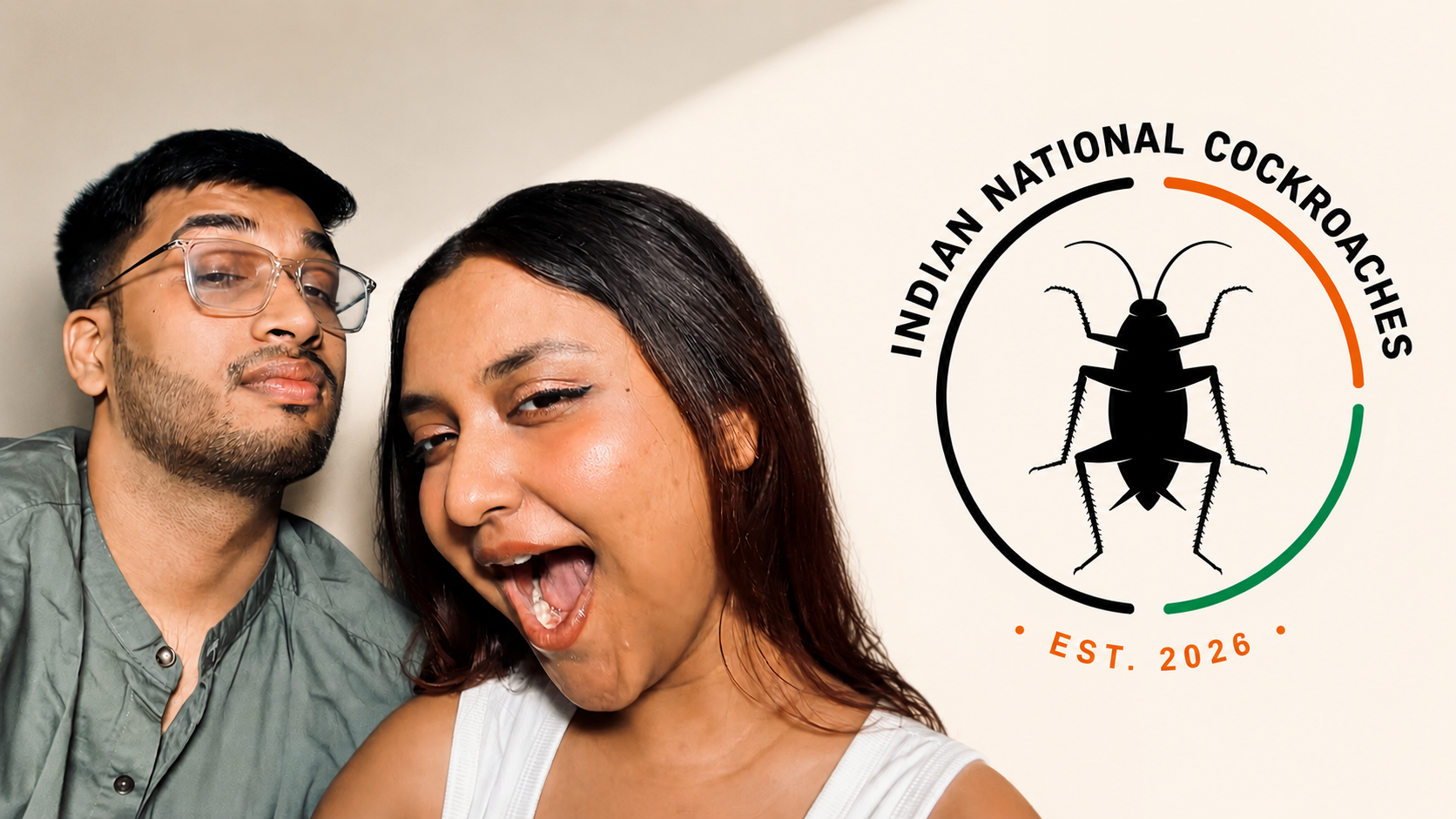
What Is the ‘Indian National Cockroaches’ Movement?
India’s internet has entered one of its strangest political meme phases yet. Days after the “Cockroach Janta Party” or CJP exploded online, influencers June and Lochan introduced a rival satirical movement called the “Indian National Cockroaches” or INC. What initially looked like another internet joke quickly turned into a much larger conversation. The conversation involved rival factions, political-style manifestos, suspended Instagram accounts, and debates around unemployment, justice, governance, and free speech.
Unlike most meme trends that disappear after a few days, this movement has continued gaining traction because many young users online see it as more than satire. Through humour, internet irony, and exaggerated political branding, creators are expressing frustrations that already existed around exam pressure, delayed justice, unemployment, and institutional distrust. Moreover, for many Gen Z audiences, this entire “cockroach politics” phase has become a strange mix of meme culture, internet activism, and digital-age protest.
You might also like: Who Is Abhijeet Dipke? Inside the Viral ‘Cockroach Janta Party’ Taking Over India’s Internet
How Did The Cockroach Politics Trend Start?
The larger controversy reportedly began after remarks linked to Surya Kant triggered backlash online. Many internet users believed unemployed youth speaking against the system were being compared to “cockroaches,” even though later clarification suggested the remarks were directed at fake degree holders entering professions like law and media.
But by then, the internet had already emotionally reacted.
Soon after, Abhijeet Dipke launched the satirical “Cockroach Janta Party,” which spread rapidly through memes, parody campaign visuals, fake manifestos, and internet humour. What made the movement resonate strongly was that beneath the absurdity, users were discussing very real frustrations. These included jobs, corruption, justice delays, and political disappointment.
The internet eventually reached a point where people were no longer sure whether the movement was still a joke, a symbolic protest, or slowly turning into something more serious.
Why Did June and Lochan Create a Rival Movement?
According to the creators themselves, they believed even satire needs opposition. In their viral launch video, June explained that while the original Cockroach Janta Party captured genuine public frustration, the conversation was slowly becoming too focused on memes. This was instead of the actual issues people were angry about.
The duo argued that students dealing with leaked exam papers, families waiting years for justice, and unemployed youth struggling with uncertainty deserved representation beyond internet humour alone. Their concern was that serious conversations were getting buried beneath virality and meme culture.
That perspective immediately connected with many users online because it shifted the discussion from simple internet entertainment toward actual social and political frustrations. These are frustrations that younger audiences are carrying.
What Does The Indian National Cockroaches Manifesto Say?
Unlike many parody internet movements, the Indian National Cockroaches introduced an actual manifesto alongside their launch.
The document included demands around judicial accountability, media transparency, women’s reservation implementation, press freedom, electoral reform, and stricter action against communal violence. The creators also criticised delays in criminal cases involving politicians. They questioned why justice processes often take years to conclude.
Several internet users were especially surprised by how detailed some demands were. Calls for mandatory press conferences without pre-submitted questions, transparency around media ownership, and restrictions on political appointments for retired judges became major online discussion points.
What initially looked absurd suddenly began sounding politically sharp enough for people to seriously debate online.
How Did Social Media React To The Rival Groups?
The internet quickly divided into different camps.
Some users felt both groups represented the same frustrations and should work together instead of splitting into rival movements. Others appreciated that June and Lochan were trying to keep the conversation balanced instead of letting everything become pure meme content.
As clips from both groups spread online, comment sections filled with people discussing: unemployment, free speech, exam systems, political accountability and internet activism.
Many users also joked that India’s meme culture had now evolved into full “cockroach politics.”
That strange balance between humour and seriousness is exactly why the trend has survived longer than most internet jokes.
Why Was The Indian National Cockroaches Account Suspended?
Just hours after the movement gained major traction online, the official Instagram page for the Indian National Cockroaches was reportedly suspended.
June and Lochan later stated that Instagram only provided a general explanation, citing community guideline violations. The creators also claimed they suspected mass reporting from supporters of the rival Cockroach Janta Party movement.
Ironically, the suspension made the movement spread even faster.
Many users online began discussing how internet movements today often face: mass reporting, platform moderation issues, and algorithmic suppression, the moment they become politically uncomfortable or highly viral. The creators later clarified that, despite being a rival movement, they were still willing to support causes they believed genuinely mattered.
Who Are June and Lochan Beyond This Viral Trend?
Before becoming part of the viral “cockroach politics” conversation, June and Lochan Maru were already known online for creating socially aware and commentary-driven content. Their digital presence has largely revolved around discussing internet culture, youth behaviour, social issues, and online trends through humour and satire. This is rather than purely chasing viral meme formats.
What makes their content stand out is the way they balance comedy with observation. Instead of creating random internet jokes with no larger context, their videos often reflect conversations younger audiences are already having online around politics, culture, public behaviour, and social frustration. Because of that, their entry into the “Indian National Cockroaches” movement did not feel completely unexpected. This was true for followers familiar with their style of content.
Many users online also felt their approach brought more structure and seriousness into a movement that was otherwise becoming heavily meme-driven. Their manifesto-style announcement, criticism of institutional issues and emphasis on accountability made the conversation feel bigger than just internet chaos. In many ways, their involvement reflects how creators today are increasingly becoming part of larger social and political discussions. This is especially true among Gen Z audiences who consume news, commentary, satire, and activism through social media itself.

From Kanyakumari To Kashmir: How 23-Year-Old Om Satija Turned A 5,000 KM Run Into A Movement For Change

How ‘Indian National Cockroaches’ Turned A Viral Meme War Into A Bigger Internet Debate

Telangana Tourism’s Big Creator Push Is Opening New Doors for Travel Storytelling

Micro-drama Review: JioHotstar Tadka’s Meerut Express Delivers Gully Cricket Emotion With Full Desi Heart

How Sahil Gupta Turned Corporate Chaos Into One Of India’s Most Relatable Creator Brands

Parle Finally Gives Melody Its Own Instagram Page After Viral ‘Melodi’ Internet Moment

Google I/O 2026 Just Changed The Internet Forever, Here’s Everything Google Announced

Who Is Rahul Yadav? The Bhojpuri Cricket Commentator Taking Over Instagram Reels

Peak Detailing By Samay Raina? Fans Spot Hidden Details In Viral India’s Got Latent BTS Photos

Spotify’s New Podcast Verification Badges Could Change How We Trust Audio Content Online

Food Pharmer’s Cannes Look That Never Walked

Parul Gulati Wears Nish Hair on the Cannes 2025 Red Carpet

Nancy Tyagi’s 700-Hour DIY Gown Turns Heads at Cannes 2025

Navya Nanda’s IIM Ahmedabad Triumph: From Controversy to Campus Joy

Influencer Kareema’s Heartwarming Journey with Suki

Prajakta Koli and Vrishank Khanal’s Wedding

Prajakta Koli’s Haldi and Cocktail Celebrations

Prajakta Koli and Vrishank Khanal’s Pre-Wedding Celebrations

Prajakta Koli x Vrishank Khanal Magical Mehendi

Milind Soman & Ankita’s Maha Kumbh 2025 Experience

The Unconventional Love Story of Geeta and Nikhil

Who’sNext Influencer Awards 2026: The Creator Wins Everyone’s Talking About

Instagram Noticed Him, He Didn’t Blink: Meet Kalu Putik, the Creator Turning Trash Into High Fashion

Aashiqui fame Rahul Roy’s Viral Reels Leave the Internet Confused

Maharashtra Din: How Creators Are Adding Their Own Reel Twist to the Celebration

Cannes 2026 Creator List: Which Indian Influencers Are Attending This Year?

How Kompal Matta Kapoor Went From Fashion Content Creator to Brew Skin Founder

Ramdoot Restores: Reviving 108 Ancient Temples in India and Rebuilding Cultural Heritage

Viral Traffic Cop Moto Vlogs: Naveen Singh’s Real Road Safety Content
