
Uncategorized
De-Influencing Trend 2026: Why ‘You Don’t Need This’ Content Is Going Viral

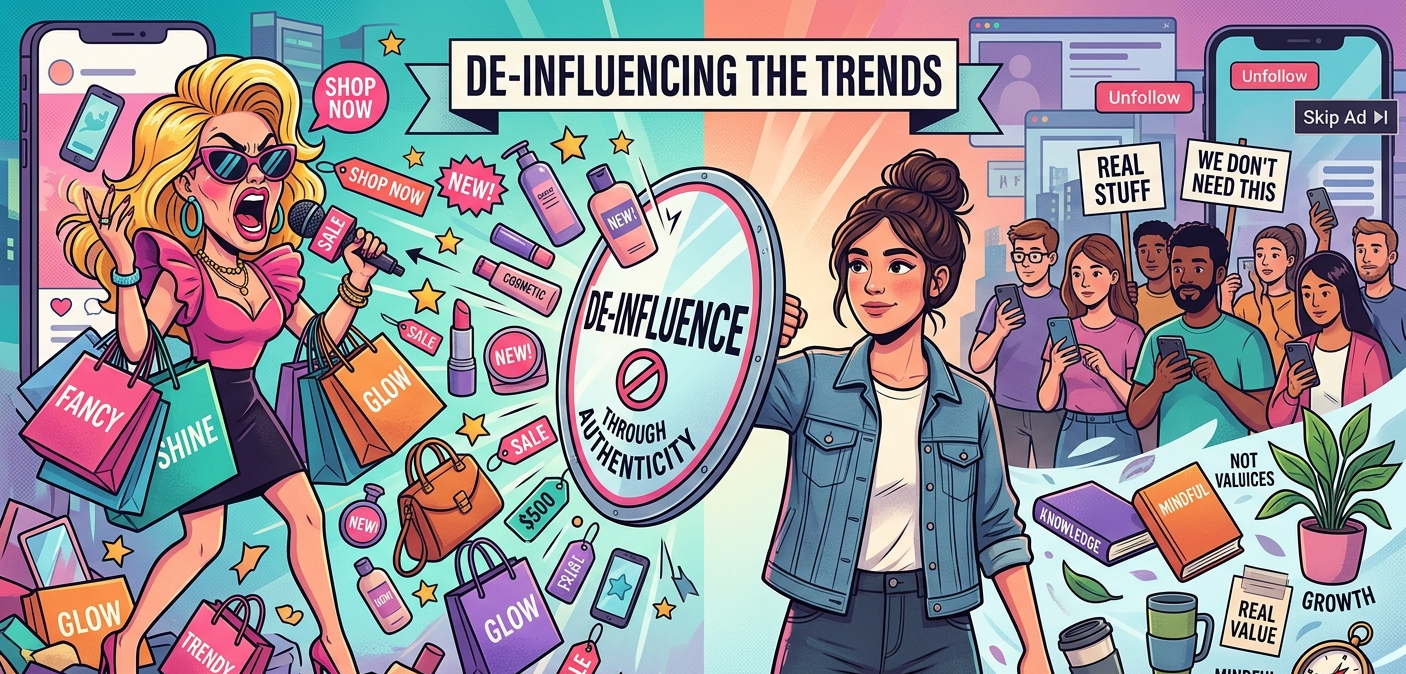
Influencers today are the ones telling you not to purchase products!
Influencer marketing has long been built on the idea that the right product can upgrade your life. But in a digital landscape saturated with ads, affiliate links, and endless recommendations, audiences are beginning to push back. Enter de-influencing: a counter-trend where creators are choosing honesty over hype to promote. What started as a niche response is quickly becoming a powerful shift in how influence itself is defined.
Why is this trend of De-influencing growing right now?
Because audiences are tired. After years of constant product pushes, discount codes, and “must-haves,” people have become more skeptical. Platforms like Instagram are filled with sponsored content, and users are starting to question what’s real and what’s paid.
Who’s Leading the De-Influencing Wave in India?
Indian creators like Shreya Jain and Malvika Sitlani are already embracing this shift, calling out overhyped products and encouraging mindful consumption. Even fashion voices like Komal Pandey and Santoshi Shetty are moving away from constant hauls to styling what you already own, signalling that de-influencing isn’t just a global trend, but one that’s taking root in India as well.
What exactly is “de-influencing”?
De-influencing is a trend where creators actively tell audiences what not to buy. Instead of hyping every new launch, they call out overhyped, overpriced, or unnecessary products. It flips the script on traditional influencer marketing ,less selling, more honesty.
Why are audiences responding so strongly to de-influencing?
Because it aligns with how people actually feel. Many consumers are becoming more mindful about spending, sustainability, and clutter. When a creator says, “You don’t need this,” it feels refreshing in a space that usually says, “You need everything.”
It also builds credibility. When creators are willing to “not sell”, audiences trust them more when they eventually do.
Is de-influencing just another trend that will fade?
The format might evolve, but the mindset is here to stay. Audiences have seen behind the curtain of influencer marketing. They now expect more transparency, and it’s hard to reverse that.
What does this mean for the future of content,and is de-influencing the new influencing?
Content is clearly shifting from polished perfection to honest perspective. The curated “perfect lifestyle” is giving way to real opinions, real budgets, and real experiences where credibility matters more than aesthetics. In that sense, de-influencing isn’t just a trend; it’s a reflection of what audiences now value. And yes, in many ways, it is the new influence because today, the strongest impact doesn’t come from telling people what to buy, but from having the credibility to tell them when not to.

Niharika Tiwari Takes Charge in Rise & Fall 2, Eliminates Shehzad Poonawalla and Irina Rudakova

Sania Mistry Deepfake Case: Maharashtra Cyber Acts Against AI-Manipulated Images

YouTube’s Gunjan Soni Says India’s Creator Economy Is Evolving Into a Global Media Powerhouse

Navratri Outfit Inspiration: Creators Who Understood the Festive Assignment

Rowhi Rai Buys Her Own House: How Northeast India’s Creators Are Building Their Own Success Stories

Ashish Chanchlani’s Perfume Business: Can Creator Brands Smell Like Success?

Lilly Singh Is Back to Sketch Comedy, and Her Characters Have Become Creators of Their Own

Anubhav Singh Bassi’s ‘Cheating’ Crossed 100 Million YouTube Views

Meet Saurav Haldar, the Indian Cricket Creator Featured at the ICC Men’s World Cup 2027 Schedule Launch

15–25% of Brand Marketing Budgets Are Moving Towards the Creator Economy

Food Pharmer’s Cannes Look That Never Walked

Parul Gulati Wears Nish Hair on the Cannes 2025 Red Carpet

Nancy Tyagi’s 700-Hour DIY Gown Turns Heads at Cannes 2025

Navya Nanda’s IIM Ahmedabad Triumph: From Controversy to Campus Joy

Influencer Kareema’s Heartwarming Journey with Suki

Prajakta Koli and Vrishank Khanal’s Wedding

Prajakta Koli’s Haldi and Cocktail Celebrations

Prajakta Koli and Vrishank Khanal’s Pre-Wedding Celebrations

Prajakta Koli x Vrishank Khanal Magical Mehendi

Milind Soman & Ankita’s Maha Kumbh 2025 Experience

Meta One Launches With Paid AI, Creator Tools And New Features Across Instagram, Facebook And WhatsApp

YouTube Shorts Changes Repost Rules: What Creators Need To Know About Original Content

YouTube Is Letting Creators See What Works for Their Competitors

Adam Mosseri Reveals Instagram Trial Reels Rule That Could Limit Your Reach

What Is Meta’s New “Muse” AI And Why Are Users Seeing It?

Roopali Agrawal aka Rockonroops Turning Family Life Into Conversations On Fashion, Freedom And Safety

Technical Guruji’s iPhone 18 Pro Max Giveaway: Nearly 100 Phones And A Big Question About The Cost

Eloelo Launches Dolphin AI: Will AI Video Tools Change The Future Of Creators And Filmmakers?

Is Orry Getting Married? Close Friends Story Sparks Questions As His Past Wedding Rumours Resurface
