
Entertainment
China Tightens Reels: Only Graduates Can Be Influencers in Health, Law, and Education
China’s new rule requires influencers to show professional proof before discussing health, law, education, or finance, sparking global free speech concerns.

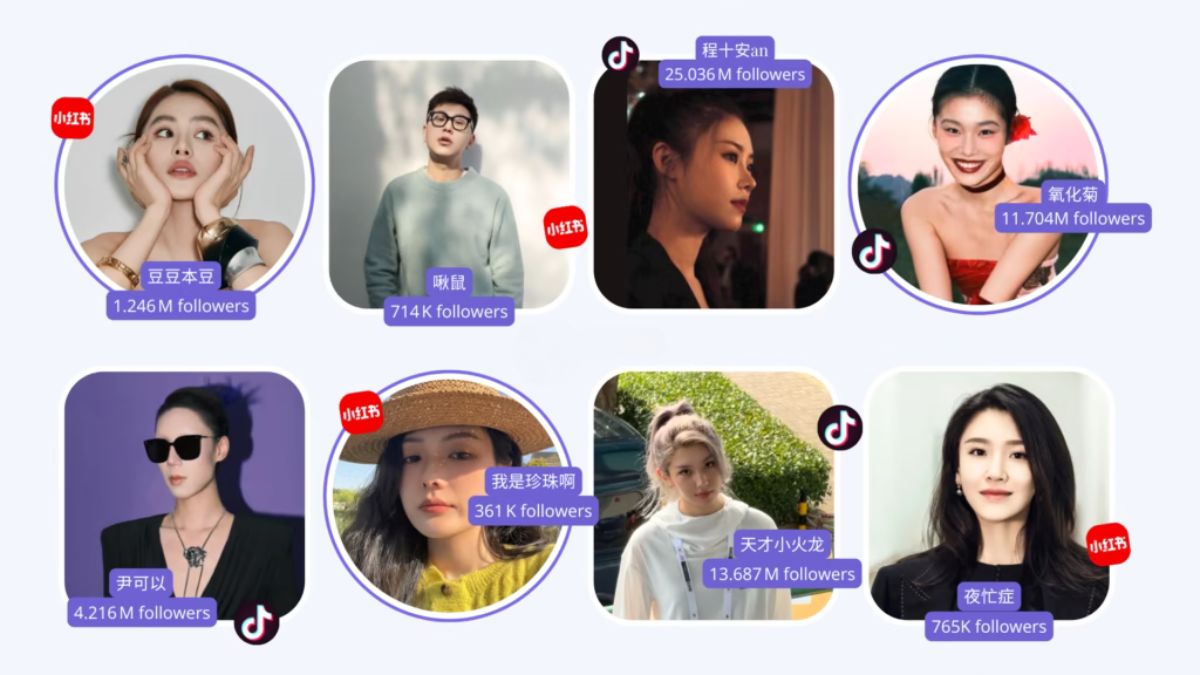
China has taken a major step in regulating its influencer economy. As per the Cyberspace Administration of China (CAC), a new law effective October 25, 2025, requires content creators to verify their professional credentials before they can post content related to health, law, education, and finance. The rule aims to curb the spread of misinformation and ensure that the information shared online is reliable and backed by expertise.
China’s New Rule: Proof and Verification Now Mandatory
Influencers will now need to submit valid proof of their degrees, licenses, or certifications before posting on these restricted subjects. Social media platforms such as Douyin, Weibo, and Bilibili will carry the responsibility of verifying these details. The CAC has also made it mandatory for creators to include citations and disclaimers when quoting research or using AI-generated content, ensuring transparency and accuracy. Additionally, the law bans advertising for medical products, supplements, and health foods, a move meant to stop disguised promotional content that often blurs the line between advice and advertising.
Authenticity or Digital Censorship?
While officials in China describe the rule as a step toward accountability and credibility, critics argue that it could be another layer of digital censorship. By restricting who can speak on certain topics, the government might gain greater control over narratives and public opinion online.
Experts have raised concerns about the vagueness of the term “expertise,” as it allows authorities to decide who qualifies as a legitimate voice. This discretion could silence independent creators or dissenting opinions, effectively narrowing the space for free discussion in digital media.
The regulation also arrives at a time when influencer-driven content often rivals traditional experts, with millions of users trusting creators for advice on health, money, and education over formal institutions. While the intent is to stop misinformation, the move also brings forward a global question: Can governments ensure truth online without restricting expression?
A Global Question of Credibility
Across the world, the rise of influencers has blurred the line between information and entertainment. Many audiences find influencers more relatable than certified professionals, especially in areas like wellness, finance, and education. However, this popularity has also led to growing risks of unverified claims and misleading advice.
China’s decision has, therefore, sparked international discussions on whether such stringent regulation could become a global norm. Supporters believe it can strengthen digital credibility, while critics fear it might stifle creativity and limit access to diverse opinions.
Also Read: Most Indian Influencers Are Breaking Disclosure Rules: What’s the Problem
India’s Influencer Rules: Emerging but Less Strict
In India, influencers already face rising scrutiny; the Advertising Standards Council of India’s update in April 2025 requires influencers giving “technical advice” in health or finance to hold proper qualifications and disclose them clearly. The Department of Consumer Affairs released additional guidelines in 2023 asking wellness influencers to make clear whether they are certified practitioners before giving advice. While India does not yet ban unqualified influencers outright in these domains, the trend is moving toward verification and transparency rather than free-for-all public commentary.
What Lies Ahead: Accountability or Control?
China’s regulation could serve as a template for other countries and India may follow a more balanced path of reform rather than restriction. Influencer-driven advice continues to grow rapidly, and both countries face similar questions about how to balance free expression with protecting public trust. In India, we are seeing reform in motion; whether it becomes tighter still or stays just more transparent will be watched closely in the months ahead.

Shantanu Deshpande Calls Out ‘Unprofessional’ Influencers

Prajakta Koli Becomes First Indian To Judge UN SDG Action Awards

Snapchat India Partners With Qoruz To Make Creator Discovery Easier For Brands

The Traitors 2 Reunion Was Full Of Kalesh, Confrontations And Long-Pending Answers

Swatantra Bhardwaj Sent to 14-Day Judicial Custody in Jantar Mantar Assault Case

Hardik Arora Teams Up With Meta for a Micro-Drama Series

Amazon Launches Creator Connections in India to Connect Creators With Brand Campaigns

Telugu YouTuber Ramana Nandana Detained at Hyderabad Airport Over Alleged UK Job Fraud

Snoop Dogg Has the Job We All Secretly Want: ₹10 Lakh A Month to Eat Ice Cream

Is Saurav Joshi Really Entering GTA VI? Here’s What We Found

Food Pharmer’s Cannes Look That Never Walked

Parul Gulati Wears Nish Hair on the Cannes 2025 Red Carpet

Nancy Tyagi’s 700-Hour DIY Gown Turns Heads at Cannes 2025

Navya Nanda’s IIM Ahmedabad Triumph: From Controversy to Campus Joy

Influencer Kareema’s Heartwarming Journey with Suki

Prajakta Koli and Vrishank Khanal’s Wedding

Prajakta Koli’s Haldi and Cocktail Celebrations

Prajakta Koli and Vrishank Khanal’s Pre-Wedding Celebrations

Prajakta Koli x Vrishank Khanal Magical Mehendi

Milind Soman & Ankita’s Maha Kumbh 2025 Experience

Could Bilibili Be the Next Creator Opportunity for Indians?

Rohit Sukheja and Kanupriya Gupta Hit 5 Billion YouTube Views

China’s Bilibili Goes Global, Taking Aim at YouTube and Gen Z

R Udhay Is Helping Creators Level Up Their Content With Editing, AI & Instagram Tips

A YouTuber Begged For A Day And Earned ₹4000. Here’s What Happened

Rebel Kid Taking Her Journey From Social Media To Columbia University

Meet RJ Parima Jain, The Former Radio Mirchi Host Building Her Own Digital Creator Journey

AI Content Creator Platform Creedom Raises ₹4.1 Crore in Seed Funding

Poonam Singh Is Turning Everyday Gen-Z Chaos Into Relatable Content
